

Problem
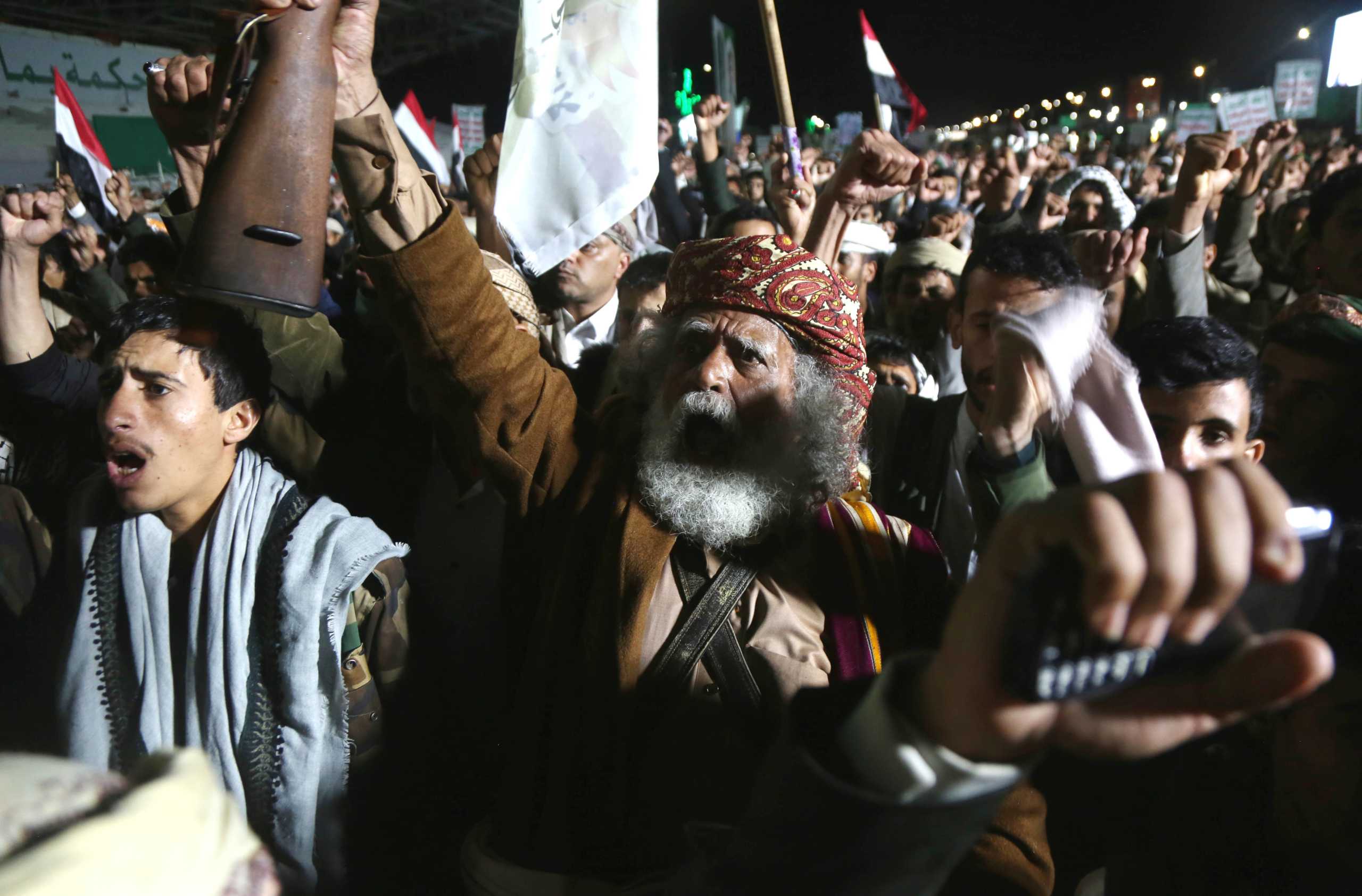
The Houthis, Yemen’s Iran-backed rebel movement, have tightened their grip on the country’s Red Sea coast. They recently seized the stretch needed to command the Bab al-Mandab, the strait that Saudi crude must pass through to reach open water since Iran’s closure of the Strait of Hormuz forced Saudi Arabia to reroute exports through the Red Sea. The Suez Canal remains open, but it is not really an alternative for the large tankers Saudi Arabia needs to reach Asia and Europe. Iraqi militias have also attacked the kingdom’s East-West pipeline, which carries 90% of current Saudi exports via the Red Sea, further squeezing oil shipments. Saudi Arabia has now cancelled crude exports to Europe, where the US-Iran war is already driving energy shortages, higher prices and a deepening cost-of-living crisis.
The Houthi move also risks wider escalation. Riyadh has already begun strikes inside Yemen and is seeking allies for a wider military campaign, with the US considering involvement in exchange for deeper Saudi support against Iran. Europeans, for whom relations with the Gulf Cooperation Council (GCC) are a strategic priority, are under pressure to support Riyadh before October’s EU-GCC summit.
What Europe should do
European leaders should increase security support to Saudi Arabia to show they are reliable strategic partners. This should include a rapid increase of resources for the EU’s regional naval missions: EUNAVFOR Atalanta and Aspides. European countries should boost these defensive missions with further capacity to protect commercial shipping and enforce the arms embargo on Yemen, for instance by providing minesweeping and counter-drone cover. In the Red Sea, Aspides should deepen its cooperation with the Saudi-led Multinational Maritime Defence Alliance.
Military action in Yemen will not solve the conflict, as a decade of similar campaigns has already failed. The Houthis, like Iran’s military, have shown they can disrupt strategic waterways through low-cost warfare. Debilitating divisions, amplified by intra-GCC rivalries, keep the anti-Houthi camp in Yemen from mounting effective opposition, which is why prospects for consolidated action against the Houthis are bleak.
European governments must push harder to end the US-Iran conflict, which is now directly interlinked with Yemen’s. They should lead a stepped-up middle-power coalition—that includes Middle Eastern countries, Pakistan and Canada—to pressure Washington and Tehran back to diplomacy. This week’s UN General Assembly offers a platform to press that case, stressing the costs afflicting all sides, including the warring parties.
Yemen’s long crisis
Yemen has been embroiled in a civil war since 2015 with Saudi Arabia backing the internationally recognised government and Iran backing the Houthis. A 2022 truce between Riyadh and the Houthis brought only fitful calm. The Houthis launched attacks in the Red Sea over the Gaza war that drew America into a brief war of its own, which ended in a ceasefire in 2025.
After US strikes on Iran began in February, the Houthis largely refrained from new attacks in support of their ally. However, this restraint is now ending likely because Iran, under growing US pressure, is trying to mobilise allies to widen the cost of the regional conflict.