Skip to content
Dwayne
  • All articles
    • Middle East
  • Saved articles
  • Source health

Sources

All sourcesAxios51Bellingcat10Brookings51CSIS10Carnegie Endowment31Chatham House-Clingendael10Council on Foreign Relations24Crisis Group10ECFR100Geopolitical Monitor10Modern War Institute50Politico-RAND20SIPRI10The Intel Lab-The Soufan Center10

All articles

Tue, 13 Oct 2026

397 articlesNewest first
Council on Foreign Relations/8 OctPreview

Are the U.S. Midterms Vulnerable to Foreign Meddling?

The Trump administration has scaled back efforts to limit foreign disinformation and misinformation in U.S. elections even as Russia, China, and Iran continue to push secret influence campaigns.

Article
CSIS/8 OctPreview

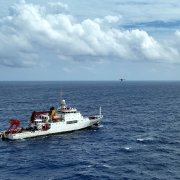
China’s Weaponization of Dual-Use Research Vessels for Undersea Data Dominance

Brookings/7 OctPreview

How state policymakers can address unequal access to adequate school facilities

Council on Foreign Relations/7 OctPreview

Who Will Be the Next UN Secretary-General?

Seven candidates are vying to succeed António Guterres as the United Nations’ tenth leader since 1946. Who are they, how are they selected, and what challenges will they face in the role?

Article
Brookings/7 OctPreview

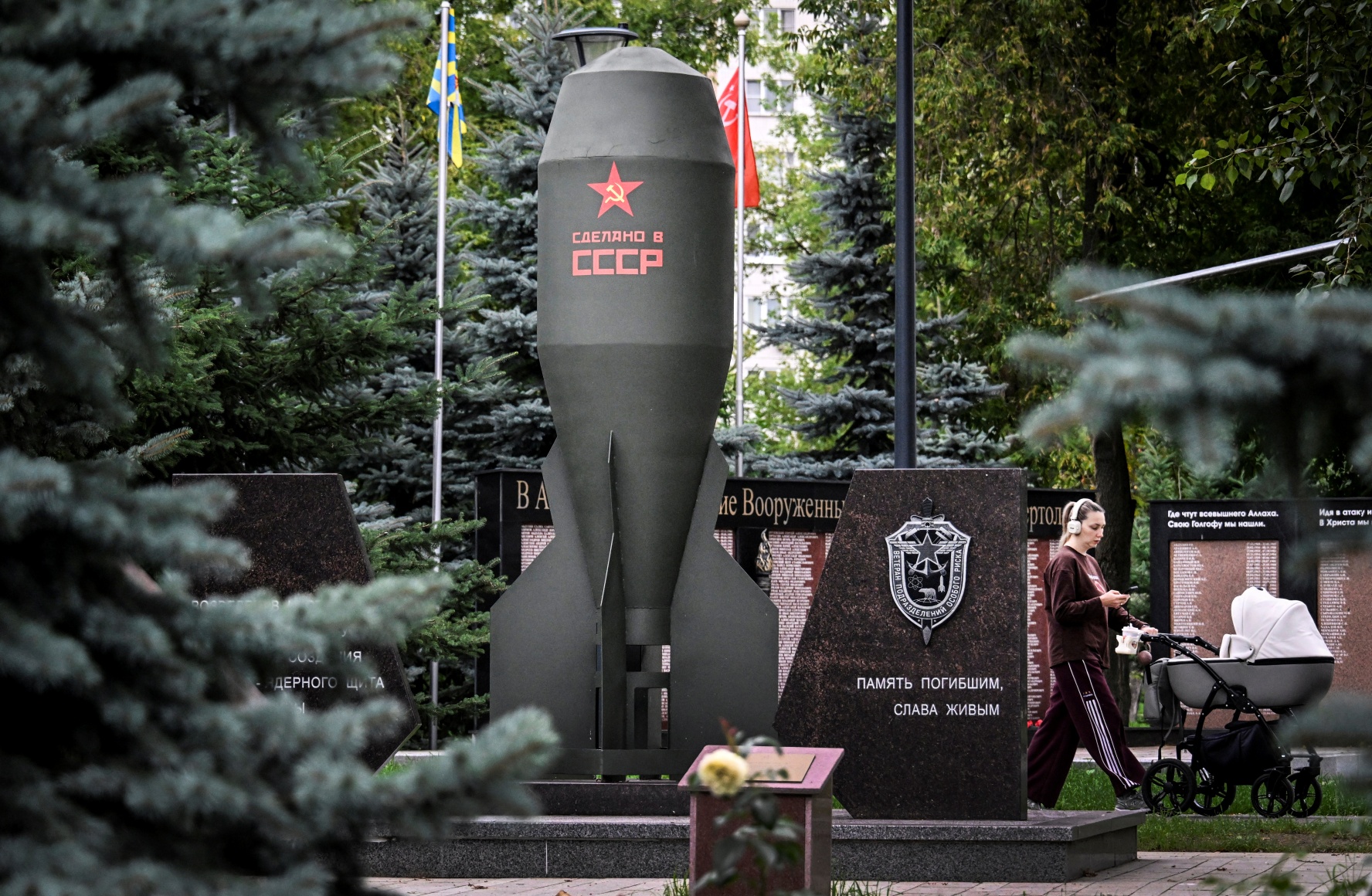
Why Putin is again rattling the nuclear saber

Council on Foreign Relations/7 OctPreview

Five Ways to Make the New AI Task Force a Success

Self-regulation of the AI industry can be effective. But ensuring safety, security, and public trust will require collaboration with major stakeholders, including the U.S. government.

Article
Carnegie Endowment/7 OctPreview

Three Years After October 7th: Costs and Consequences

Join Aaron David Miller in conversation with CSIS’s Daniel Byman, Rand’s Shira Efron, and Middle East Institute’s Jaser AbuMousa on the impact of October 7th on Israel, U.S.-Israeli relations, and the broader region, on Carnegie Connects.

Aaron David Miller, Shira Efron, Jaser AbuMousa, Daniel BymanForeign Policy, Security, Middle East, Israel, Palestine
Geopolitical Monitor/7 OctPreview

Can Joint Development Defuse South China Sea Disputes?

Joint oil and gas development could ease South China Sea tensions, on terms that protect smaller claimants. The post Can Joint Development Defuse South China Sea Disputes? appeared first on Geopolitical Monitor .

Halina Sapeha & Emmanuel Brunet-JaillyAll, International Law, Oil & Gas Exploration, PLA Navy, South China Sea Dispute, United Nations
Modern War Institute/7 OctArticle

MWI Podcast: Operation Vivaldi

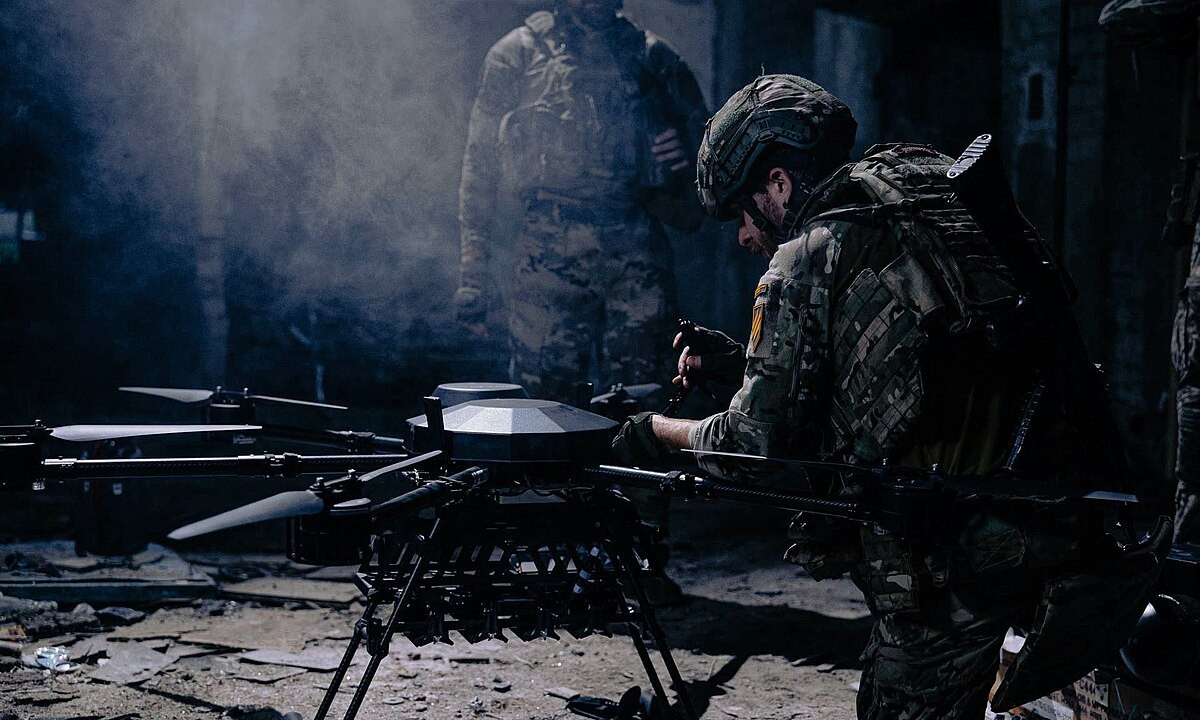
In mid-September, the commander of Ukraine’s 3rd Army Corps confirmed that his unit was in the midst of a major offensive in Donetsk Oblast: Operation Vivaldi. It was the first […]

MWI Podcast, john.amble
Geopolitical Monitor/7 OctPreview

China-Russia Cooperation in the Arctic: The Northern Sea Route

The Northern Sea Route matters less for its cargo than for what it does for Russia and China. The post China-Russia Cooperation in the Arctic: The Northern Sea Route appeared first on Geopolitical Monitor .

Tolga DemiryolAll, Featured Slider, Arctic Energy, Arctic Geopolitics, Russia Sanctions, Russia-China Relations, Supply Chains
Brookings/7 OctPreview

Tracking regulatory changes in the second Trump administration

Carnegie Endowment/7 OctPreview

Turkmenistan’s Ruling Duo Is Having a Family Feud. Will Their Regime Survive It?

Ex-president Gurbanguly Berdimuhamedov remains interested in politics, but his son Serdar, Turkmenistan’s current president, is becoming increasingly independent and willing to break with his father’s legacy. If their covert rivalry goes too far, both risk losing power.

Galiya IbragimovaPolitical Reform, Domestic Politics, Turkmenistan, Central Asia
Carnegie Endowment/7 OctPreview

The Scramble for Europe. Russia, China, and Turkey Challenging Regional Order

Europe is facing rising populism internally as well as external pressures from Russia, China, Turkey, and the United States.

Dimitar BechevSecurity, EU, Global Governance, China, Europe, Russia, Türkiye, United States
ECFR/7 OctArticle

Stable decoupling: Three tests for Europe in the face of Chinese economic coercion

Europeans should defend their rules on trade, investment and infrastructure—and, in so doing, change the logic that encourages Chinese retaliation

Angelika MarkowskaEuropean Power, China, European Union, Commentary, Tobias Gehrke
SIPRI/7 OctPreview

SIPRI experts at the 15th EUNPDC Consultative Meeting

On 15 and 18 September, SIPRI experts took part in the annual EU Non-Proliferation and Disarmament Consortium (EUNPDC) Consultative Meeting in Brussels.

SIPRI
Council on Foreign Relations/7 OctPreview

At October 7 Anniversary, Israelis Face an Election and an Unfinished Reckoning

A foiled hijacking and an approaching election have put Israel in a reflective mood three years after October 7, even as its security doctrine hardens and its international isolation grows.

Article
Carnegie Endowment/7 OctPreview

Europe’s Tide of Citizen Assemblies: Unsung Success or Anticlimax?

A notable degree of participative democracy has firmly arrived in Europe. But to have more far-reaching impact, democratic deliberation needs to move into a radically new phase.

Richard YoungsPolitical Reform, Civil Society, Democracy, EU, Europe, Western Europe
Brookings/7 OctPreview

Centering girls in practice: Ethics, methods, and shared power in research

The Soufan Center/7 OctArticle

Sinwar’s Carnage and the Domino Effect of the October 7 Hamas Terror Attacks

There is a longstanding debate in the field of terrorism studies about whether terrorism “works.” In other words, does the use of terrorism and political violence help violent extremists achieve their goals and objectives, or does it merely serve to wreak havoc? On the third anniversary of the heinous Hamas terrorist attacks of October 7, […] The post Sinwar’s Carnage and the Domino Effect of the October 7 Hamas Terror Attacks appeared first on The Soufan Center .

Gaby TejedaINTELBRIEF
CSIS/7 OctPreview

States Weekly: October 7, 2026

Previous6 of 20Next