Fixing the Army’s MDMP Fixation
General George S. Patton reminds us that a good plan, violently executed today is better than a perfect plan next week. Doctrine agrees. Field Manual 5-0, Planning and Orders Production […]
Thu, 15 Oct 2026
General George S. Patton reminds us that a good plan, violently executed today is better than a perfect plan next week. Doctrine agrees. Field Manual 5-0, Planning and Orders Production […]
Addis Ababa and Asmara are edging closer to a direct conflict, which would cause further mayhem in the troubled Horn of Africa and the Red Sea basin. It is not too late to avert disaster.
The archbishop described the planned execution of a gunman who killed 13 people on a military base as contrary to the teachings of the church.
British Prime Minister Andy Burnham told the U.K. House of Commons Monday that Iran's Revolutionary Guard was "almost certainly" behind the suspected plot to attack the RAF Fairford base where U.S. bombers were stationed. Why it matters: This was the first time the U.K. officially blamed Iran for the alleged planned attack . What he's saying: "I can confirm our assessment that it is highly likely to have been coordinated in Iran, almost certainly directed by the IRGC. We will not tolerate these threats on our soil," Burnham said. Driving the news: 10 days ago, the U.S. evacuated a dozen B-1 strategic bombers from RAF Fairford in response to intelligence indicating an Iranian drone attack. It would have been an unprecedented and brazen move by Iran against a U.S. base in Europe — with the potential to dramatically escalate the war in the Middle East. The decision to move the bombers came several days after British security forces arrested several dual British-Iranian citizens suspected of planning an attack on the base. It was unclear whether the people who were arrested were connected to the alleged planned drone attack or if they were planning a different attack. Israeli Prime Minister Benjamin Netanyahu said Israel provided the U.K. with intelligence that pointed to a threat of an Iranian attack. State of play: British Foreign Secretary Ed Miliband said Monday that the Iranian ambassador was summoned to the foreign office in London to denounce the alleged Iranian plot. The other side: The Iranian ambassador to the UK, Seyed Ali Mousavi, told IRNA that Iran "categorically
The Mecca Pact moves to collective defense, but its members will not fight the Houthis for each other. The post Houthi Strikes on Riyadh Test the Mecca Pact | Geopolitics Weekly appeared first on Geopolitical Monitor .
President Trump has privately shared misgivings about livestreaming the firing-squad execution of a former Army major who murdered 13 people at Fort Hood in Texas, according to four people who have spoken with the president. Why it matters: Trump has been deluged with "negative input" about the idea from a bipartisan chorus of lawmakers as well as advisers inside and outside of his White House, a senior administration official said. A livestream of former Army Maj. Nidal Hasan's execution on Dec. 3 "might not happen," Trump told one confidant, who doesn't work in the administration and shared the comment with Axios. "He didn't sound particularly enthusiastic" about webcasting the execution, the source said. "That's why he's calling around, doing the Trump thing, asking people what they think." Zoom in: Hasan faces a firing squad at Fort Hood, where he went on his murderous shooting rampage 17 years ago. He would be the first person in the U.S. whose execution would be livestreamed. Defense Secretary Pete Hegseth announced the norm-shattering idea Thursday on Real America's Voice. "We'll make sure that people are able to watch it — that it's public — because people need to understand that there's serious consequences for these types of things," Hegseth said. Zoom out: The idea was roundly condemned domestically and internationally . In the ensuing days, Trump started to publicly shift his positions: At first, Trump was full-throated in his support. "Absolutely, I approve," Trump told reporters early Friday evening. Later that night, Trump was more nuanced : "They want to do
The US military is set to change how it selects general and flag officers. Going forward, it will incorporate a “Joint Warfighter Evaluation (JWE)” into the selection process. Each service […]
Israel's election: What will it mean for Israeli democracy and society? 20 October 2026 — 14:00 TO 15:00 BST Anonymous (not verified) 12 October 2026 Online Ahead of a key election in Israel on the 27th October, experts assess the forces shaping the campaign and the domestic implications for both Israel and Prime Minister Netanyahu. Ahead of a key election in Israel on the 27th October, experts assess the forces shaping the campaign and the domestic implications for both Israel and Prime Minister Netanyahu. Since the formation of Benjamin Netanyahu’s coalition government, Israel’s politics, society and economy have undergone significant change. The question of national security has dominated the political agenda since the 7 October 2023 attacks by Hamas and Israel’s military offensive on Gaza. However, key domestic issues including accountability, the future of democratic institutions and the role of religion in the state are also on the ballot. The result could have lasting implications for Israel’s political system and broader social cohesion. This event discusses: What issues are shaping Israel’s election campaign? To what extent is the future of Israeli democracy on the ballot? What political scenarios could emerge after the vote? How could the result affect Israel’s economy and social cohesion? To what extent is the question of the conflict with Palestine being addressed by political candidates?
A September advance by the Iran-backed Houthi movement (Ansarallah) down the Red Sea coast has expanded the Yemen conflict, drawing several outside actors into the fighting. The Houthi seizure of territory astride the key Bab el-Mandeb Strait, through which nearly 10 percent of global trade passes, elevated the global significance of the Yemen conflict. The […] The post Outside Powers Respond to Instability in the Red Sea appeared first on The Soufan Center .
President Trump's announcement Sunday about an "energy ceasefire" between Russia and Ukraine referred to a potential deal that includes each side stopping attacks on oil refineries — and he expects Volodymyr Zelensky to abide by it, a White House official said. The official said if attacks on oil refineries cease, a deal to stop hitting power plants and energy grids could come next. Why it matters: Trump appears to be singlehandedly trying to will a partial ceasefire into existence. But for now Russia hasn't accepted any kind of ceasefire — and Ukraine wants one that forbids attacks on power plants. Reality check: The "refinery for refinery" proposal, as the official dubbed it, is lopsided. A Ukrainian official told Axios that the country has a single oil refinery which the Russians have attacked multiple times and isn't fully functional. Russia, by contrast, has a vast network of refineries. "We import diesel and gas. What we need is for the Russians to stop attacking our electricity grid," the Ukrainian official said. "The Russians are thinking about" it, the White House official said. "We will know soon if they are ready." Case in point: Hours after Trump's announcement, Russia conducted strikes on power plants in Ukraine, according to Ukrainian media. What he said: Trump's Truth Social post sounded at first like a major breakthrough. "Effective immediately, there is an ENERGY CEASEFIRE in the War between Russia and Ukraine. Both parties have agreed. Do not break it!" he wrote. It appears much more tenuous than that. Zelensky said the announced ceasefire "was news for me
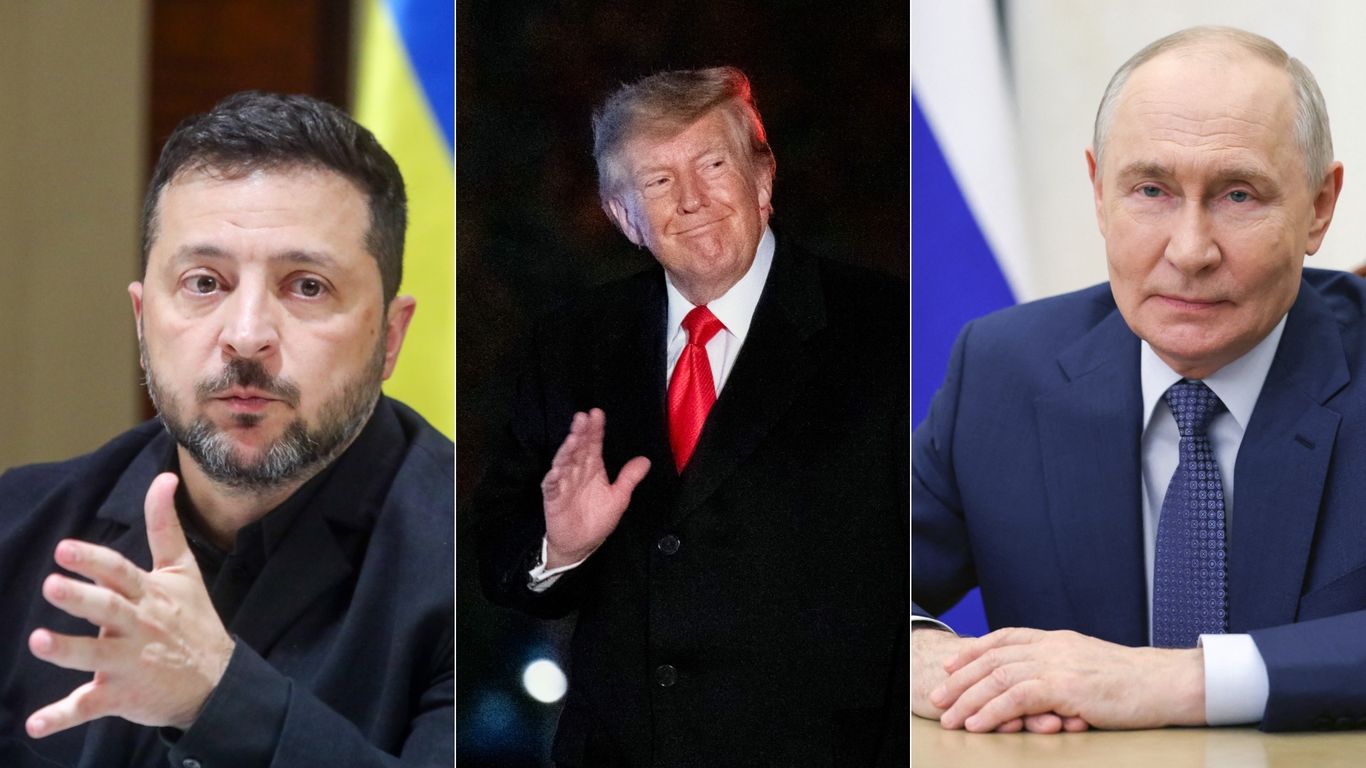
President Trump claimed Sunday that Russia and Ukraine agreed to an " energy ceasefire " and will halt attacks on each other's energy facilities. Ukrainian President Volodymyr Zelensky tells Axios the announcement "was news for me. But if Russians agree to an energy ceasefire, Ukraine will agree." Why it matters: An " energy ceasefire" would be a dramatic diplomatic breakthrough ahead of the winter. It remains unclear if Russia indeed agreed to stop the strikes. Trump made a similar announcement last month, but neither party confirmed that there was a deal. Both Russia and Ukraine continued attacking energy infrastructure. What they're saying: "Effective immediately, there is an ENERGY CEASEFIRE in the War between Russia and Ukraine. Both parties have agreed. Do not break it!" Trump wrote on Truth Social. In a short interview after Trump's announcement, Zelensky told Axios, "If President Trump negotiated it with Putin, please tell us when the ceasefire begins. We are ready, and we will accept it." Catch up quick: The announcement follows days of escalating tensions between Trump and Zelensky over Ukraine's attacks on Russian oil refineries. On Friday, Trump announced a deal to ease sanctions on Russian diesel exports in an effort to lower soaring fuel prices, infuriating Ukraine. On Saturday, Trump called for Ukraine to replace Zelensky , accusing him of refusing opportunities to end the war. Zelensky responded Sunday on ABC's "This Week," saying Ukraine would hold elections if Russia agreed to a 60-day ceasefire. He also said Ukraine was prepared to stop attacking Russian
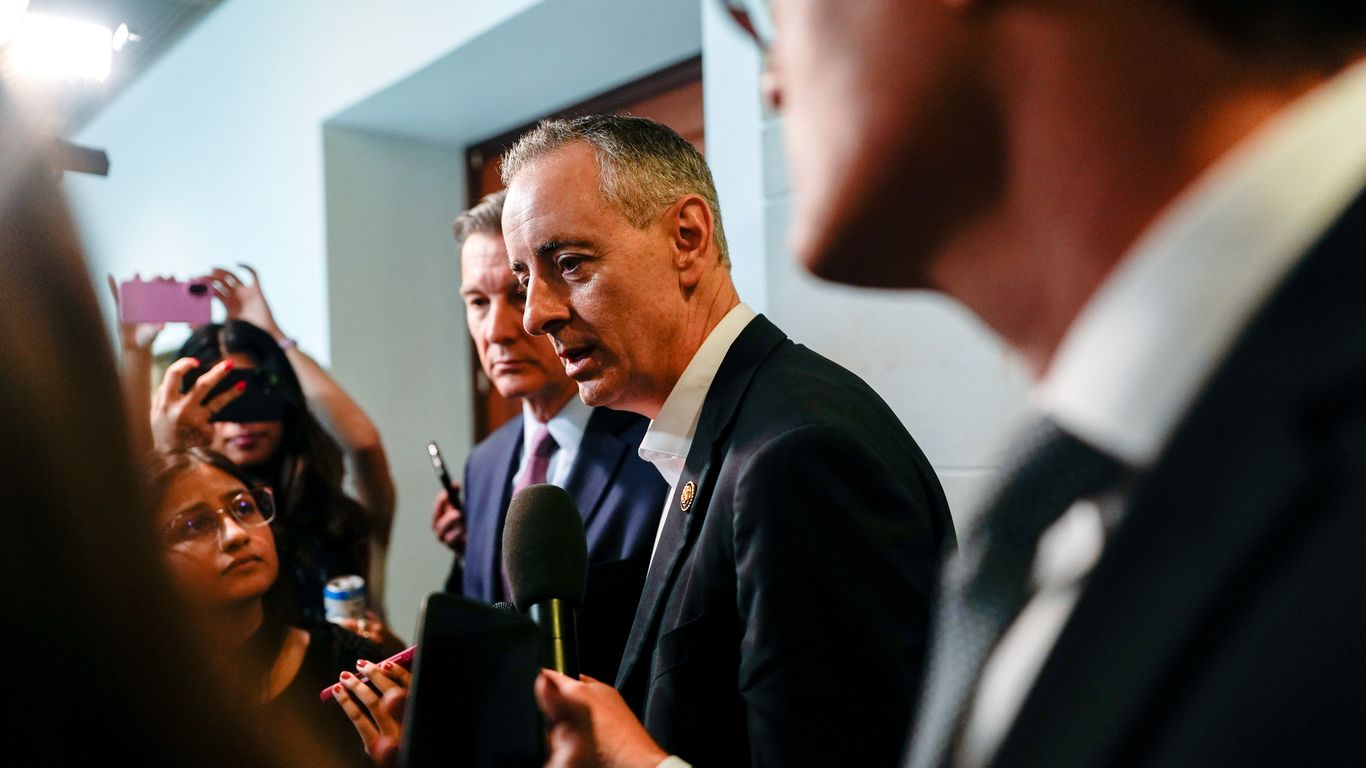
Rep. Brian Fitzpatrick (R-Pa.) vowed Saturday to force a House vote to block Russian oil purchases, challenging President Trump's diesel deal with President Vladimir Putin. Why it matters: Trump has touted the deal as a way to lower fuel prices, but it could also provide revenue for Russia's war in Ukraine. Driving the news: Fitzpatrick, co-chair of the Congressional Ukraine Caucus, said he would introduce the "Ronald Reagan Peace Through Strength Act" and force a vote through a discharge petition. "It will be forced to the Floor via discharge and it will pass overwhelmingly," Fitzpatrick wrote on X . Retiring Rep. Don Bacon (R-Neb.) tells Axios he has "already agreed" to sign the petition. Catch up quick: Trump said Friday Russia would immediately supply more than 300,000 tons of diesel to U.S. and global markets, with more shipments to follow. Energy analysts are skeptical the additional diesel will meaningfully lower prices. Ukrainian President Volodymyr Zelensky called the deal "not fair and not honest," telling Axios it amounted to a gift to Putin. Trump called Saturday for Ukraine to replace Zelensky with a leader willing to reach a deal with Russia. The White House has not yet responded to Axios' request for comment about Fitzpatrick's bill. The big picture: Fitzpatrick is the latest Republican lawmaker to break with Trump in a high-profile way, as the party fights to keep control of Congress amid mounting disapproval of the president. Zoom out: Fitzpatrick is turning to a tactic lawmakers have increasingly used to bypass Speaker Mike Johnson (R-La.): a discharge pet
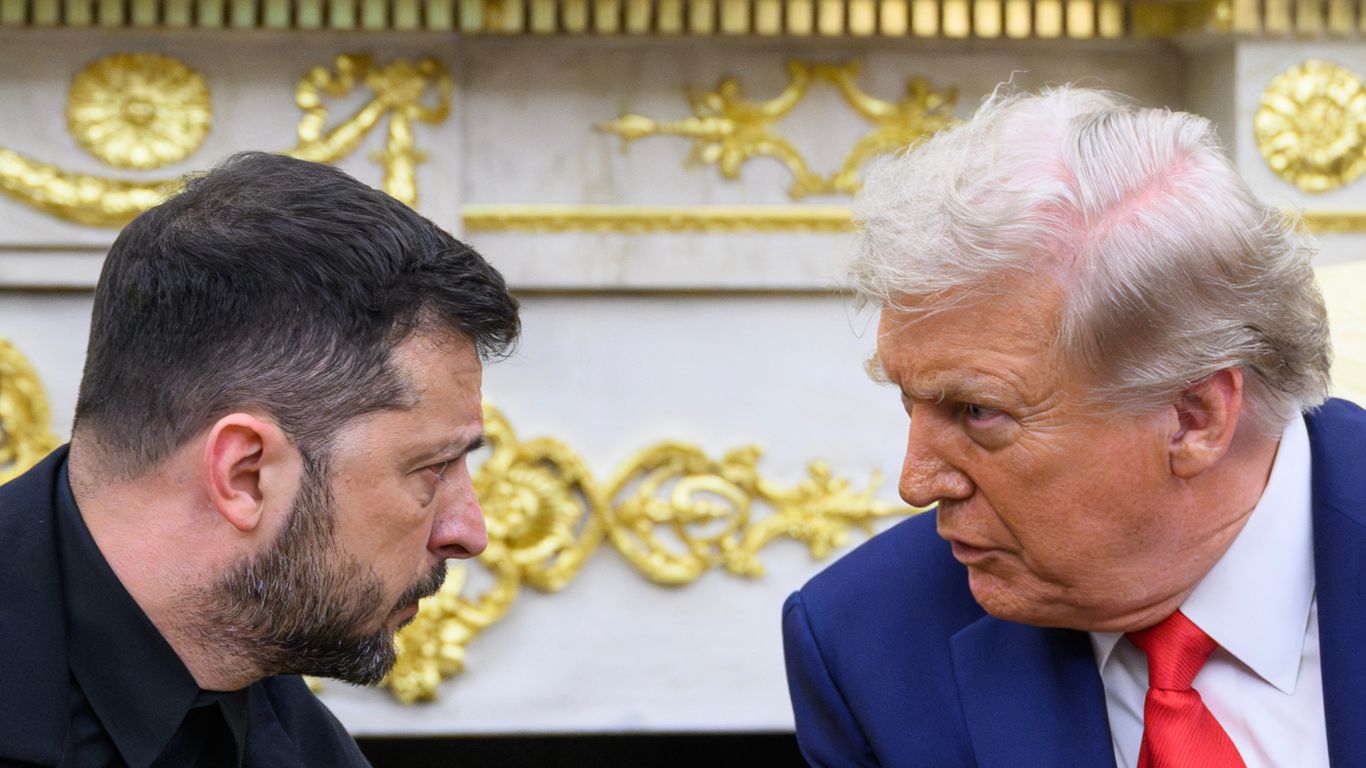
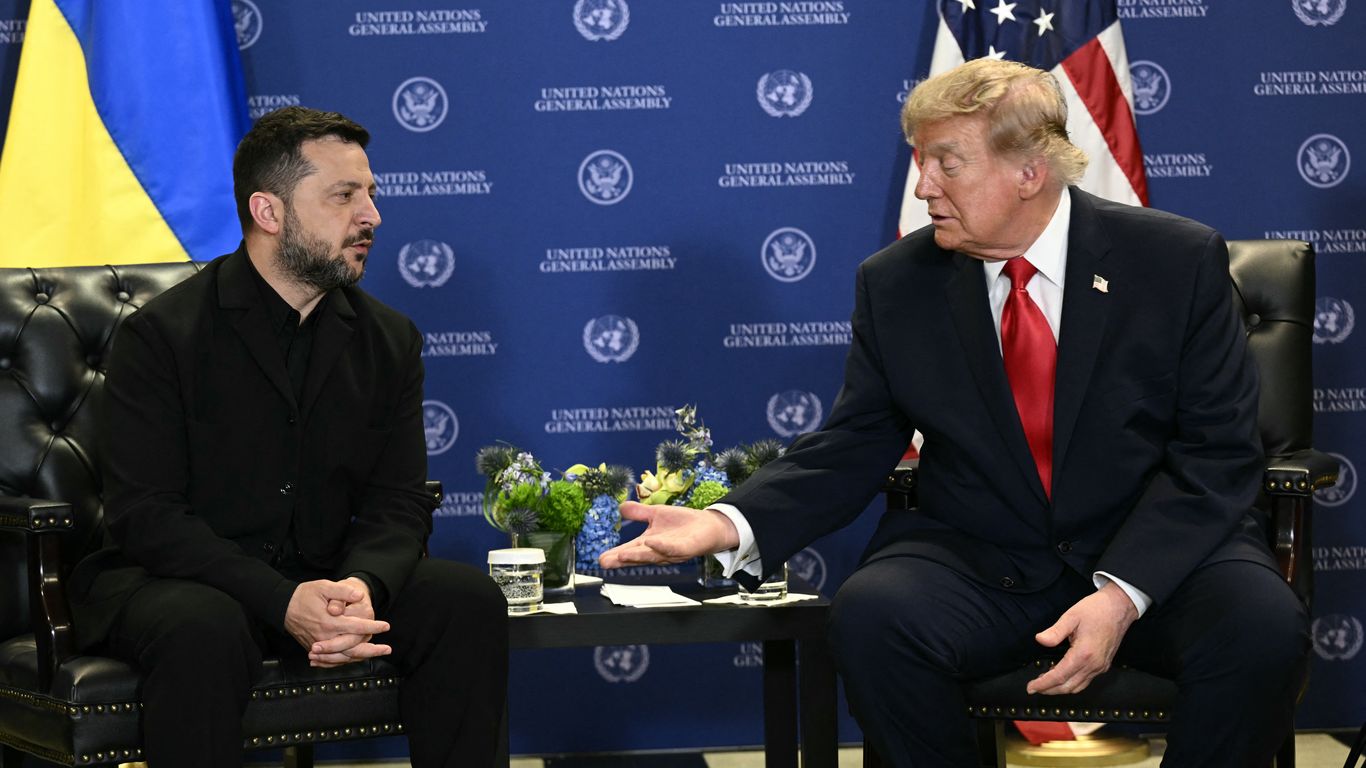
President Trump called Saturday for Ukraine to replace President Volodymyr Zelensky with someone willing to make a deal with Russia to end the war. Why it matters: Trump's attack on Zelensky came after the Ukrainian president criticized his diesel deal with Russia and signals the most serious crisis between the two leaders since their February 2025 meeting exploded in front of cameras. Driving the news: Trump announced Friday he had reached a deal with Russia to lift sanctions to allow Russian diesel exports to the U.S. and the global energy market. Zelensky, who was surprised by the deal made behind Ukraine's back, attacked the move and told Axios it was "not fair and not honest" and was a "sign of weakness" by Trump and a "birthday gift" to Putin. A U.S. official told Axios later that Trump struck the diesel fuel deal after Zelensky ignored half a dozen U.S. requests to stop attacking Russian oil refineries. What he is saying: Trump said Zelensky could have reached a deal with Russia many times "but chooses not to." "I suggest they get a new leader who can make a deal," Trump told reporters Saturday. "… And I think it's time for Ukraine to get a new president." He said he asked Zelensky to stop attacking Russian oil refineries and claimed Zelensky's actions harmed American farmers. "He better damn well stop," Trump said.
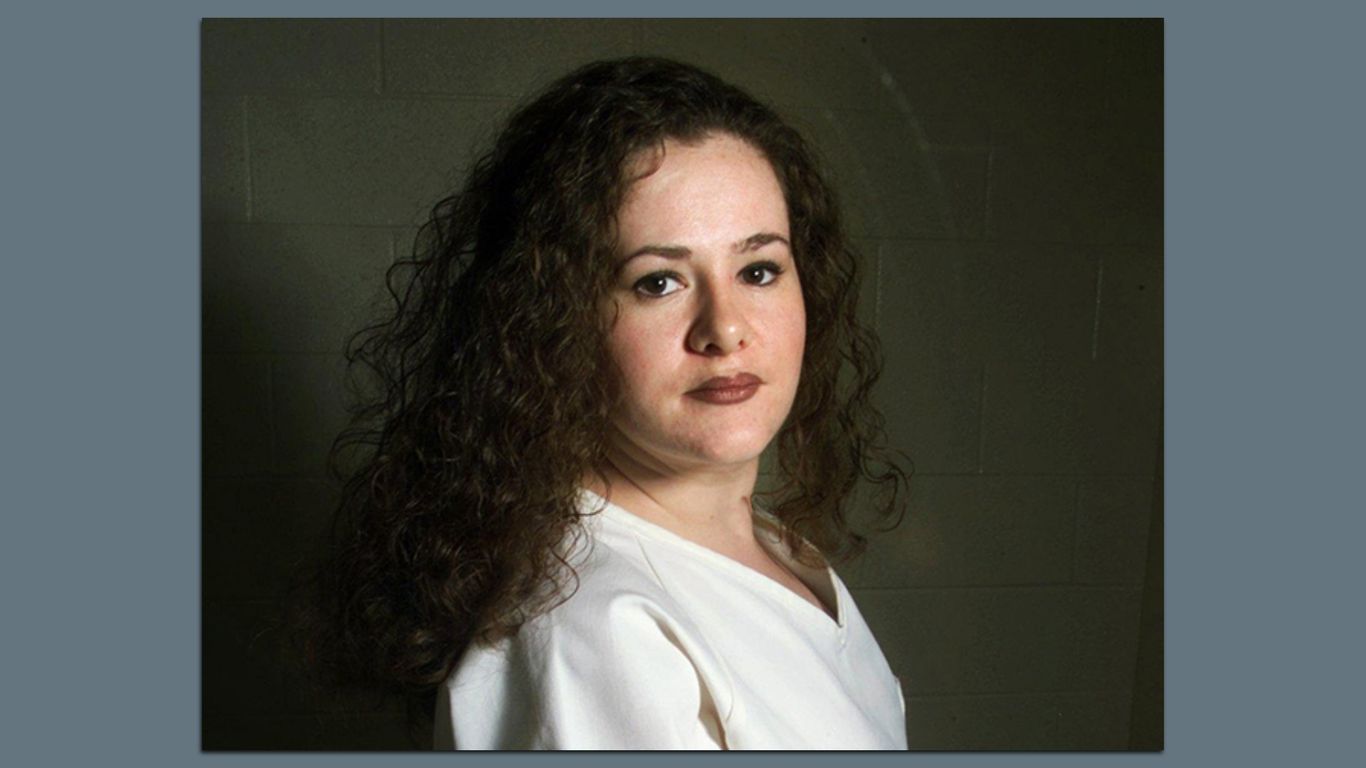
Tennessee inmate Christa Pike was released from the hospital and is back in prison more than a week after she survived the state's attempt to execute her by lethal injection , her attorneys said Saturday. The big picture: The failed execution was unprecedented. Pike, 50, got two doses of the deadly drug pentobarbital on Sept. 30 and was still breathing. The state called an ambulance and Pike got life-saving care at a local hospital. Pike's attorneys said they believed she was "brain dead" and on life support. It shocked them and her doctors when she woke up and began talking earlier this week . What they're saying: Pike's attorneys said she had returned to Debra K. Johnson Rehabilitation Center, where she had been housed for decades. "She is grateful to the first responders and her medical team for their care in these extraordinary circumstances," the attorneys said in a statement. "She is continuing to receive medical care at the prison, and we will continue to track her recovery." Catch up quick: Gov. Bill Lee ordered an independent review to determine how Pike was able to survive the attempted lethal injection. Another execution set for December was called off while that investigation plays out. Pike was sentenced to death for the 1995 murder of 19-year-old Colleen Slemmer.
Defense Secretary Pete Hegseth's announcement that the Fort Hood shooter's execution will be livestreamed reflects a shift toward putting raw, real-world violence on display for unlimited audiences. Why it matters: The Trump administration has made a show of flexing American power, sometimes with grisly footage. Now, it's preparing to make the government's ultimate punishment available for all to see. The big picture: Americans are increasingly encountering shocking images on their phones, often without warning. Graphic footage of Charlie Kirk's assassination spread widely across social media, searing in the brains of social media users — often young ones. Since Oct. 7, 2023, footage from the Hamas attacks and Israel's military campaign in Gaza has circulated online. Some videos have spread from Telegram to social platforms like X , where clips are easy to find. Footage of the August 2025 killing of Ukrainian refugee Iryna Zarutska on a Charlotte train went viral across X, stirring debate about crime and public safety. President Trump later said he had watched the video and wished he hadn't. A livestream of Nidal Hasan's execution would be the first known public broadcast of a lawful execution, according to death penalty experts interviewed by Reuters. Public executions are increasingly rare worldwide. In recent years, most have taken place in Iran and Taliban-run Afghanistan, according to Amnesty International. Friction point: Tech companies are now facing the question of whether they would allow the Pentagon to livestream the execution on their platforms. Hasan, who kille
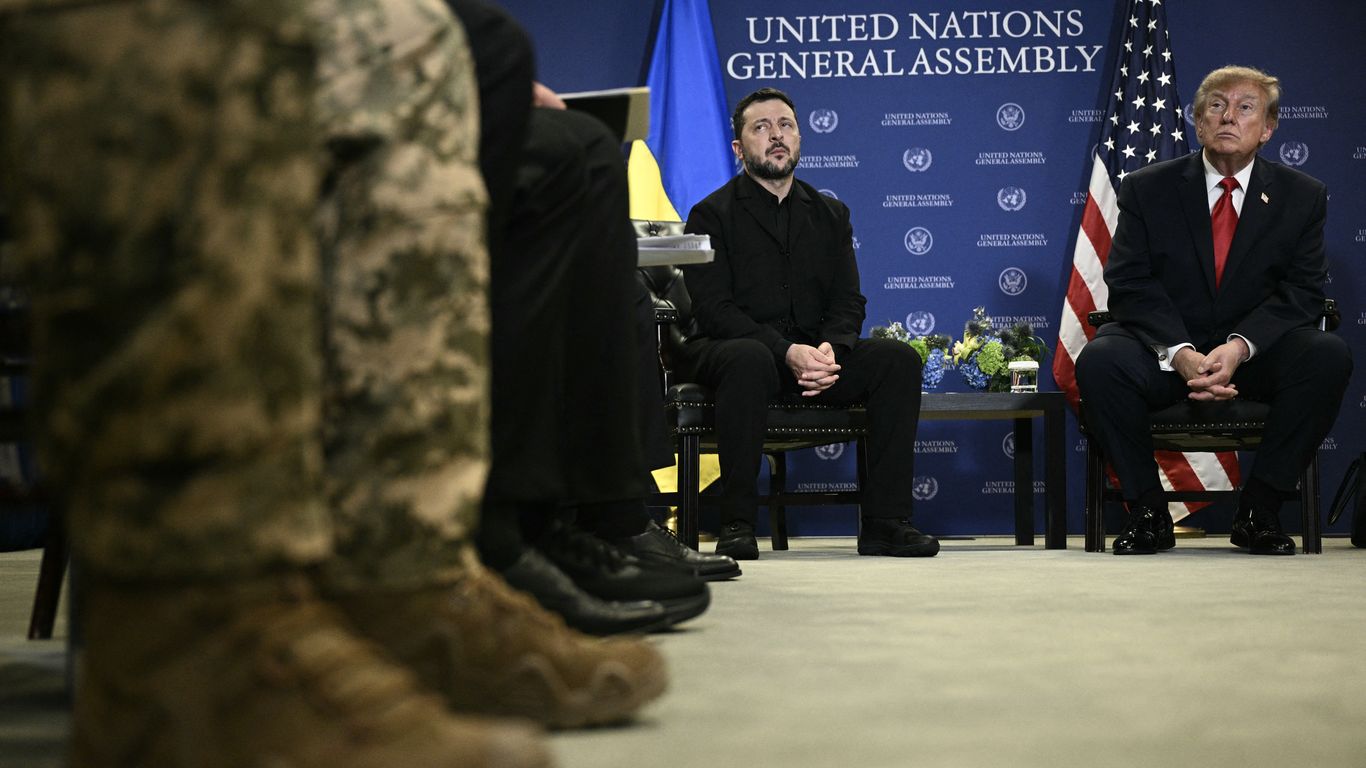
President Trump decided to make a diesel fuel deal with Russia after Ukrainian President Volodymyr Zelensky ignored half a dozen U.S. requests to stop attacking Russian oil refineries, a U.S. official with direct knowledge told Axios. Why it matters: Trump's deal with Russian President Vladimir Putin sparked a new crisis with Ukraine and threatens to derail a new push by the Trump administration for a deal to end the war. "Zelensky is misreading the room. By continuing to hit refineries, he is eroding the good will that he has built with Trump over the last six months," the U.S. official said. Zelensky, in an interview with Axios after the announcement, said he was blindsided by the deal, which he called "not fair and not honest" and an unwarranted gift to Putin. Driving the news: Ukraine's strikes on Russian oil refineries in recent months were highly effective and caused an energy crisis in Russia. Russia imposed a ban on diesel exports in response, which added more pressure to global diesel markets under strain from the war in Iran. Zelensky told Trump and his envoys Steve Witkoff and Jared Kushner that he was prepared to stop attacking Russian oil refineries if the Russians halted attacks on Ukrainian power plants. The U.S. official said Trump wanted Ukraine to unilaterally stop attacking Russian refineries because the strikes were contributing to high gas prices in America. Trump didn't see the attacks on refineries as equivalent to Russian strikes on Ukraine's power grid, the U.S. official said. Inside the room: During eight hours of talks in Miami on Friday, Witkoff
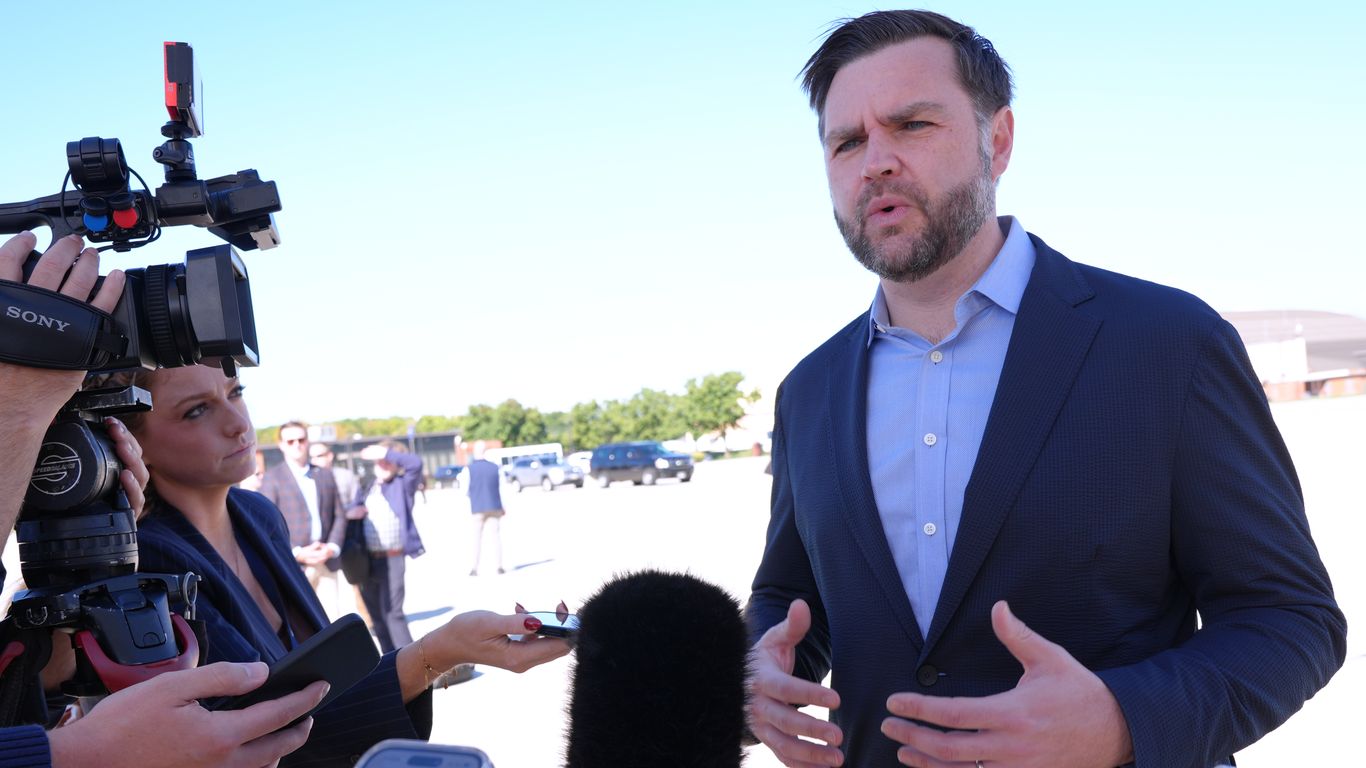
Vice President JD Vance said Friday he won't watch a potential livestream of the convicted Fort Hood shooter's execution, which President Trump told reporters he had approved. Why it matters: Vance questioned whether the execution would actually be public but joined a small chorus of Republicans opposed to watching the execution, which is set to be conducted by a firing squad in December. What they're saying: "Whatever the controversy is about the method of the execution, I hope that people don't forget that this is a guy who brutally murdered a lot of innocent people," Vance told reporters on Friday. "Now that said, I mean, look, if it's all through livestream, I'm not going to be watching it." Yes, but: Trump's comments came during a separate press gaggle on Friday, where he was asked if he had authorized or approved the livestream of the execution. "Did I approve? Absolutely, I approve." Driving the news: Defense Secretary Pete Hegseth said in an interview Thursday that Americans would be able to watch the execution of Nidal Hasan, who was convicted of killing 13 people in the 2009 shooting. "We'll make sure that people are able to watch it. ... People need to understand that there's serious consequences for these types of things," he said. AP later reported that the execution would be livestreamed. If it goes forward, Hasan's execution will be the first public one in 90 years, and the first military execution since 1961. Zoom in: Sen. Thom Tillis (R-N.C.) condemned plans to make the execution public in a Thursday night X post . "Hasan should face the death penalty, but
European countries have been too slow and too reactive in response to escalating Russian attacks. They need a coordinated playbook.
CFR President Michael Froman analyzes Europe’s changing posture toward China and Russia, and how that mirrors what the U.S. approach used to be.