Addis Ababa and Asmara are edging closer to a direct conflict, which would cause further mayhem in the troubled Horn of Africa and the Red Sea basin. It is not too late to avert disaster.
A September advance by the Iran-backed Houthi movement (Ansarallah) down the Red Sea coast has expanded the Yemen conflict, drawing several outside actors into the fighting. The Houthi seizure of territory astride the key Bab el-Mandeb Strait, through which nearly 10 percent of global trade passes, elevated the global significance of the Yemen conflict. The […] The post Outside Powers Respond to Instability in the Red Sea appeared first on The Soufan Center .
In this episode of Hold Your Fire! , Richard is joined by Crisis Group’s Horn of Africa director, Alan Boswell, to discuss the fighting in Ethiopia’s Tigray region, the risk of direct war between Ethiopia and Eritrea and what may prevent further escalation.
Ethiopia's new war in Tigray now runs through three disputes: the Nile, the Red Sea, and Sudan's war. The post Upstream Battle: Ethiopia’s Civil War Draws in Regional Rivalries appeared first on Geopolitical Monitor .
Arman SidhuAll, Featured Slider, Ethiopia, Grand Ethiopian Renaissance Dam, Sudan Civil War
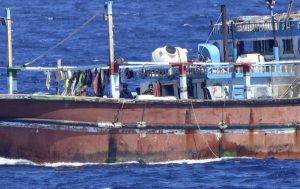
Somali piracy has resurged in 2026 and now forms one of the many active threats to international shipping, according to International Maritime Organization data. Piracy off the Horn of Africa in 2026 is at its highest level since 2013, with 25 incidents recorded by mid-September, according to a tally by the European Union Naval Force […] The post Second-Order Effects from Hell: A Resurgence in Somali Piracy appeared first on The Soufan Center .
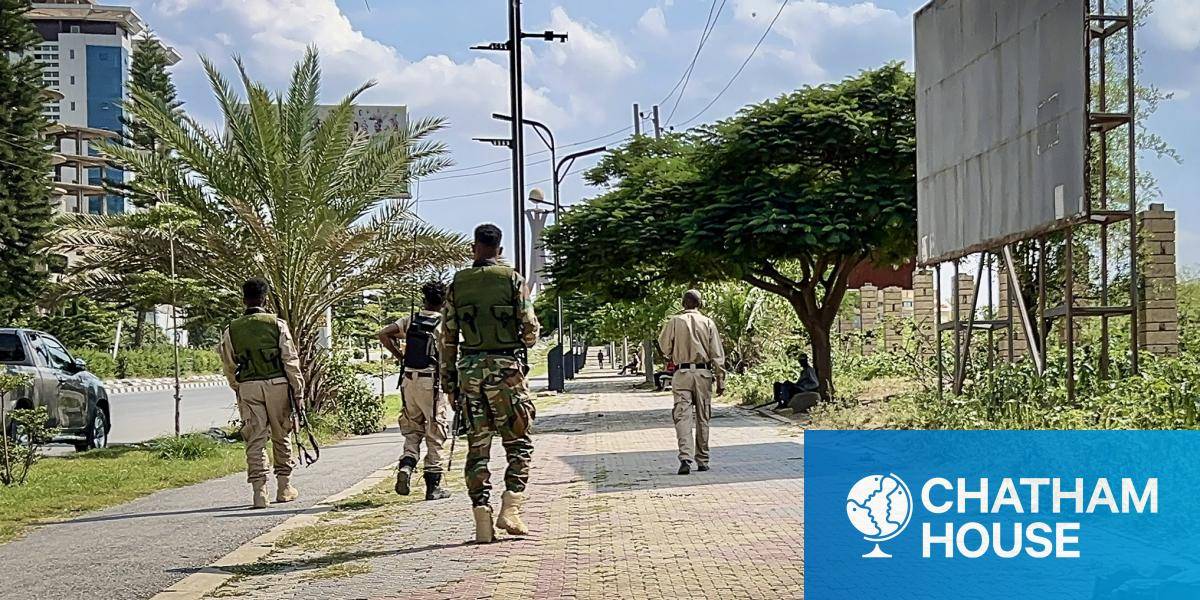
War has returned to Tigray. This time it may not stay in Ethiopia Expert comment LToremark 1 October 2026 As fighting escalates in Tigray and neighbouring areas, there are fears that Ethiopia’s internal instability could spill over into the wider Horn of Africa region. Conflict returned to Ethiopia’s northern region of Tigray on 23 September, as the Tigray People’s Liberation Front (TPLF) forces stormed three national airports in Tigray. In what the TPLF claimed was defensive combat , ground offensives were also expanded along Tigray’s southern and eastern borders with the neighbouring Amhara and Afar regions. The TPLF and its allies captured parts of Afar but lost several key areas in southern Tigray, including Alamata town. Ethiopia’s federal government forces and the allied Tigray Peace Force (TPF) are now advancing towards Mekelle, the capital of Tigray. Meanwhile, reports of drone strikes in Addis Ababa and on government-controlled airbases alters the nature of the war. Although Tigray has seen conflict before, this time there is a risk that hostilities could extend into Eritrea and Sudan. The slow creep towards renewed conflict Related work Ethiopia needs more than an election to calm internal and regional conflict The risk of renewed hostilities in Tigray had been clear for some time, given the steady decline in relations between the federal government and the TPLF. The failure to build on the Pretoria Agreement – the ceasefire deal that brought an end to the war in 2022 – was largely the result of a continued zero-sum approach by both sides, as well as weak implemen
In this episode of The Horn , Alan speaks with Yousra Elbagir, Sky News’s Africa correspondent, about her reporting from inside Sudan’s war, including around El Obeid and El Fasher, how Sudanese are surviving the war and how the war could end.
Renewed fighting in northern Ethiopia has left the Pretoria Peace Agreement, the November 2022 deal that ended the brutal civil war between the federal government and the Tigray People’s Liberation Front (TPLF), in tatters. The two-year civil war left 600,000 dead and was considered one of the world’s most lethal conflicts. The TPLF and Ethiopian […] The post Ethiopia’s Renewed War Could Engulf the Broader Region appeared first on The Soufan Center .
This week on Hold Your Fire! , Richard speaks with Crisis Group’s Africa director Murithi Mutiga about renewed fighting in northern Ethiopia, how the conflict could unfold, the risks of regional escalation and whether diplomacy can still stop the slide into all-out war.
Crisis Group expert Daniel Akech examines how President Kiir’s call for fresh elections aims to weaken his opponents, and may pave the way to worsening armed conflict
What can DRC’s national dialogue achieve? Expert comment jon.wallace 24 September 2026 President Tshisekedi and the opposition both want national dialogue. But it remains to be seen whether they can agree on the nature of the DRC’s problems, let alone their solutions. When President of the Democratic Republic of the Congo (DRC) Félix Tshisekedi finally announced a ‘national dialogue’ on 27 August, he evoked the country’s long history of previous negotiations. Too often, he said, they had been about elite power sharing, had not meaningfully included the Congolese people, and had legitimized armed insurrection. This time will be different, he promised. Tshisekedi appealed directly to the Congolese people by proposing a series of public consultations in all 26 provinces, culminating in a convention in Kinshasa. Unlike previous dialogues, this process has a more ambitious aim. It not only seeks to address the causes of insecurity and inequality in DRC and identify reforms. It also seeks to reconstruct or re-found the state. The opposition immediately denounced the project. The C64, a coalition made up of opposition heavyweights including Moïse Katumbi, Martin Fayulu, Delly Sesanga and Jean-Marc Kabund, rejected Tshisekedi’s proposal . So too did the ‘Sauvons le Congo’ platform created by exiled former president Joseph Kabila. Tshisekedi’s plan, they claim, is intended above all to legitimize his attempt to change the constitution, possibly allowing the president to extend his rule beyond his two-term limit, which ends in 2028. They point to a controversial bill that would pave
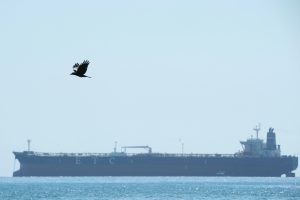
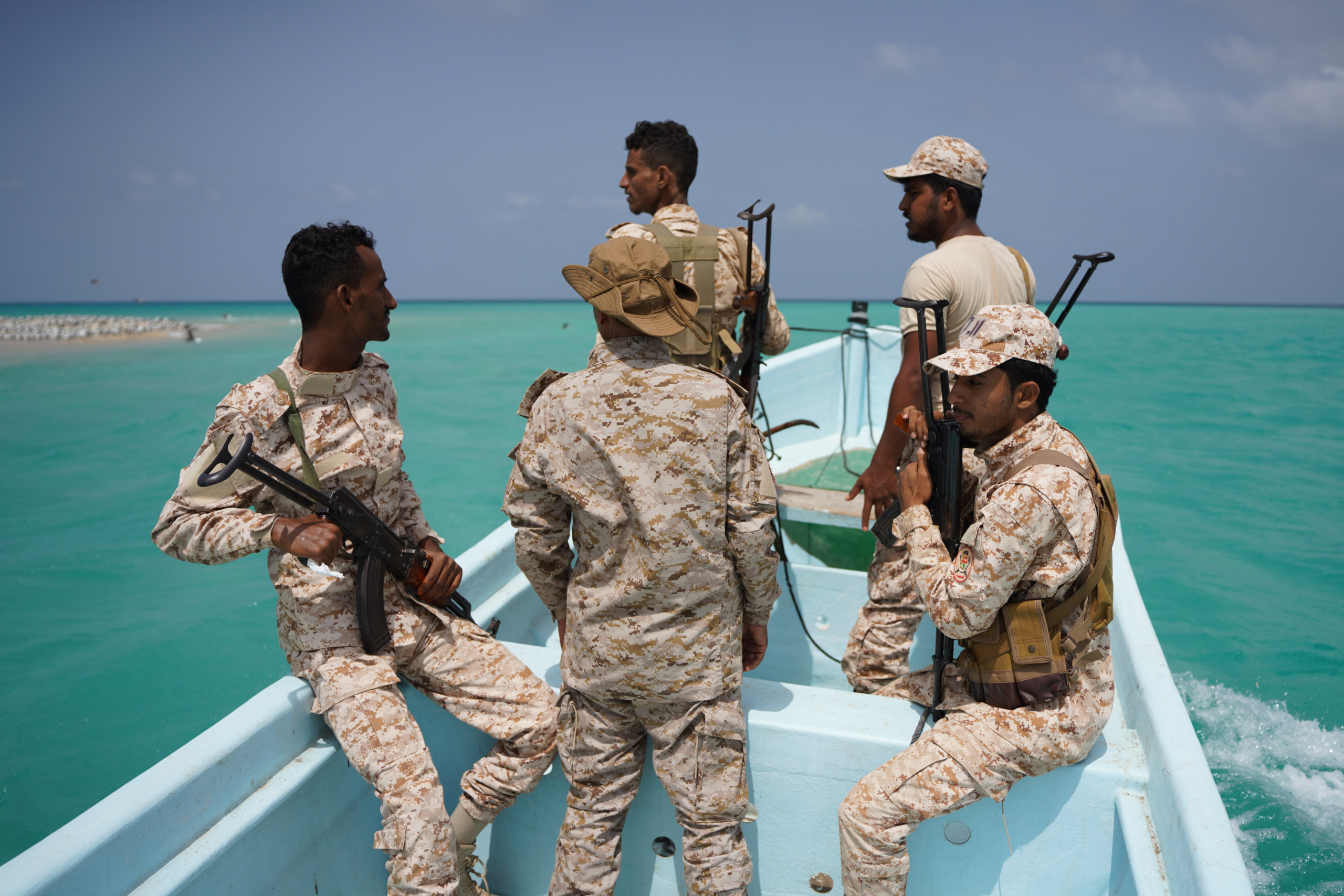
The Red Sea is becoming more dangerous, and not only because of the Houthis. Conflicts in the Horn of Africa are converging and drawing in external powers, creating new threats to a maritime corridor vital to global trade.
ECFR CommsAfrica, The Gulf, Commentary, Corrado Čok