A U.S. Air Force reconnaissance flight photographed evidence that the Soviet Union was installing nuclear-armed ballistic missiles in Cuba, touching off the Cuban Missile Crisis.
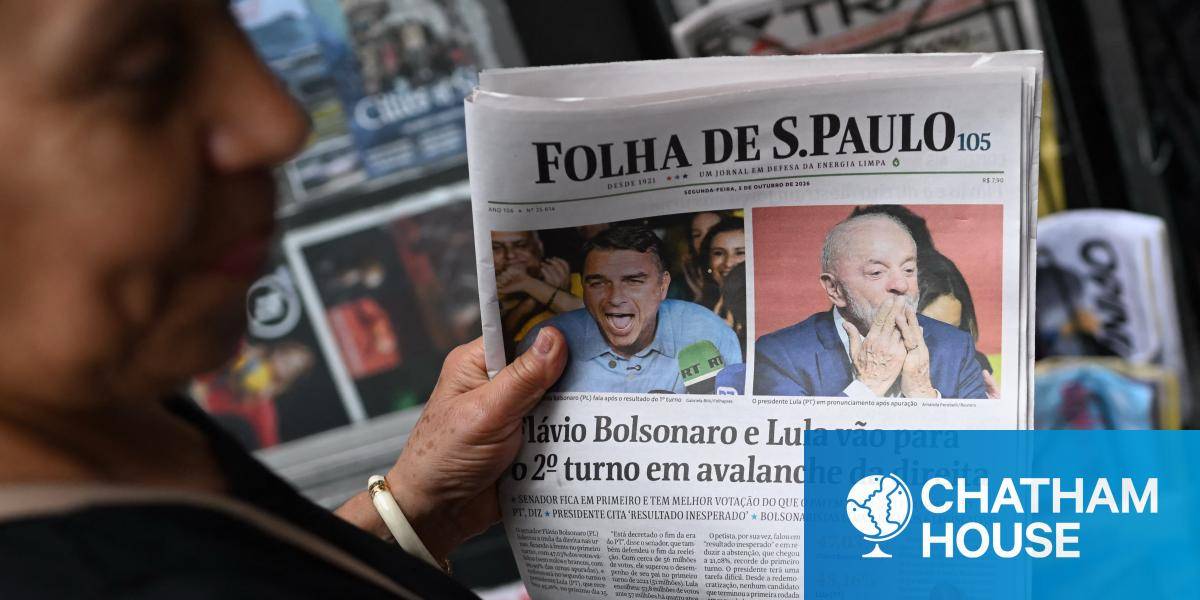
Europe, Brazil and beyond: Is the populist wave gathering momentum? Audio sseth.drupal@c… 9 October 2026 In this week’s episode of Independent Thinking, our experts discuss the expected shift to the right in Spain, France, Germany and Brazil’s upcoming elections. The rightward movement in democracies in Europe and beyond shows little sign of slowing. Germany has elected its first far-right regional government in Saxony-Anhalt. In France, voter anger with Emmanuel Macron puts the Rassemblement National’s Marine Le Pen in pole position for the presidency. In Spain, Pedro Sánchez called a snap election in an attempt to mobilise the beleaguered left around Spain’s housing crisis. And Flávio Bolsonaro’s success in the first round of Brazil’s presidential elections suggests a second round of anti-woke, pro-Trump bolsonarismo is on the cards. What is driving politics to the populist right? And what does it mean for global security, stability and efforts to preserve what’s left of the rules-based order? Bronwen Maddox is joined by Grégoire Roos, director of our Europe and Russia and Eurasia Programmes; Nic Lawley, special adviser to the director of Chatham House; and Dr Christopher Sabatini, director of our Latin America Programme. About Independent Thinking Independent Thinking is a weekly international affairs podcast hosted by our director Bronwen Maddox, in conversation with leading policymakers, journalists and Chatham House experts providing insight on the latest international issues. More ways to listen: Apple Podcasts and Spotify . Explore our other Chatham House podcasts .
On Our Radar scans conflicts and crises around the globe every week and features some of the hotspots Crisis Group’s analysts are closely watching. Whether an under-reported trend or a headline-grabbing development, our field experts explain why it matters or what should be done.
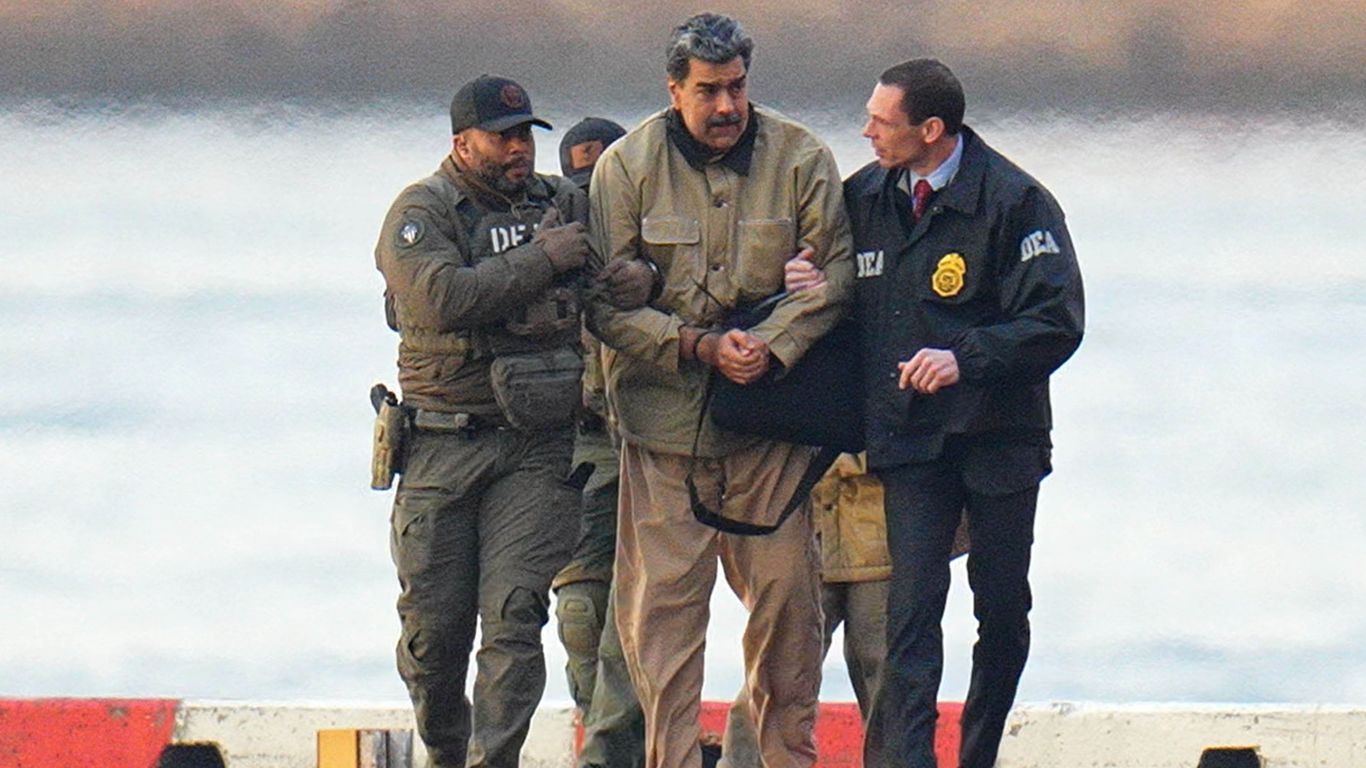
Prosecutors accused former Venezuelan President Nicolás Maduro and his wife of orchestrating the torture of people held in his regime's custody, piling onto the narcoterrorism charges they already face in a fresh indictment unveiled Thursday. The big picture: The charges add new fuel to the historic prosecution seeking to hold the strongman-turned-prisoner accountable for alleged crimes against Americans and alleged abuse of power. Maduro and his wife, Cilia Flores, pleaded not guilty in January to drug- and weapon-related charges. They have been held in the U.S. since their stunning capture from Caracas earlier this year. Maduro's attorney did not immediately respond to Axios' request for comment. Driving the news: Maduro "authorized the use of torture against specific individuals and oversaw a system designed to use torture, arbitrary detention, and violence as a means of repression against the political opposition," a superseding indictment filed in the Southern District of New York alleged. The new indictment charges Maduro and Flores with conspiracy to commit torture, alleging they engaged in a conspiracy to inflict "severe physical and mental pain and suffering to repress and punish political opposition." What's inside: The indictment outlines a series of disturbing torture tactics — including electrocution, beatings, isolation and simulated drowning — allegedly employed at Maduro's direction to quell political opposition. "As opposition to the ruling regime intensified," Maduro allegedly "continued to oversee the development of a more systematic approach to unlawfull
Seven candidates are vying to succeed António Guterres as the United Nations’ tenth leader since 1946. Who are they, how are they selected, and what challenges will they face in the role?
Brazil’s Amazon rainforest is at risk if Bolsonaro wins – but its low-carbon economy is here to stay Expert comment LToremark 7 October 2026 If Flávio Bolsonaro wins Brazil’s presidential run-off, he will likely roll back Lula’s deforestation regulations. But the country’s low-carbon transition will be harder to reverse. The outcome of the first round of Brazil’s presidential election has put President Luiz Inácio Lula da Silva and his main challenger Flávio Bolsonaro – son of former president Jair Bolsonaro – into a run-off at the end of October. The result itself is not surprising. But Bolsonaro’s stronger-than-expected advantage over Lula and the consolidation of a right-leaning Congress – particularly the Senate – is. If Bolsonaro becomes president, Brazil will join the right-wing wave sweeping across Latin America. Related work Brazil’s presidential election is more than just another polarized contest This shift to the right will impact Brazil’s climate transition plans. A Bolsonaro presidency backed by a sympathetic Congress will have considerable power to weaken existing environmental protections. But that does not mean that Brazil’s entire climate transition would go into reverse. Brazil’s climate agenda is often presented as a contest between environmental protection and economic development. The reality is more complicated. The important question is which parts of Brazil’s climate policy a president can change, which require congressional support, and where trade, investment and private-sector interests constrain political choices. Brazil’s president has considera
On 24 September, SIPRI, the United Nations Office for Disarmament Affairs, the Permanent Mission of Mexico to the UN, the Open Society Foundations and the Inter-Parliamentary Union (IPU) organized a side event during UN General Assembly High-level Week 2026 in New York.
Latin America’s largest democracy will hold a runoff presidential election on October 25. Experts say the result could reshape Brazil’s regional and international relations.
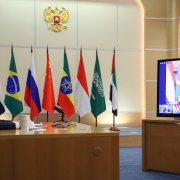
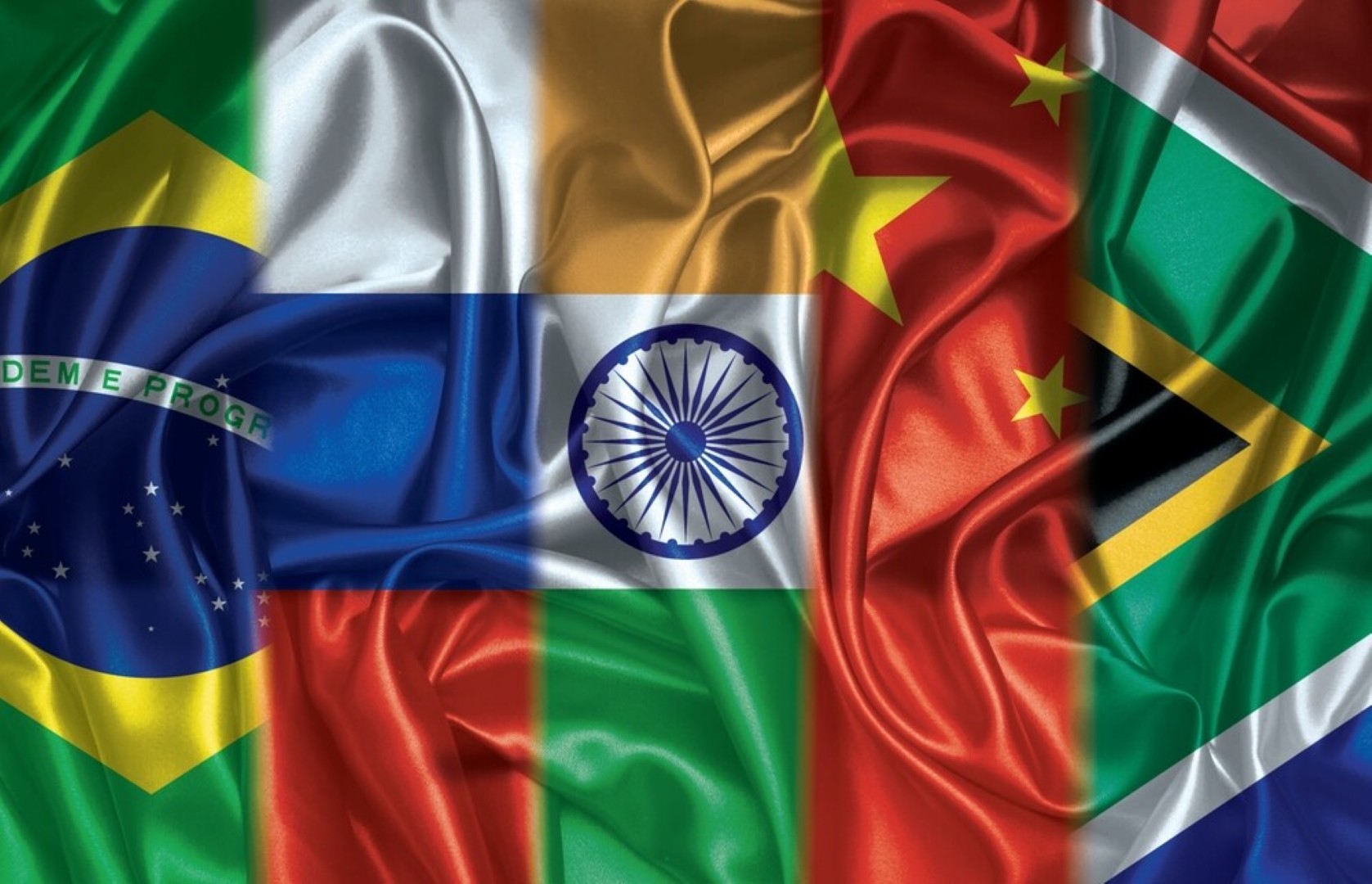
What does Brazil's 2026 election mean for its foreign policy and democracy? 22 October 2026 — 17:00 TO 18:00 BST Anonymous (not verified) 28 September 2026 Online Brazil’s 2026 election pits competing visions of democracy, economic policy, security and foreign policy against deep voter distrust. Experts unpack the results of Brazil’s 4 October election and discuss what Brazil’s election mean for democracy, foreign policy, climate change, multilateralism and geopolitics. Experts unpack the results so far, and discuss what they mean for democracy, foreign policy, climate change, multilateralism and geopolitics. At stake are the future of relations with Washington and Beijing, support for the BRICS and other multilateral organizations, and the response to domestic insecurity. This event discusses: Which issues and voter concerns are shaping Brazil’s 2026 election? How could the result affect trust in elections and democratic institutions? What do divisions over foreign policy – including climate change and the BRICS – mean for Brazil’s foreign policy? How could relations with the US and China change after the election? What would the result mean for economic policy, trade and investor confidence?
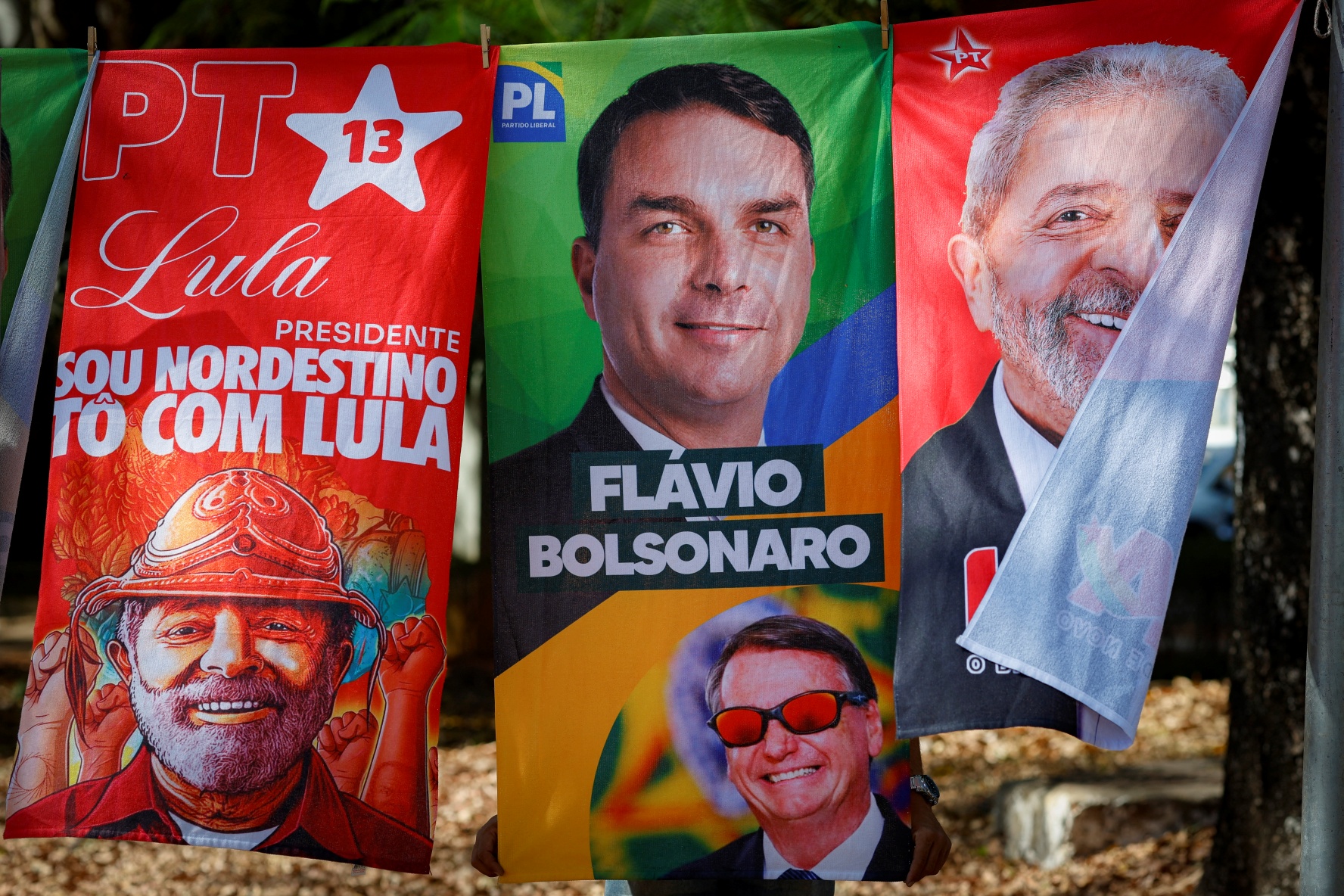
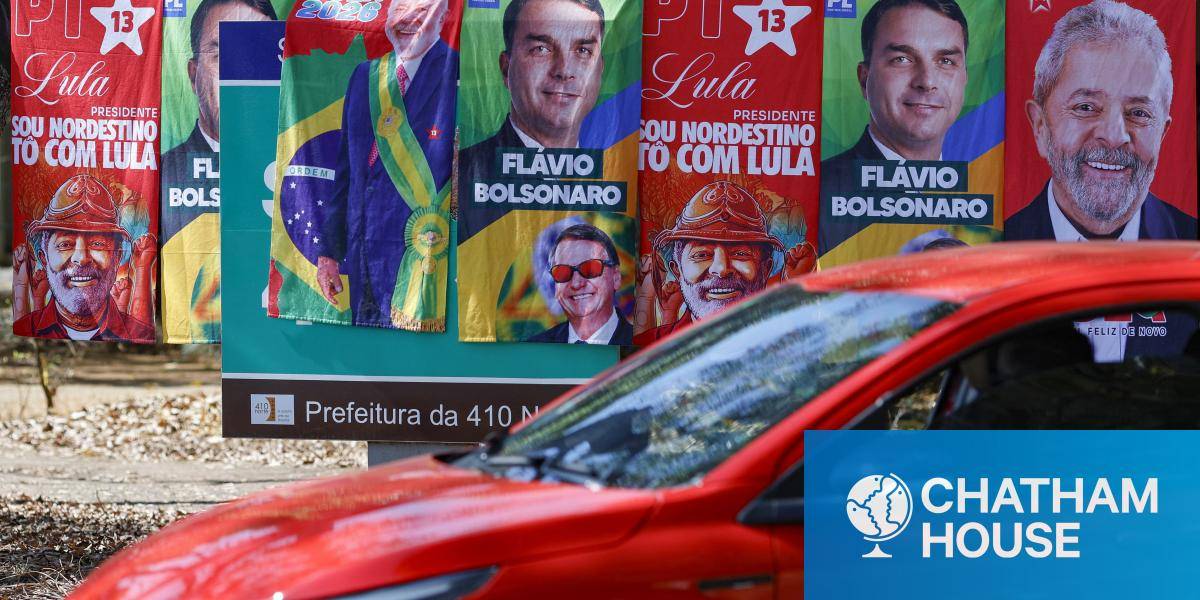
Brazil’s presidential election is more than just another polarized contest Expert comment jon.wallace 28 September 2026 A Bolsonaro victory would mean Trump-aligned governments dominate South America. The first round of Brazil’s presidential election is scheduled for 4 October, with 13 candidates competing to occupy the Brazilian presidential palace, Planalto. For now, the contest is dominated by two men. Only a few percentage points (depending on the poll) separate 80-year-old President Luiz Inácio Lula da Silva of the Workers’ Party (PT) – running for his fourth term – and 45-year-old Flávio Bolsonaro of the right-wing Liberal Party (PL). Flávio is the son of the man Lula defeated in 2022, former president Jair Bolsonaro (2019–23), sometimes referred to as the ‘Trump of the tropics’. Lula squeaked out a narrow victory in the 2022 contest, of 50.9 to 49.1 percent in the second round, after public opinion surveys had seriously undercounted the support of his right-wing rival. Jair Bolsonaro is currently serving time for plotting a coup , after his supporters rioted in Brasilia in 2023 in an effort to overturn the 2022 results. This year’s contest is more than a familial grudge match. For one, it looks a lot like recent presidential elections in the region. In June, elections in both Peru and Colombia went to a second round. Each resulted in a narrow victory for conservative candidates who, like the Bolsonaros, are aligned with the regional diplomatic agenda of US President Donald Trump. Another tight contest now looms in Brazil, the most populous country and largest democra
As American leadership wanes, middle powers are stitching a patchwork order through new approaches to conflict mediation, connectivity and development. Although these formats are fragmented and opportunistic, Europe should engage with them pragmatically.
Martin TenevEuropean Power, Human Rights and Democracy, Reorder, China, Europe, Global order, US Foreign Policy, Anthony Dworkin, Jana Puglierin, Rafael Loss, Policy Brief
Trump’s foreign and security policy is the product of factional competition in the White House and a president fixated on short-term wins. Here’s how Europeans should come to terms with this new reality
Martin TenevUnited States, US Foreign Policy, Majda Ruge, Policy Brief