Behind the curve: Britain’s defence investment plan in Trump’s world
The new defence investment plan is weighed down by the habits of Britain’s defence establishment. By contrast, the British public appear readier to accept change.
Thu, 15 Oct 2026
The new defence investment plan is weighed down by the habits of Britain’s defence establishment. By contrast, the British public appear readier to accept change.
A nuclear deterrent does not preclude major war. Putin has learnt this lesson—now Europe needs to do the same.
Ten years on from the referendum, the British electorate has moved on from its old divisions and—in a world of crisis—is embracing an ambitious move back towards the European Union
Russia is expanding its nuclear-capable, long-range weapon systems to press Europe and fracture NATO. Europeans need to plug the gaps in their nuclear capabilities and create a strategic deterrent that can function without US support
The next Trump crisis will come. European governments facing American pressure will need to weigh the costs and benefits of their responses. Here are two scenarios to show what resistance costs, and why those costs are lower than they appear
A major ECFR poll finds the European public, in a time of rupture, thinking differently and questioning old assumptions. It reveals new political space available to their leaders (for now) and challenges them to use it
The Russian threat is not going away any time soon. To defend themselves without America’s help, Europeans need to pursue a new, distinctly European model of defence and deterrence
Europeans must urgently implement a “fast energy” programme to speed up access to energy to power AI—and remain competitive in the world.
Europe’s defensive measures to shield its democracies from hybrid attacks are no longer enough. If Europeans want to protect their peace and prosperity, the time has come for them to fight back
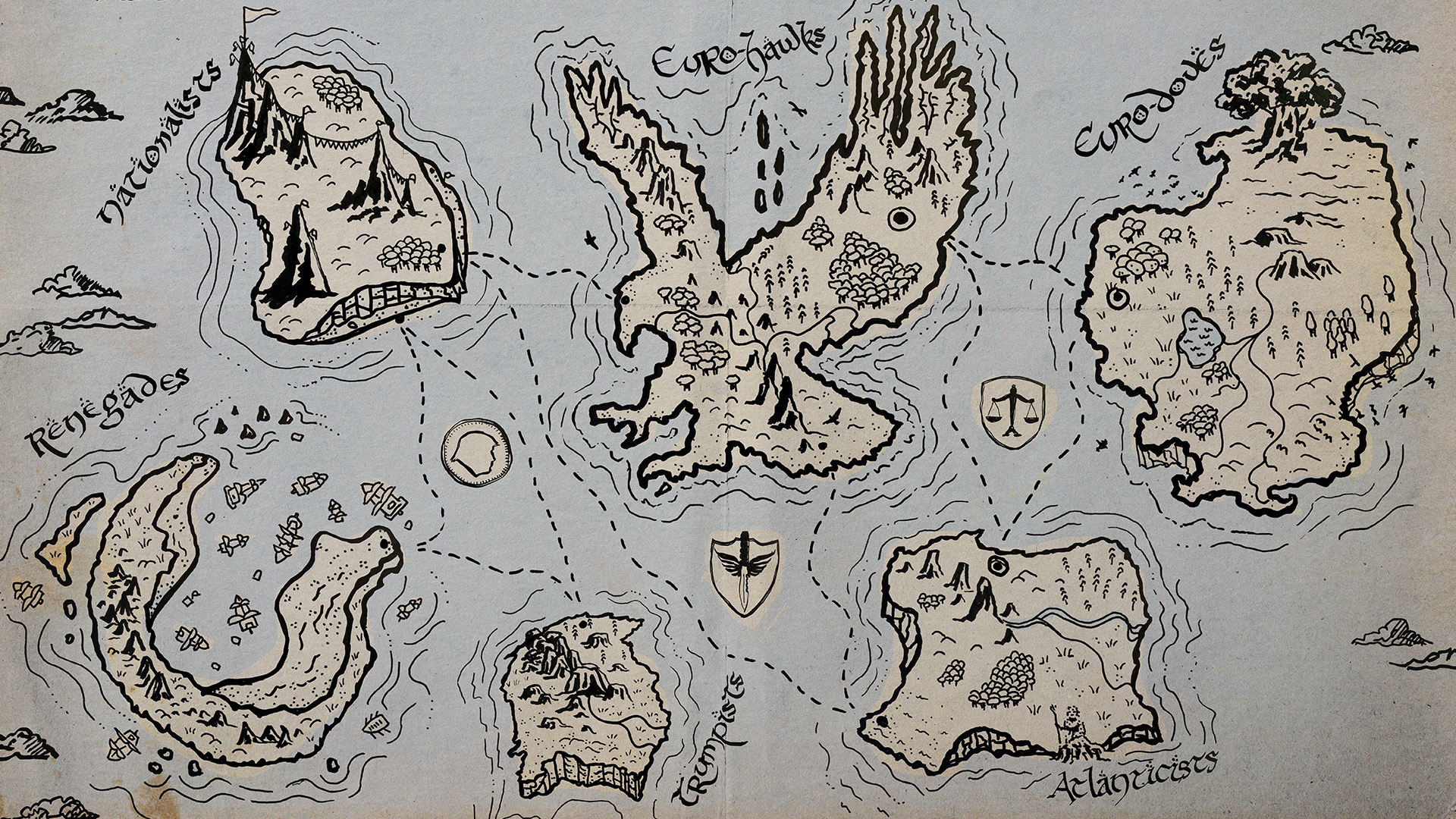
In the second Trump era, Europe urgently needs to secure its autonomy. Leaders must therefore link together different islands of European public opinion to establish strong majorities for action
While Estonia’s geography makes it vulnerable to a Russian invasion, it is also protected due to weakened Russian capabilities, stronger European defence cooperation and its own preparedness. NATO’s European members should be reassured but not complacent
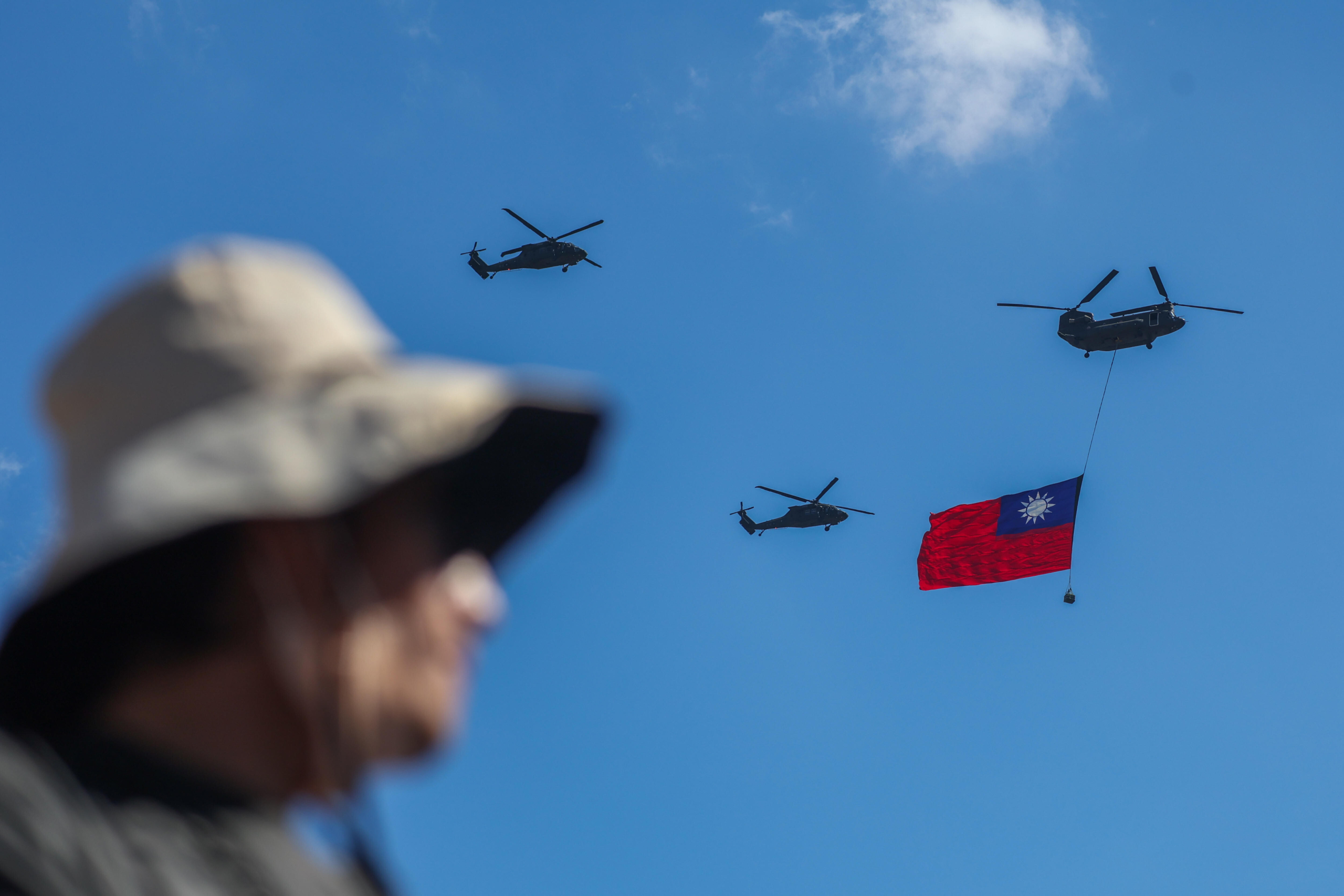
China’s military capabilities are growing and its actions in Europe are becoming more disruptive. The EU should support Taiwan with dual-use technologies and defence cooperation to send a clear signal to Beijing.