On October 15, 1962, senior U.S. officials learned that their fears had come true—the Soviet Union was installing nuclear-armed ballistic missiles in Cuba.
Trump’s diesel deal moves little fuel, but it could cost Ukraine its best lever against Moscow. The post Trump’s Diesel Deal Matters More to Moscow than the Market appeared first on Geopolitical Monitor .
Dr. Yunis GurbanovAll, Energy Sector, Russia Sanctions, Trump Foreign Policy, Ukraine War
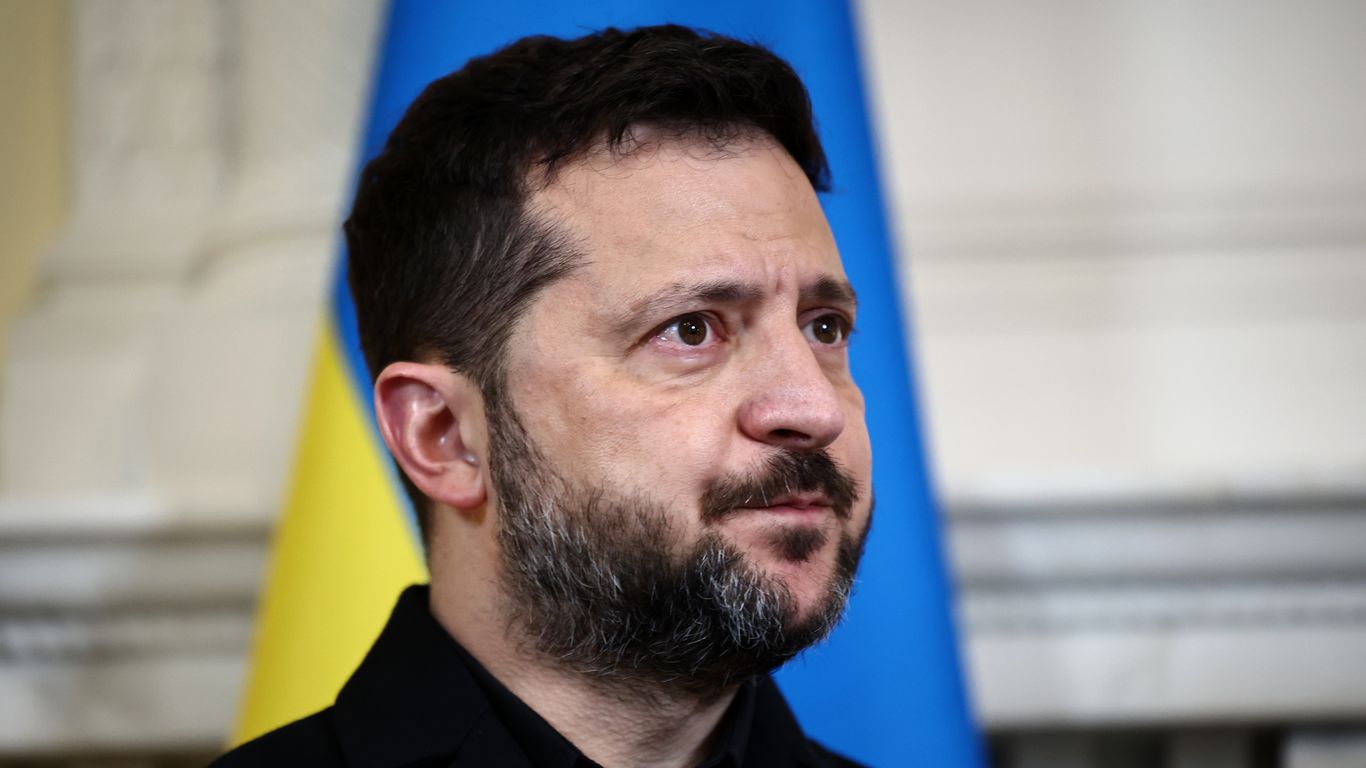
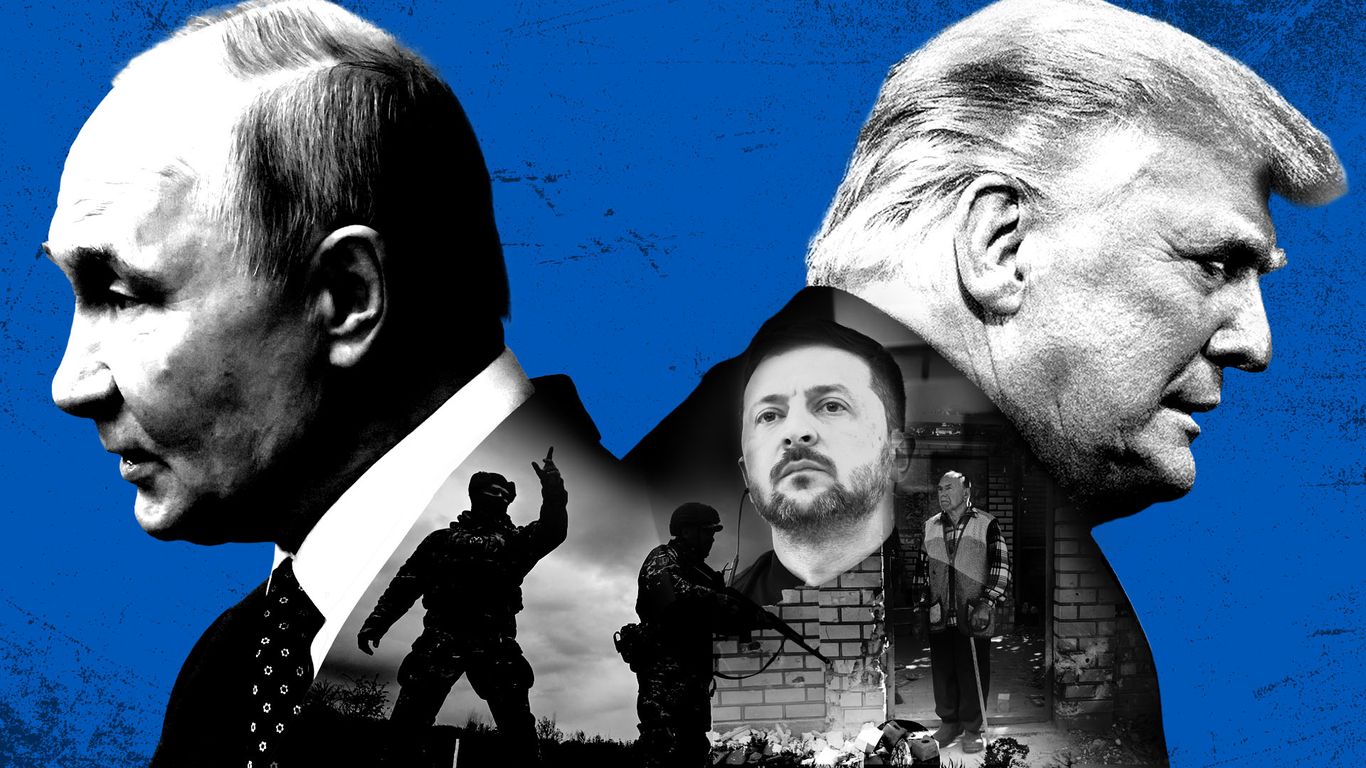
Ukraine's Starlink and Starshield satellite services — critical tools in its war against Russia that were unexpectedly throttled this week — have been restored to full capacity, a Ukrainian official tells Axios. The official also said that Ukraine conducted a strike overnight against a Russian oil refinery — defying President Trump's demand that it stop hitting those facilities. Why it matters: The twin developments further strained the U.S.-Ukraine relationship, as the war with Russia drags on and the Trump administration sided with Russian President Vladimir Putin last week by lifting sanctions on Russian oil sales. State of play: The move angered Ukraine. President Volodymyr Zelensky responded by calling it "a weak decision" and a "gift to Putin." Trump then called for Ukraine to elect a new president. The crisis intensified this week when Elon Musk's SpaceX restricted service of Starlink — a satellite service used for defensive purposes in battle — while Starshield, a tool used for offensive war operations that is controlled by the U.S. government, was also slowed. After more than a day, the services were restored. Ukraine, meanwhile, fired on a Russian oil refinery, which U.S. officials are unlikely to look kindly upon. The Ukrainian official said the country resumed strikes because Russia continued to hit Ukrainian energy infrastructure, despite Trump announcing that the two sides had agreed to a ceasefire. That declaration came as a surprise to Zelensky. The bottom line: It's still unclear to many inside the Trump administration and the Ukrainian government whether T
Putin’s conservative staffing policies and search for ever greater control have cemented parliament’s transformation into a bureaucratic appendage of the executive branch.
Andrey PertsevDomestic Politics, Political Reform, Russia
With its public finances in shambles, the far right polling at 35 percent ahead of the 2027 presidential election, and a growing protest movement, is France’s crisis a threat to the EU’s geopolitical awakening?
Rym MomtazEU, Foreign Policy, Domestic Politics, Economy, Security, Europe, France
The future of war is in outer space — and the U.S. is unprepared for the fallout. Why it matters: An outbreak of space warfare would cripple the global economy by disrupting satellites used for everything from worldwide financial transactions to maritime navigation. It would also hinder the U.S. military's ability to conduct some of its key missions on Earth. The dependence on satellites is precisely what makes them tempting targets for foes. China has made major advancements, such as satellites with robotic arms that could disable U.S. equipment and lasers that can blind military space sensors. Russia lags behind, but U.S. officials fear it may unleash an orbital nuclear weapon that "could pose a threat to all satellites and to the space-enabled services the world depends on." What they're saying: Todd Harrison, the American Enterprise Institute's space expert, said "we've been under the illusion" that an adversary would target only military satellites and leave civil or commercial ones alone. That's no longer the case. "In a future conflict, we could very well see the civilian and commercial space infrastructure that we often take for granted ... being attacked," Harrison said. "Is the American public ready for that? I'm not sure they are." " We're quickly coming to the conclusion that there's no sanctuary in space, not even in a small conflict," he added. Threat level: Last month, U.S. officials revealed that the military had weapons in space — a bombshell admission they said was aimed at deterring adversaries. Yes, but: Doug Loverro, a former top NASA and Pentagon space
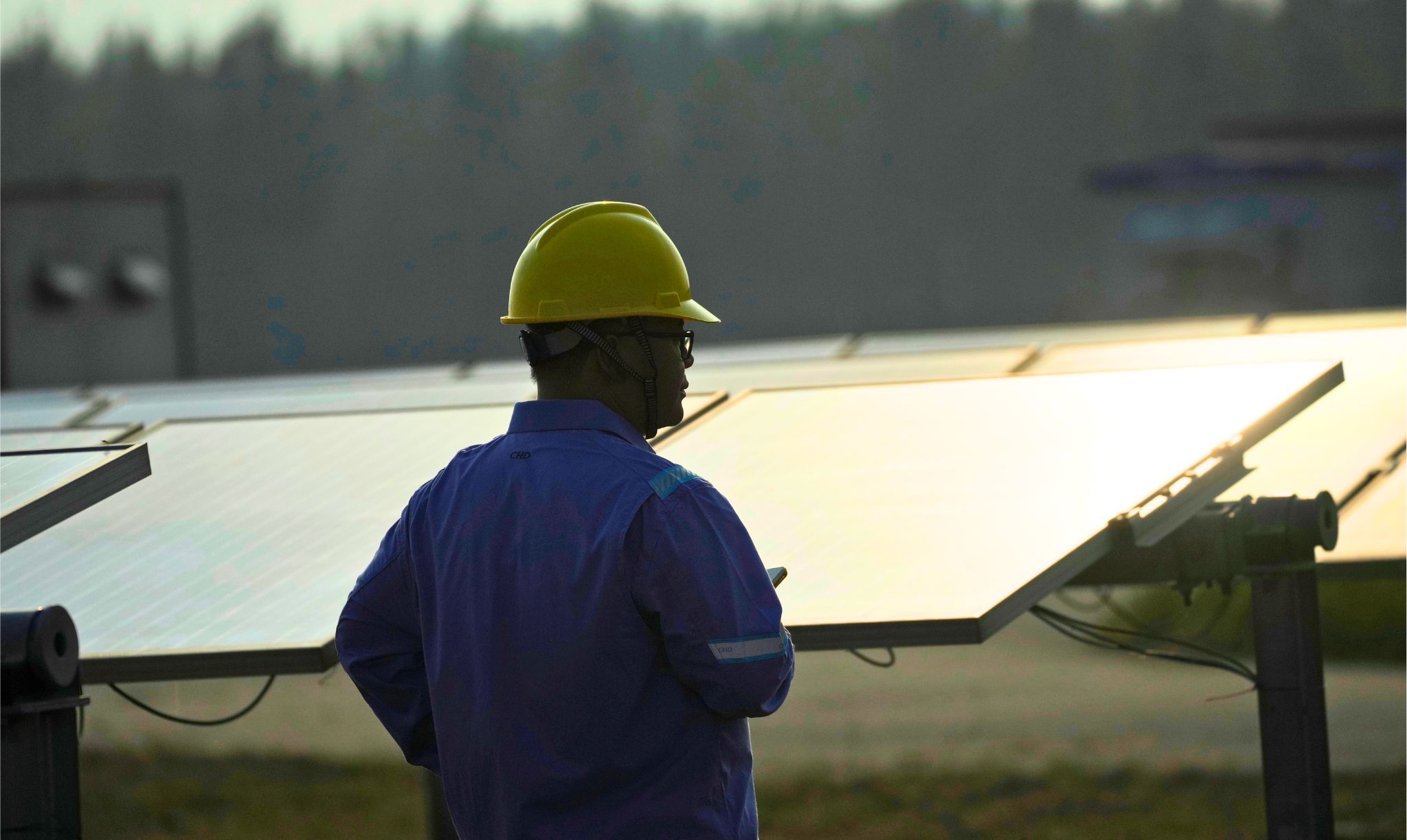
Chinese utilities are stripping European technology out of their critical infrastructure on security grounds, while Chinese suppliers are trying to expand across Europe. Closing that gap means treating Beijing’s own risk assessments as a guide to Europe’s vulnerabilities.
Angelika MarkowskaEuropean Power, China, European Union, Commentary, Janka Oertel
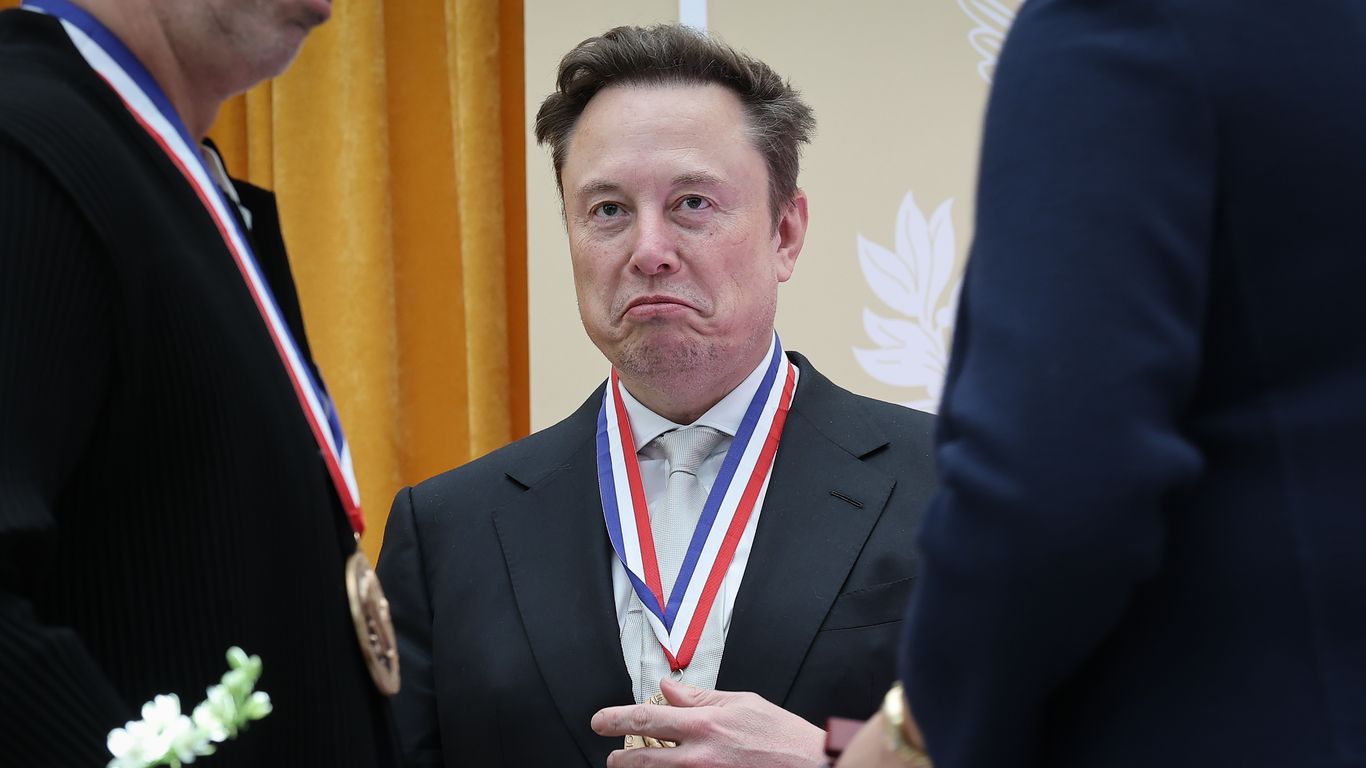
The rupture between President Trump and Ukrainian President Volodymyr Zelensky over last week's diesel deal deepened Wednesday after an Elon Musk -owned satellite system used by Ukraine unexpectedly restricted service — undercutting Ukraine's fight against Russia. Why it matters: The Ukrainian military uses SpaceX's Starlink satellite communications system to control and operate its reconnaissance and intercept drones. When it doesn't operate at full capacity, Ukraine's ability to gather intelligence, use interceptor drones and conduct long-range strikes against Russia is impeded. Service was partially restored on Wednesday, but Ukrainian officials were still searching for answers about why the service was throttled and who was responsible. The limitations came days after a new crisis erupted between the U.S. and Ukraine over Trump's agreement to lift sanctions on Russian oil sales. Zelensky criticized the move, then Trump called for Ukraine to elect a new president. A senior U.S. official said the Trump administration had nothing to do with the alleged Starlink service constraints. But Ukrainian officials remain suspicious. Driving the news: Ukrainian officials said SpaceX imposed the restrictions Tuesday night. The system turned off, they said, when a drone exceeded 160 kph. In some cases, it disconnected when the speed went over 80 kph. The Starlink restrictions came several hours after the Ukrainian military did not receive an early warning about a Russian ballistic missile attack. Ukrainian officials said the U.S. has provided such alerts over the last several years as
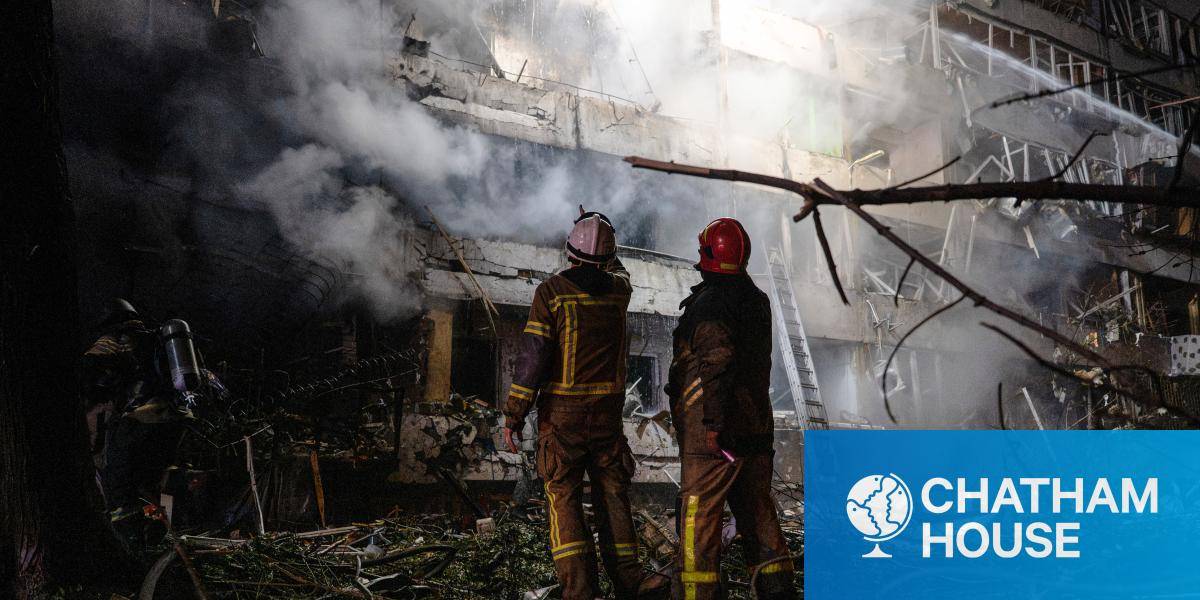
After Trump’s Russian diesel deal, will Europe give Ukraine the support it needs? Expert comment jon.wallace 14 October 2026 The new row between Washington and Kyiv must not distract Europe’s leaders from the urgent matter at hand: how to sustain Ukraine’s economy through the winter. An intervention by President Donald Trump this week has once again created problems for Ukraine’s war effort. The president’s deal with Moscow, which could see millions of barrels of Russian diesel released to global markets, was condemned by Democrats and even some prominent Republicans in the US. Trump openly framed the deal as an effort to secure ‘Lower prices for Americans’ as midterm elections approach in November. It is uncertain that the deal will do much to swing votes back to the president’s party. But it has created another open dispute between Trump and President Volodymyr Zelenskyy – at precisely the moment when Ukraine needs renewed, focussed support from its allies. A mounting Russian assault Recent weeks have seen a noticeable shift in Russia’s war strategy. Some had expected Putin to order a new wave of mobilization and a renewed offensive in the Donbas. Instead, he has moved to intensify Russia’s ballistic missile and drone campaign, with the aim of breaking Ukraine’s economy. There has been a marked uptick in attacks on ports, grain storage and shipping, seemingly to block Ukrainian agricultural exports. Key bridges across the River Dnipro in Kyiv have been hit. So have railways across the country. And attacks have continued on Ukraine’s energy grid (despite the ‘ energy cease
Kyiv calls India’s truce plan the broadest of four on the table. Moscow says it covers only part of a settlement. The post India’s Bid to Broker an Energy and Black Sea Truce in Ukraine appeared first on Geopolitical Monitor .
Nikola MikovicAll, India Foreign Policy, Supply Chains, Ukraine War
Russia’s AI-driven propaganda campaigns operate in a fragmented, chaotic, and often illogical manner. That’s not necessarily a problem for the Kremlin, though: It’s much easier to mimic genuine public debate that way.
Ilya KlishinTechnology, AI, Global Governance, Security, Russia
Inside a bunker, a pilot operates a first-person-view drone, unable to see the aircraft directly. A navigator plots a grid and helps search a degraded video feed. Somewhere in the […]
Commentary & Analysis, jordan.bower, nico.martire, james.l.andreasen
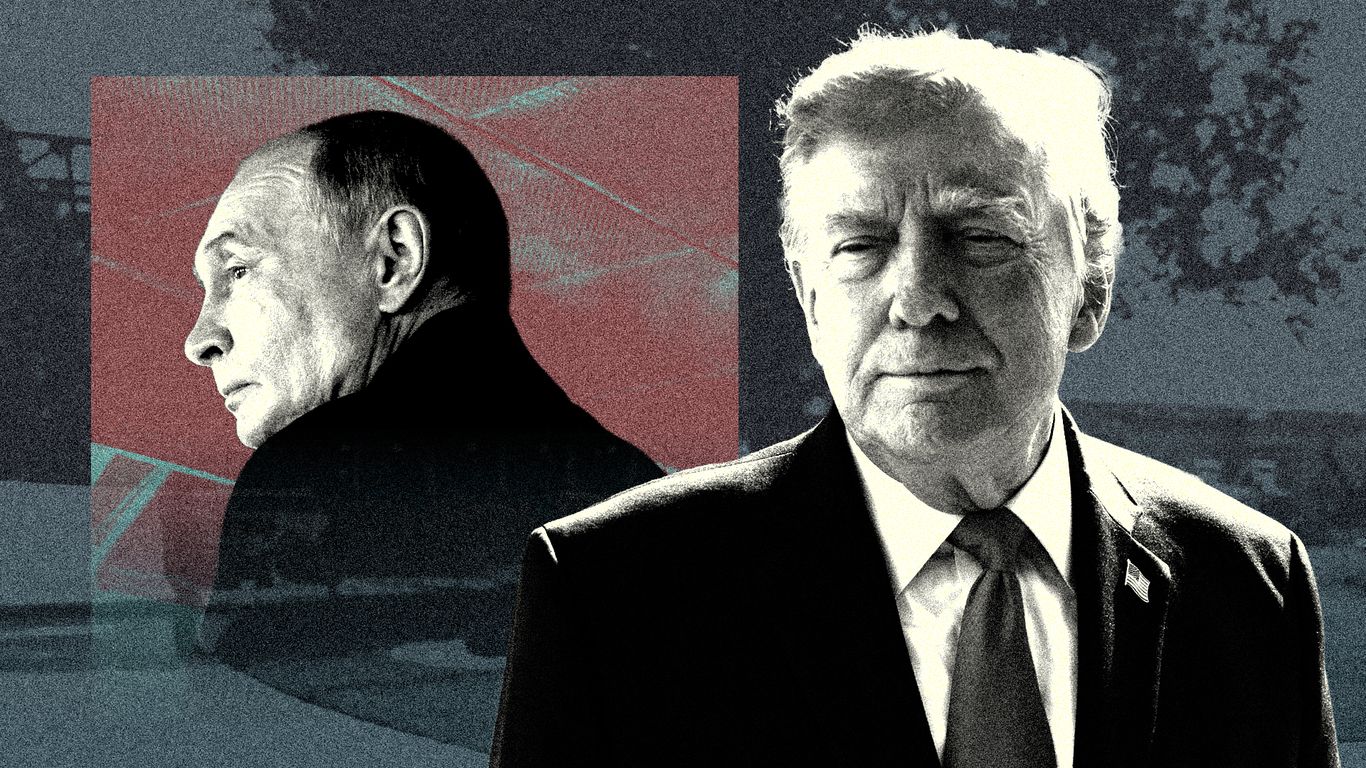
President Trump is indulging his fondness for Vladimir Putin at a moment of acute political peril, forcing Republicans in the midterms to take cover as he showers Moscow with one-sided concessions. Why it matters: With just three weeks until the election, Trump is rekindling a decade-long, scandal-scarred relationship with a dictator reviled by most Americans — including his own supporters. Driving the news: Since speaking with Putin on Friday, Trump has embarked on a remarkable five-day campaign of diplomatic concessions and cover for Russia — sparking bipartisan blowback just as voters prepare to cast their ballots. On Friday, Trump announced a deal to unleash millions of tons of Russian diesel onto global markets, easing sanctions designed to starve Moscow's war revenues. On Saturday, Trump lashed out at Ukrainian President Volodymyr Zelensky for striking Russian refineries and demanded that Kyiv replace its leader. On Sunday, Trump blindsided Zelensky by declaring an immediate "energy ceasefire." Russia has continued attacking Ukrainian energy infrastructure, with no apparent consequences from Washington. On Monday, Trump dismissed months of intelligence-based reports that Russia was enabling Iran's war effort by supplying information about U.S. military assets. On Tuesday, Trump doubled down on the diesel deal and brushed off concerns that the proceeds could finance Russia's war machine, even as GOP senators labeled it a "betrayal" and "a gift to our adversary." Between the lines: The benefits to Russia are clear. Far less apparent is what Trump's concessions accomplis
The recent arrest of five men near RAF Fairford Airbase in the United Kingdom as part of a suspected Iranian terror plot against the base and an “unspecified new threat” to use drones to attack U.S. assets stationed at Fairford prompted the United States to remove all 12 of its B-1 Lancer bombers from the […] The post Drones Are Threatening U.S. Assets Overseas, but Their Threat to the U.S. Homeland is Higher appeared first on The Soufan Center .
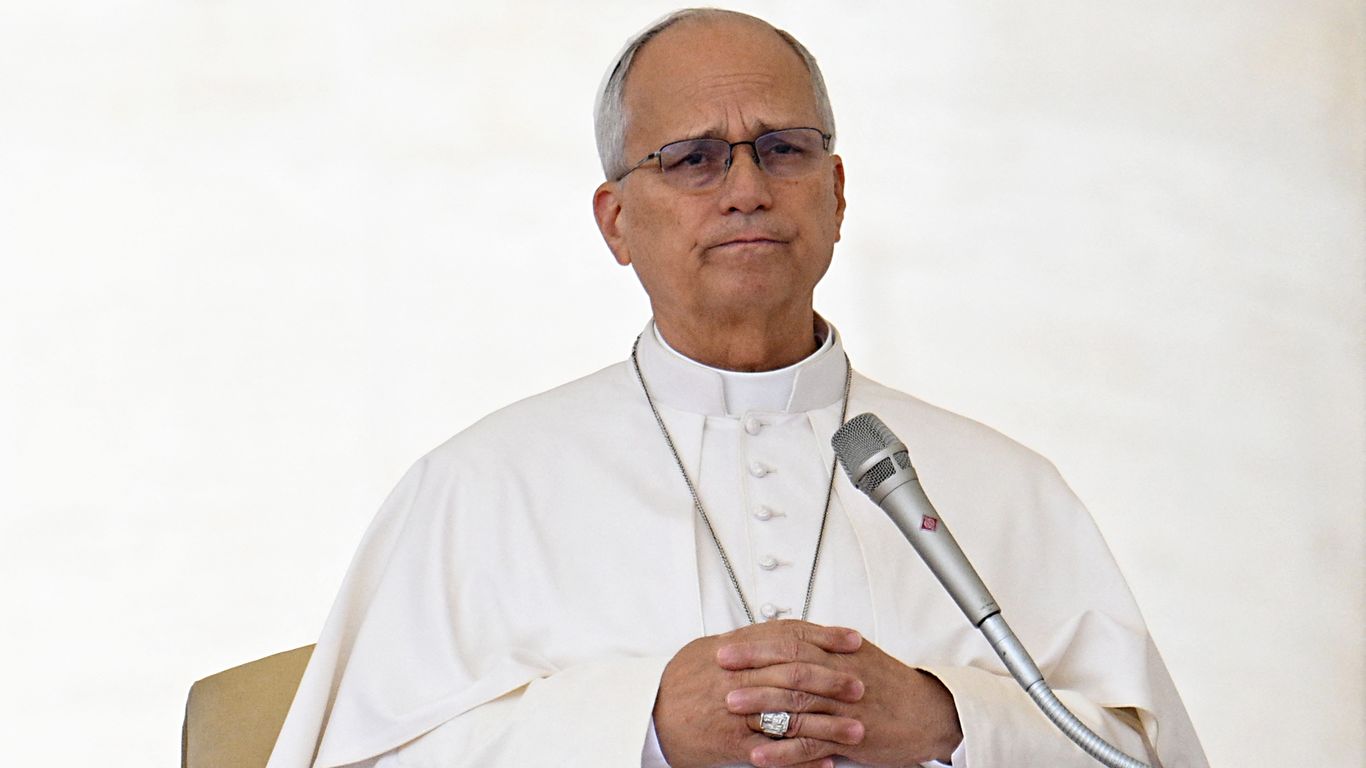
Pope Leo has been diagnosed with lung cancer, the Vatican said Tuesday. Why it matters: The Vatican disclosed the pontiff's health news just hours after he underwent surgery to remove the lower lobe of his right lung . What they're saying: "The surgery was completed successfully, within the expected timeframe and as planned, and the holy father has returned to his room," per a Holy See Press Office statement published Tuesday. The office said in that statement it would provide more information shortly, and later followed up with news of Leo's diagnosis of lung adenocarcinoma, which they said tests "conducted beforehand" had led them to suspect. Driving the news: The first American pontiff was admitted to Rome's Agostino Gemelli University Hospital on Tuesday afternoon for surgery. "The Pope was in the operating room approximately three hours, while the operation itself lasted about 90 minutes. The doctors said it was successful and there were no complications," the statement said. The Catholic Church leader carried out his usual duties Monday and was greeted by supporters and patients at the hospital, according to the Vatican statement. Zoom in: Adenocarcinoma is the most common subtype of lung cancer, per the Cancer Center. It forms when the cells lining the outside of the lungs become cancerous. Its symptoms include persistent cough, shortness of breath and chest pain, amongst other things. Patients with adenocarcinoma don't always experience symptoms early on, and it is often detected during a scan for a medical reason unrelated to lung cancer. The big picture: Doctors d
President Trump's deal to lift sanctions on Russia to increase diesel supplies "is a betrayal of the people of Ukraine" and "a gift to our adversary," a bipartisan coalition of senators wrote in a letter admonishing the agreement. Why it matters: The decision to turn to Vladimir Putin in an attempt to ease the diesel crunch is piling onto Republican headaches ahead of the midterms and fueling fresh friction between the U.S. and Ukraine. What they're saying: The deal "will not achieve just ends, nor will it benefit Americans," the senators warned, urging Trump to withdraw from it and ramp up the economic pressure on Russia as called for in a sanctions bill named for the late Sen. Lindsey Graham that he signed into law last month. While record-shattering diesel and gas prices are squeezing key industries and American households, the lawmakers argued that "allowing Russian-origin diesel into global markets will offer limited to no relief to Americans." Analysts have expressed doubt that the levels Trump pitched will meaningfully sway prices, Axios' Ben Geman reports . However, the lawmakers argued that it will "undoubtedly finance" Russia's war "and advance its security cooperation with China, Iran, and North Korea." The fine print: The signers are Sens. Richard Blumenthal (D-Conn.), Thom Tillis (R-NC), Jeanne Shaheen (D-NH), Susan Collins (R-Maine), Dick Durbin (D-Ill.), Alan Armstrong (R-Okla.), Sheldon Whitehouse (D-RI), Lisa Murkowski (R-Alaska), Jack Reed (D-RI), Chris Coons (D-Del.), Mitch McConnell (R-Ky.) and John Cornyn (R-Texas). The White House directed Axios to the
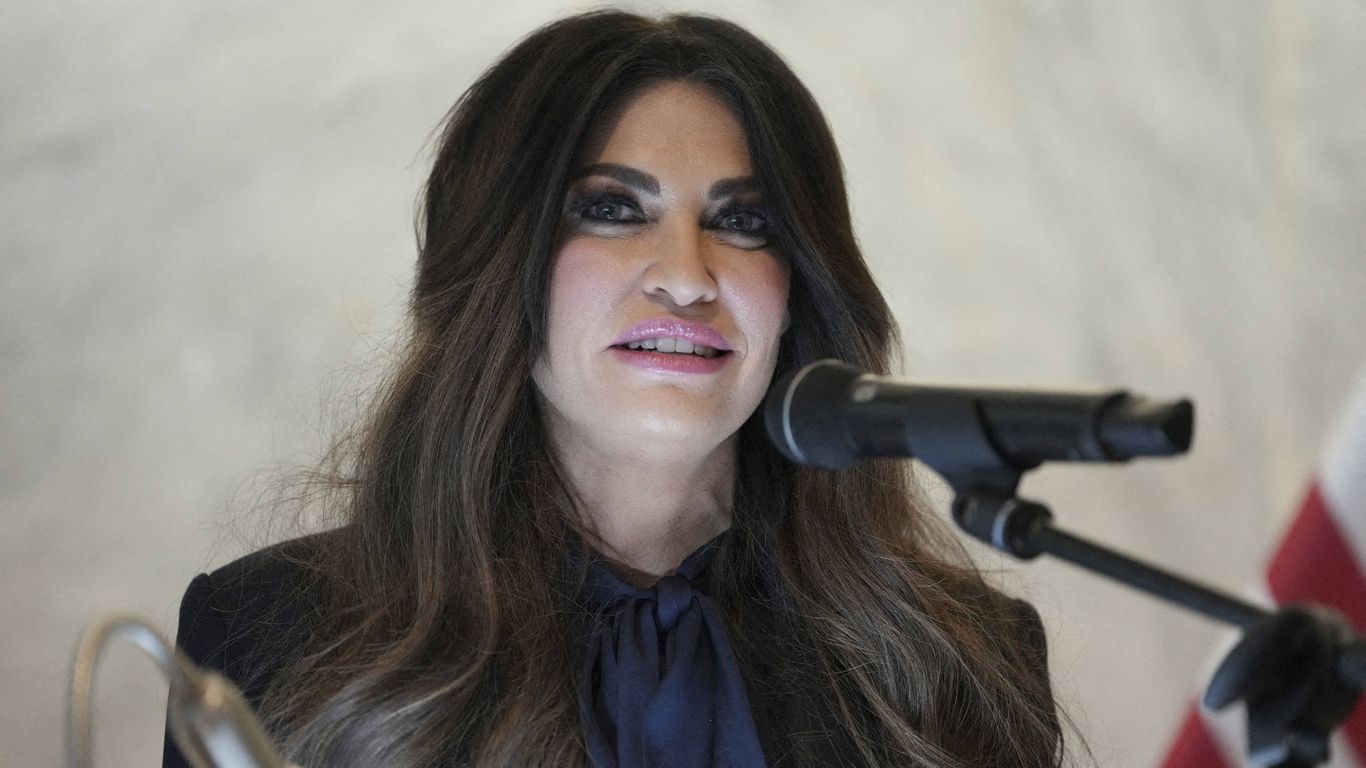
Kimberly Guilfoyle , the U.S. ambassador to Greece, announced her resignation Tuesday, shortly after the White House asked her to step down and following reports alleging misconduct before and during her diplomatic posting. Why it matters: The exit of the president's longtime political ally and former fiancée of his son Donald Trump Jr. follows a series of Wall Street Journal reports alleging she used her political connections to seek financial favors and promote private business interests. Guilfoyle has denied any wrongdoing. White House press secretary Katie Zacharia said Tuesday during her first press briefing that Guilfoyle was asked to resign. "She has been a wonderful asset to the team and we wish her well," Zacharia said. Driving the news: "My gratitude and respect for President Trump and Secretary Rubio remain unwavering," Guilfoyle wrote in a post on X on Tuesday. "I am proud of what we accomplished together, and I will always be a loyal supporter of President Trump and his mission to Make America Great Again." "While my time as Ambassador may be coming to an end, my commitment to President Trump, the America First movement, and the country I love will never end. It has been the honor of my lifetime to serve the United States of America." Guilfoyle's removal isn't entirely surprising, as Trump told reporters yesterday that he was "looking at" firing Guilfoyle following the allegations: "We're not happy," he said. Those comments follow a senior U.S. official telling AP that Trump and Rubio were "extremely pissed off" about the reports and were considering dismissing
Europe is testing a new response to China Shock 2.0 , betting that it can confront Beijing's export juggernaut without resorting to President Trump's tariff-heavy approach. Why it matters: More of the world is beginning to confront the threat that China's industrial overcapacity poses to their industries. But protecting individual sectors will not solve the bigger problem: China's factories are cranking out far more than its own economy can absorb. Driving the news: The European Union and China struck a preliminary deal on Friday to sharply limit Chinese hybrid vehicle exports to Europe. The EU plans to initially cap Chinese hybrid and plug-in hybrid imports at 350,000 annually, potentially starting as early as December. The cap would more than halve projected Chinese hybrid shipments, which were on track to reach roughly 800,000 this year, an EU official told reporters . Imports totaled 302,000 in 2025. (Chinese officials Monday noted that the deal still allows its automakers to increase shipments from last year's levels.) Vehicles exceeding the quota would be blocked rather than face additional tariffs. The backdrop: France and Germany last week proposed giving Brussels sweeping new powers to restrict market access over unfair trade practices, a striking shift for Germany, which opposed EU tariffs on Chinese EVs in 2024. European Commission president Ursula von der Leyen warned in her annual address last month that the bloc's trade deficit with China had reached a "tipping point." "Some say the second China shock is looming. But it's already here," von der Leyen said. Wha