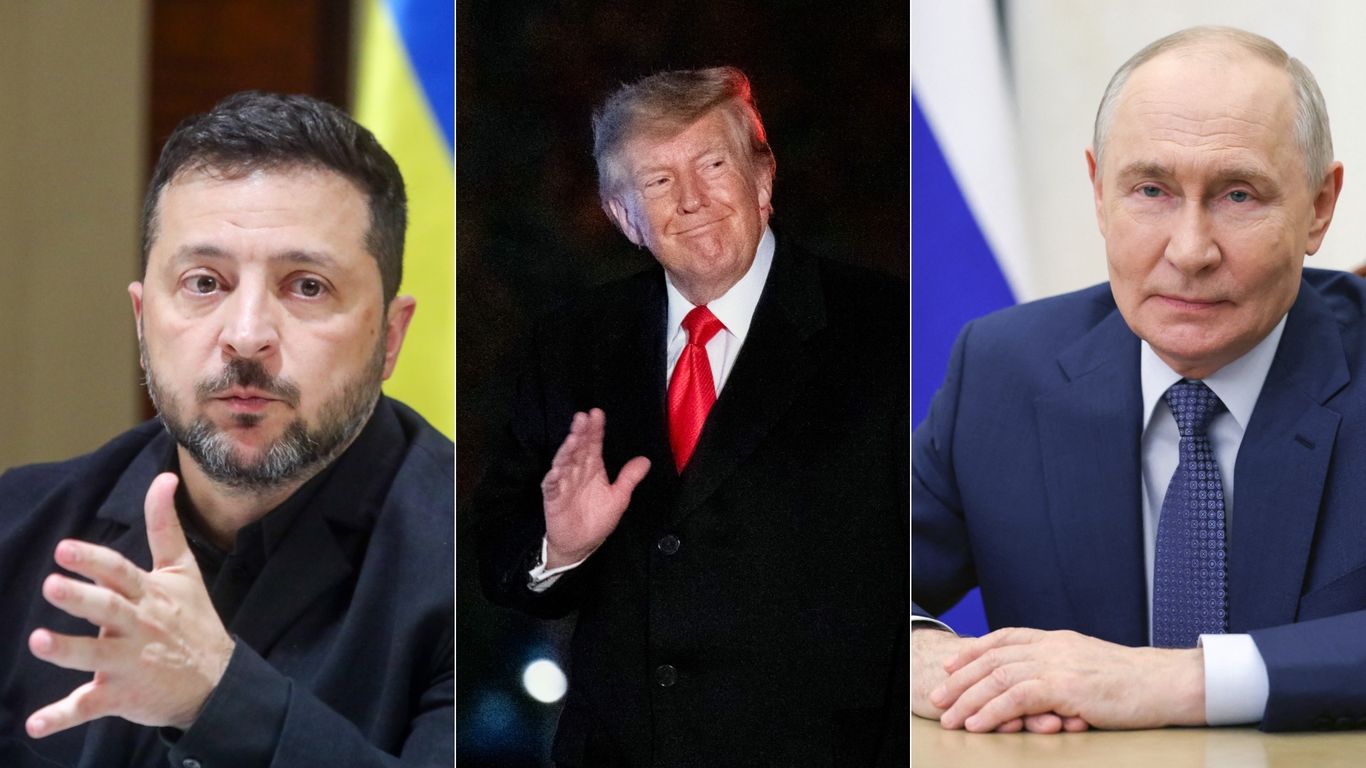
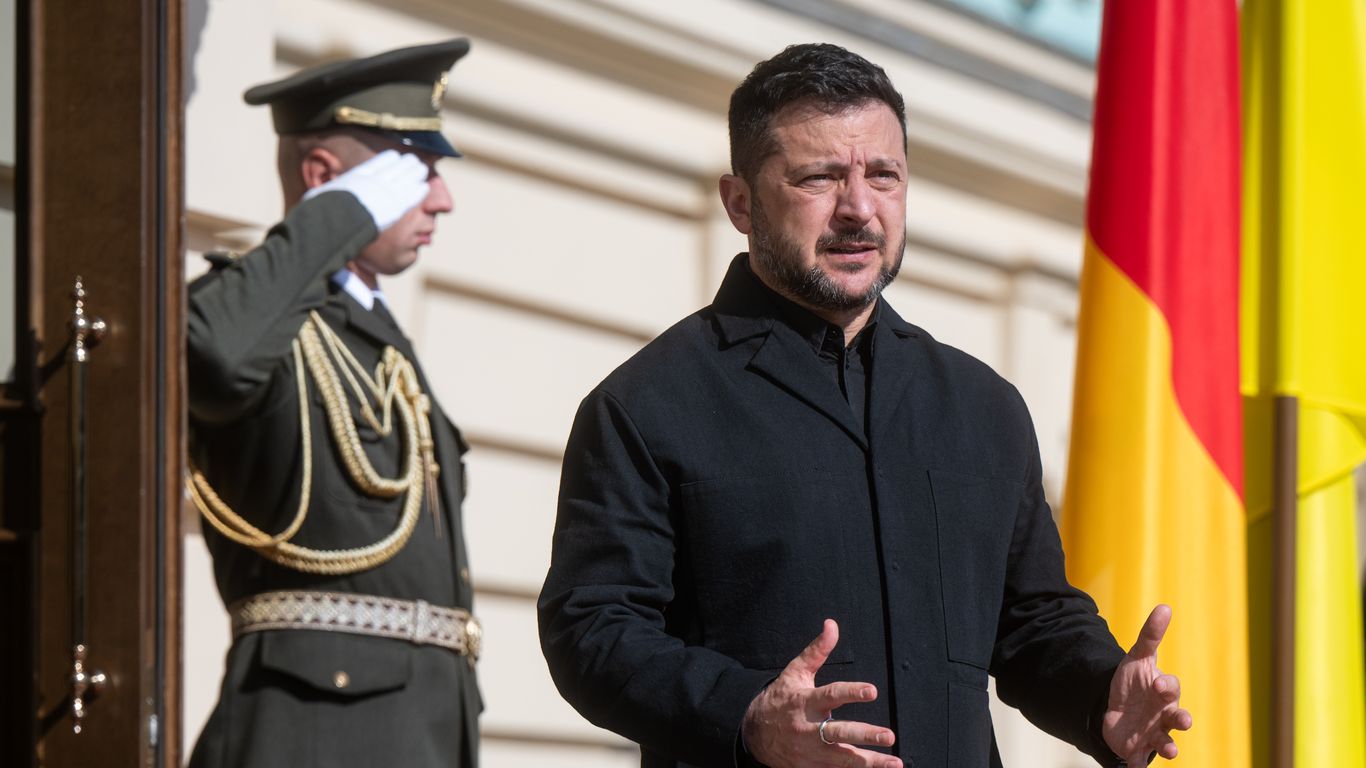
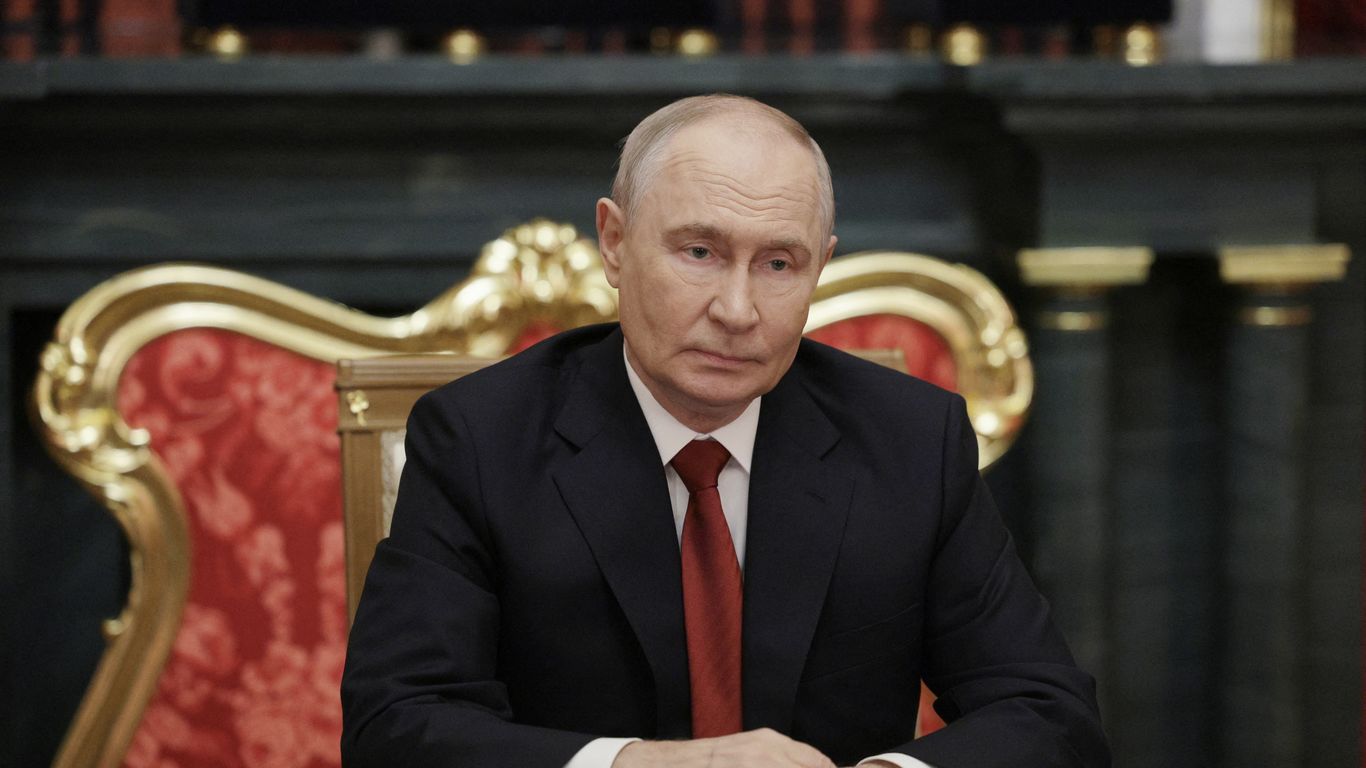
Without a ceasefire with Ukraine on attacking each other’s energy infrastructure—to which the Kremlin is unlikely to agree—the diesel agreement between Putin and Trump is largely for show, rather than representing a genuine increase in the volumes of Russian diesel on the global market.
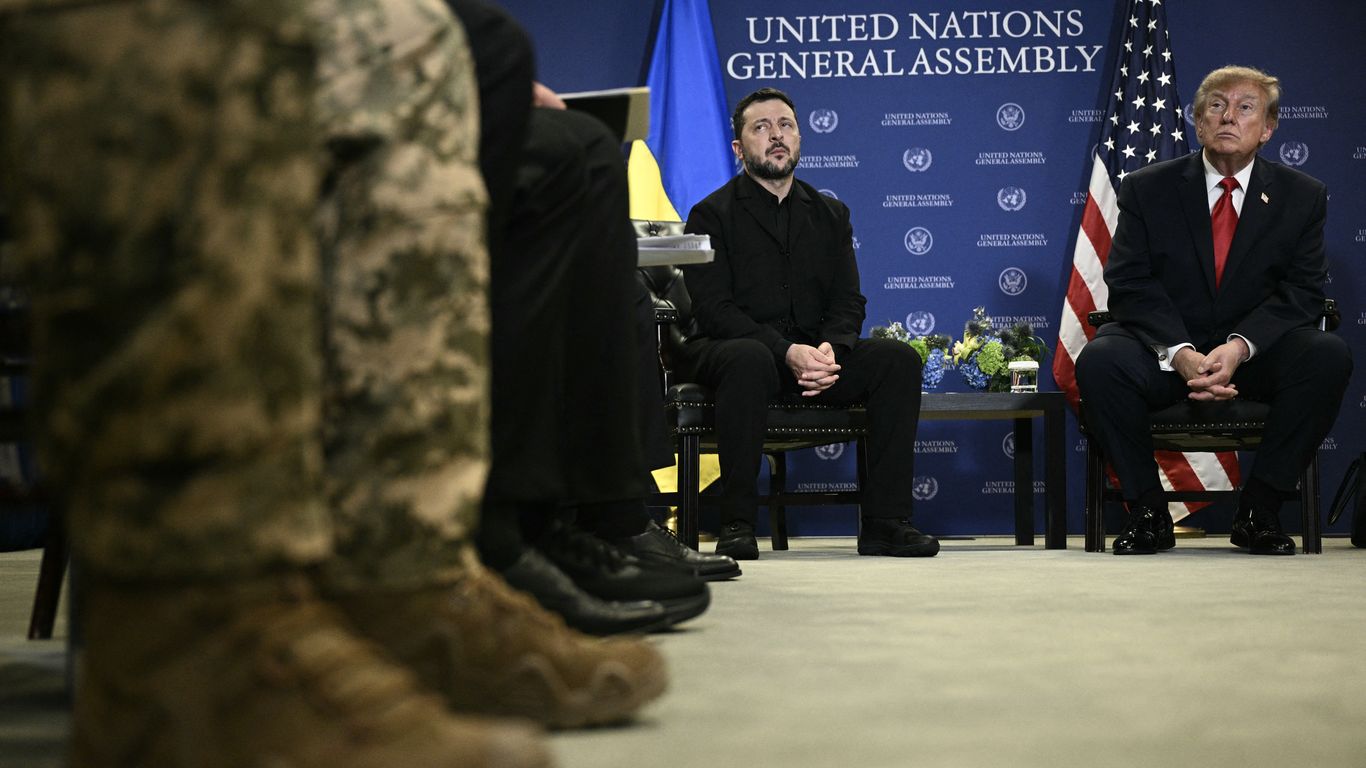
Ahead of a tough winter for Ukraine, Donald Trump’s swing back toward Russia bodes ill. But instead of panicking, Kyiv’s European allies are focusing on action.
Rym MomtazEU, Foreign Policy, NATO, Military, Europe, Ukraine, United States
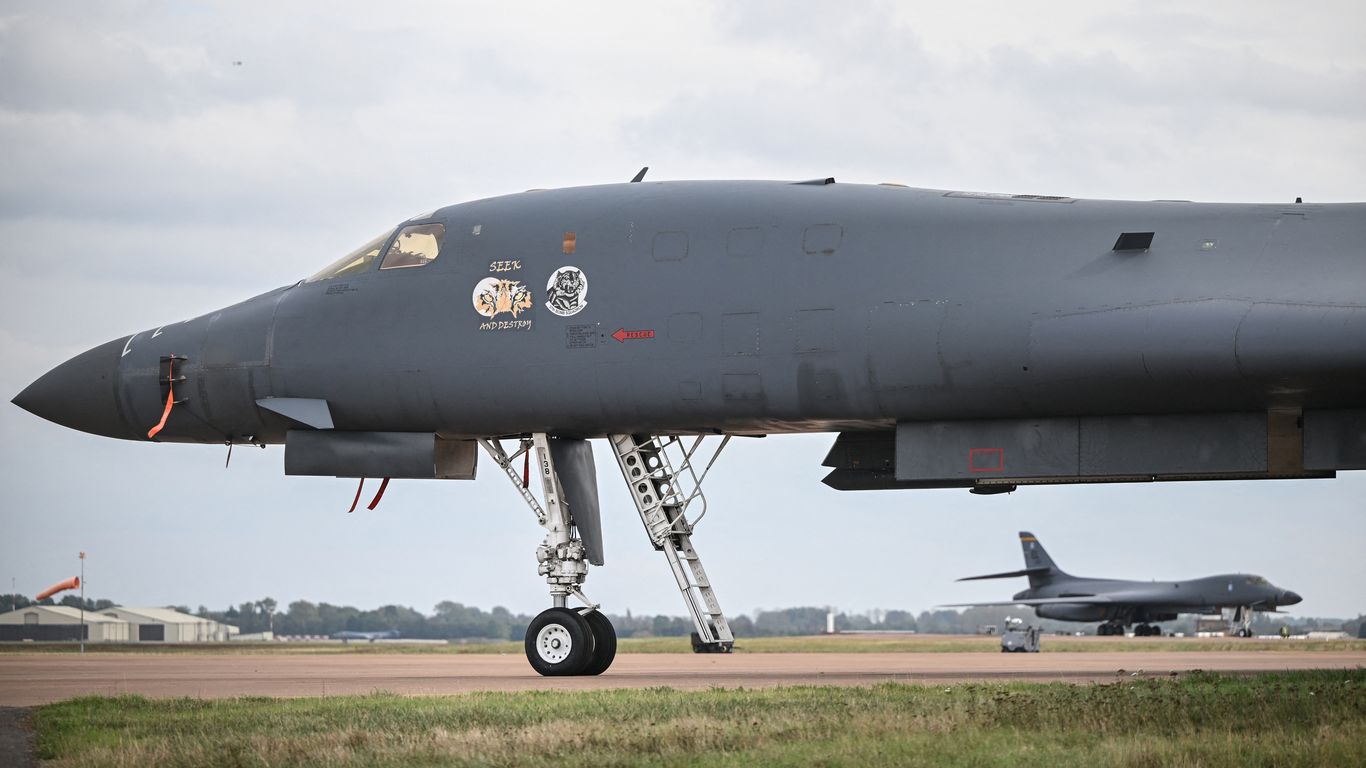
British Prime Minister Andy Burnham told the U.K. House of Commons Monday that Iran's Revolutionary Guard was "almost certainly" behind the suspected plot to attack the RAF Fairford base where U.S. bombers were stationed. Why it matters: This was the first time the U.K. officially blamed Iran for the alleged planned attack . What he's saying: "I can confirm our assessment that it is highly likely to have been coordinated in Iran, almost certainly directed by the IRGC. We will not tolerate these threats on our soil," Burnham said. Driving the news: 10 days ago, the U.S. evacuated a dozen B-1 strategic bombers from RAF Fairford in response to intelligence indicating an Iranian drone attack. It would have been an unprecedented and brazen move by Iran against a U.S. base in Europe — with the potential to dramatically escalate the war in the Middle East. The decision to move the bombers came several days after British security forces arrested several dual British-Iranian citizens suspected of planning an attack on the base. It was unclear whether the people who were arrested were connected to the alleged planned drone attack or if they were planning a different attack. Israeli Prime Minister Benjamin Netanyahu said Israel provided the U.K. with intelligence that pointed to a threat of an Iranian attack. State of play: British Foreign Secretary Ed Miliband said Monday that the Iranian ambassador was summoned to the foreign office in London to denounce the alleged Iranian plot. The other side: The Iranian ambassador to the UK, Seyed Ali Mousavi, told IRNA that Iran "categorically
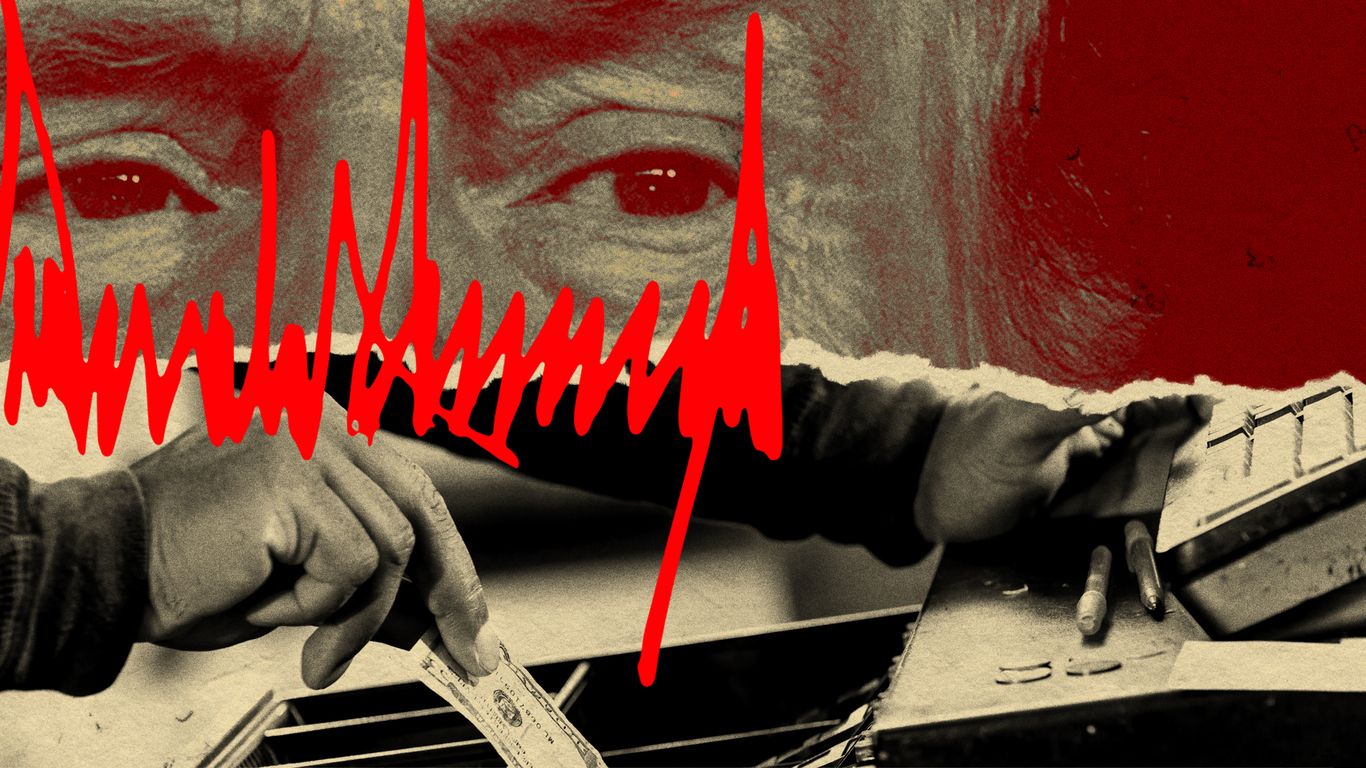
Republicans already saddled with Trump's unpopular policies in the midterms now face another awkward choice: whether to back his diesel deal with a dictator many of them despise. Why it matters: The agreement President Trump struck with Russian President Vladimir Putin Friday is designed to ease the cost of living for U.S. consumers. But Republicans who pleaded for help with fuel prices now face a fresh dispute over Russia, with energy analysts questioning whether the deal will deliver the relief Trump is promising. The big picture: With three weeks until Election Day, Republicans are trying to answer voter anger while keeping up with a president whose proposed fixes keep becoming political liabilities of their own. Trump's decision to lock arms with Putin adds another complication. Driving the news: Weeks after signing a sweeping Russia sanctions law, Trump announced Friday that Russia would supply diesel to U.S. and global markets. The next day, Trump blamed Ukraine for soaring diesel prices and called for President Volodymyr Zelensky to be replaced, even as Russia continued attacking Ukrainian cities. Republicans who just supported squeezing Moscow have three options in the final sprint for control of Congress: defend Trump's reversal, break with him or stay quiet. Zoom out: The diesel deal packs some of the GOP's biggest liabilities into one decision: the Iran war's economic fallout, the party's split over Russia and a president determined to make the election about himself. The deal also reverses Trump's own pressure campaign. Last year, he slapped an extra 25% tariff
Chasing China: How should the UK and EU respond to China’s competitive threat? 27 October 2026 — 18:00 TO 19:00 GMT Anonymous (not verified) 12 October 2026 Chatham House and Online Explore how the UK and EU can strengthen their industrial and technological competitiveness in response to China’s scale, speed and state-backed investment. Explore how the UK and EU can strengthen their industrial and technological competitiveness in response to China’s scale, speed and state-backed investment. China’s rapid innovation and strength in advanced manufacturing are intensifying competitive pressure on the UK and EU. The challenge is to protect sensitive technologies and supply chains, and to improve productivity, attract investment and build competitive industries of their own. This event examines the policy choices available to London and Brussels, from industrial investment and trade measures to research partnerships and economic-security tools. It also looks at how a more coordinated approach could deliver greater leverage without closing the door to beneficial engagement with China. This event discusses: How should the UK and EU respond to China’s technological and industrial prowess? Which sectors face the greatest competitive pressure from China? How can research security be strengthened while maintaining international collaboration? What balance should governments strike between openness, resilience and national security? Where should the UK and EU align on industrial policy and investment screening? What would a successful competitiveness strategy look like over the next de
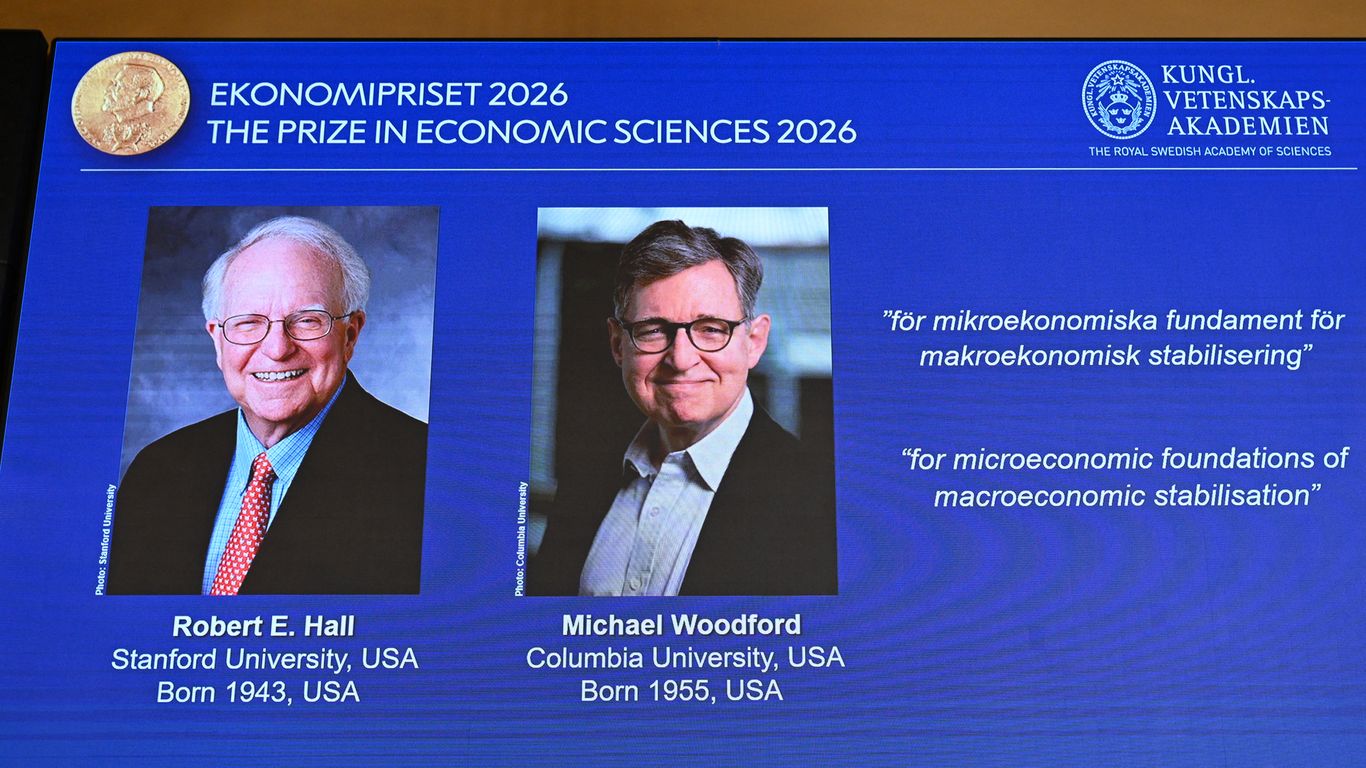
Stanford University's Robert E. Hall and Columbia University's Michael Woodford won the Nobel Prize in economics for research on how policymakers can stabilize economies , the Royal Swedish Academy of Sciences said on Monday. Why it matters: Their work helped shape how central banks set interest rates and communicate policy. The win comes as those institutions fight energy-driven inflation and risks to economic growth. Zoom out: For decades, policymakers relied on economic models that linked higher inflation with lower unemployment. But that framework broke down during the 1970s stagflation when both prices and joblessness surged at the same time. "The solution by Robert Hall and Michael Woodford was to build a new framework ground up," Timo Boppart, a member of the Nobel economics prize committee, said on Monday. What they're saying: Woodford, who called into Monday's press conference hosted by the committee, said he was "elated" by the win. " It's a tremendous honor. It's a surprise — but I'm feeling very good about it," Woodford said. The intrigue : Asked by a reporter about the threat to the global economy, Woodford said the Middle East conflict has disrupted energy markets and driven price changes with consequences far beyond the region. He pointed to the 2008 financial crisis as a key test of his research, when central banks cut interest rates to near zero but struggled to revive economic activity. His framework helped explain how other tools, including forward guidance and asset purchases, could support the economy. Zoom in: In research culminating in a landmark 2003
President Trump's announcement Sunday about an "energy ceasefire" between Russia and Ukraine referred to a potential deal that includes each side stopping attacks on oil refineries — and he expects Volodymyr Zelensky to abide by it, a White House official said. The official said if attacks on oil refineries cease, a deal to stop hitting power plants and energy grids could come next. Why it matters: Trump appears to be singlehandedly trying to will a partial ceasefire into existence. But for now Russia hasn't accepted any kind of ceasefire — and Ukraine wants one that forbids attacks on power plants. Reality check: The "refinery for refinery" proposal, as the official dubbed it, is lopsided. A Ukrainian official told Axios that the country has a single oil refinery which the Russians have attacked multiple times and isn't fully functional. Russia, by contrast, has a vast network of refineries. "We import diesel and gas. What we need is for the Russians to stop attacking our electricity grid," the Ukrainian official said. "The Russians are thinking about" it, the White House official said. "We will know soon if they are ready." Case in point: Hours after Trump's announcement, Russia conducted strikes on power plants in Ukraine, according to Ukrainian media. What he said: Trump's Truth Social post sounded at first like a major breakthrough. "Effective immediately, there is an ENERGY CEASEFIRE in the War between Russia and Ukraine. Both parties have agreed. Do not break it!" he wrote. It appears much more tenuous than that. Zelensky said the announced ceasefire "was news for me
President Trump claimed Sunday that Russia and Ukraine agreed to an " energy ceasefire " and will halt attacks on each other's energy facilities. Ukrainian President Volodymyr Zelensky tells Axios the announcement "was news for me. But if Russians agree to an energy ceasefire, Ukraine will agree." Why it matters: An " energy ceasefire" would be a dramatic diplomatic breakthrough ahead of the winter. It remains unclear if Russia indeed agreed to stop the strikes. Trump made a similar announcement last month, but neither party confirmed that there was a deal. Both Russia and Ukraine continued attacking energy infrastructure. What they're saying: "Effective immediately, there is an ENERGY CEASEFIRE in the War between Russia and Ukraine. Both parties have agreed. Do not break it!" Trump wrote on Truth Social. In a short interview after Trump's announcement, Zelensky told Axios, "If President Trump negotiated it with Putin, please tell us when the ceasefire begins. We are ready, and we will accept it." Catch up quick: The announcement follows days of escalating tensions between Trump and Zelensky over Ukraine's attacks on Russian oil refineries. On Friday, Trump announced a deal to ease sanctions on Russian diesel exports in an effort to lower soaring fuel prices, infuriating Ukraine. On Saturday, Trump called for Ukraine to replace Zelensky , accusing him of refusing opportunities to end the war. Zelensky responded Sunday on ABC's "This Week," saying Ukraine would hold elections if Russia agreed to a 60-day ceasefire. He also said Ukraine was prepared to stop attacking Russian
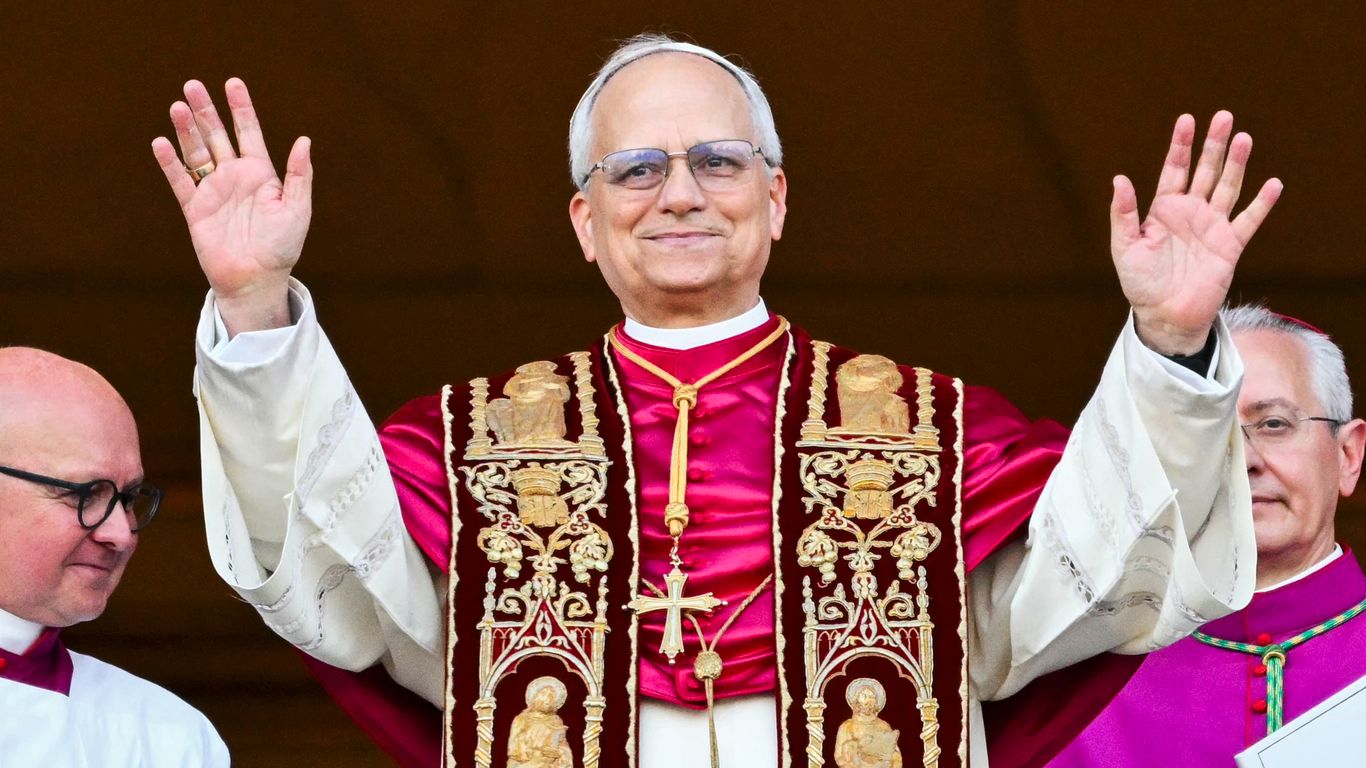
Pope Leo said Sunday tests had discovered a nodule in his lung , which he will have removed surgically this week. The big picture: The first American pontiff , aged 71, is less than 18 months into a papacy that has been defined by public stances at odds with the White House , including clashes over immigration and deep skepticism about AI. What he's saying: "Dear friends, during some recent medical examinations, doctors found a localized nodule in my lung. It was detected at a very early stage and is well localized. The doctors believe surgery is appropriate," the pope said during public remarks, per a translation from the Vatican. "Following their advice, I have therefore decided to undergo an operation to remove it. The operation is already scheduled for the coming days. I thank you for your spiritual closeness and entrust myself to your prayers." The pope did not explicitly say the nodule was malignant. Vatican officials later said the operation would be in the next few days and the recovery would take about a week. Editor's note: This story has been updated with additional details throughout.
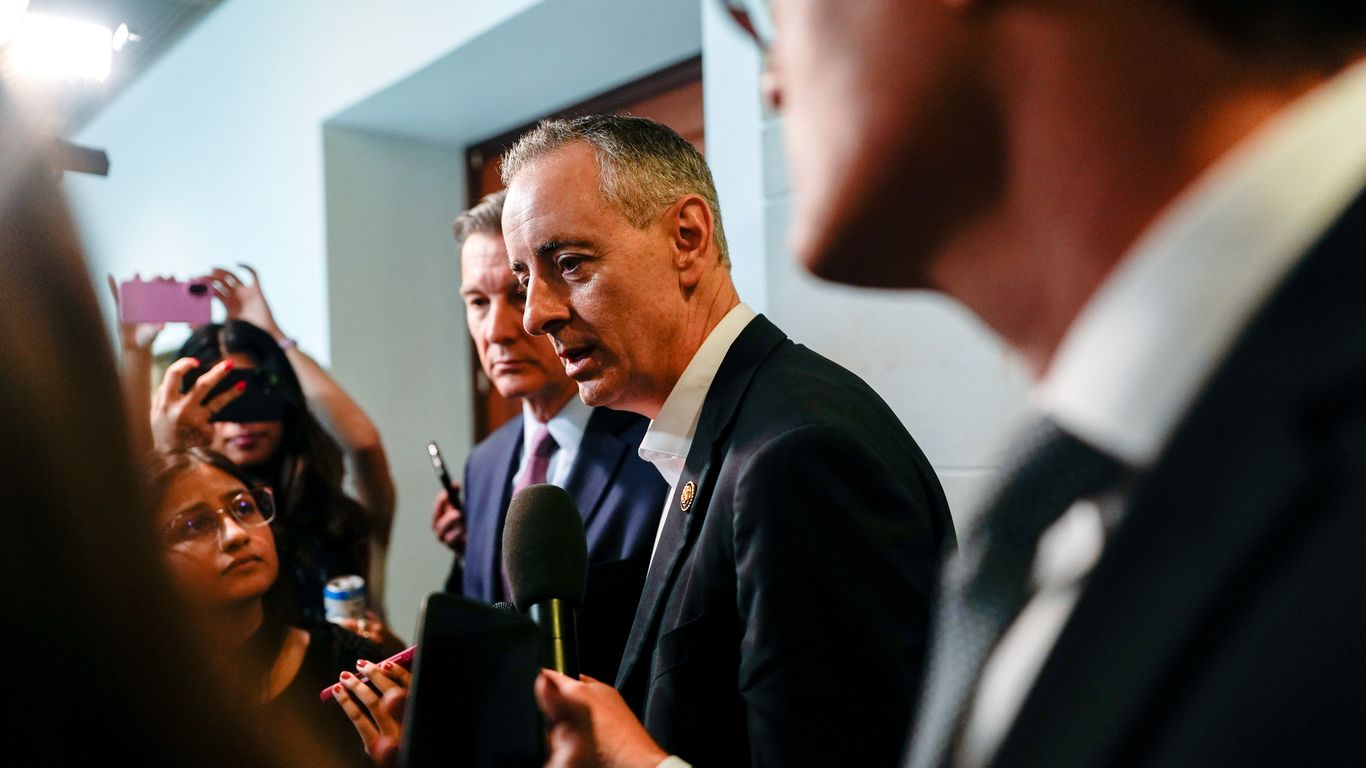
Rep. Brian Fitzpatrick (R-Pa.) vowed Saturday to force a House vote to block Russian oil purchases, challenging President Trump's diesel deal with President Vladimir Putin. Why it matters: Trump has touted the deal as a way to lower fuel prices, but it could also provide revenue for Russia's war in Ukraine. Driving the news: Fitzpatrick, co-chair of the Congressional Ukraine Caucus, said he would introduce the "Ronald Reagan Peace Through Strength Act" and force a vote through a discharge petition. "It will be forced to the Floor via discharge and it will pass overwhelmingly," Fitzpatrick wrote on X . Retiring Rep. Don Bacon (R-Neb.) tells Axios he has "already agreed" to sign the petition. Catch up quick: Trump said Friday Russia would immediately supply more than 300,000 tons of diesel to U.S. and global markets, with more shipments to follow. Energy analysts are skeptical the additional diesel will meaningfully lower prices. Ukrainian President Volodymyr Zelensky called the deal "not fair and not honest," telling Axios it amounted to a gift to Putin. Trump called Saturday for Ukraine to replace Zelensky with a leader willing to reach a deal with Russia. The White House has not yet responded to Axios' request for comment about Fitzpatrick's bill. The big picture: Fitzpatrick is the latest Republican lawmaker to break with Trump in a high-profile way, as the party fights to keep control of Congress amid mounting disapproval of the president. Zoom out: Fitzpatrick is turning to a tactic lawmakers have increasingly used to bypass Speaker Mike Johnson (R-La.): a discharge pet
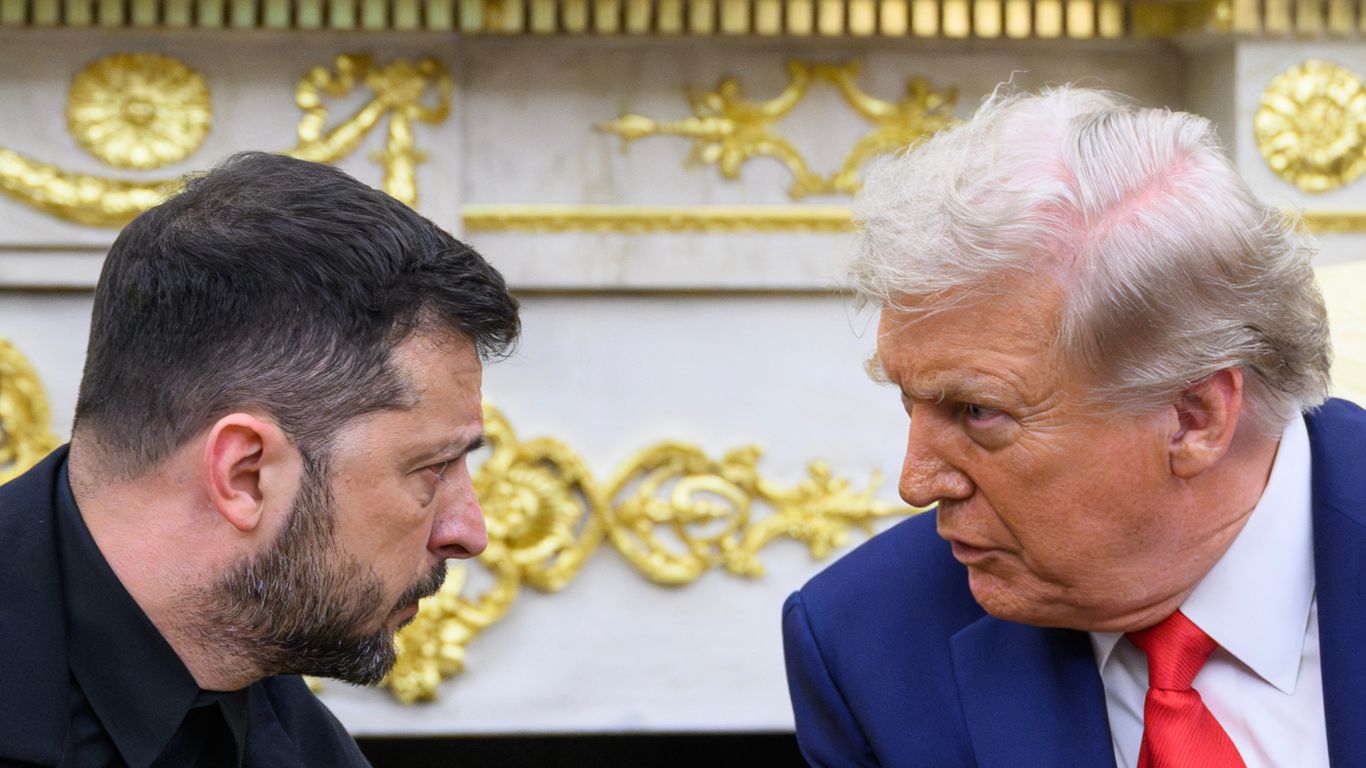
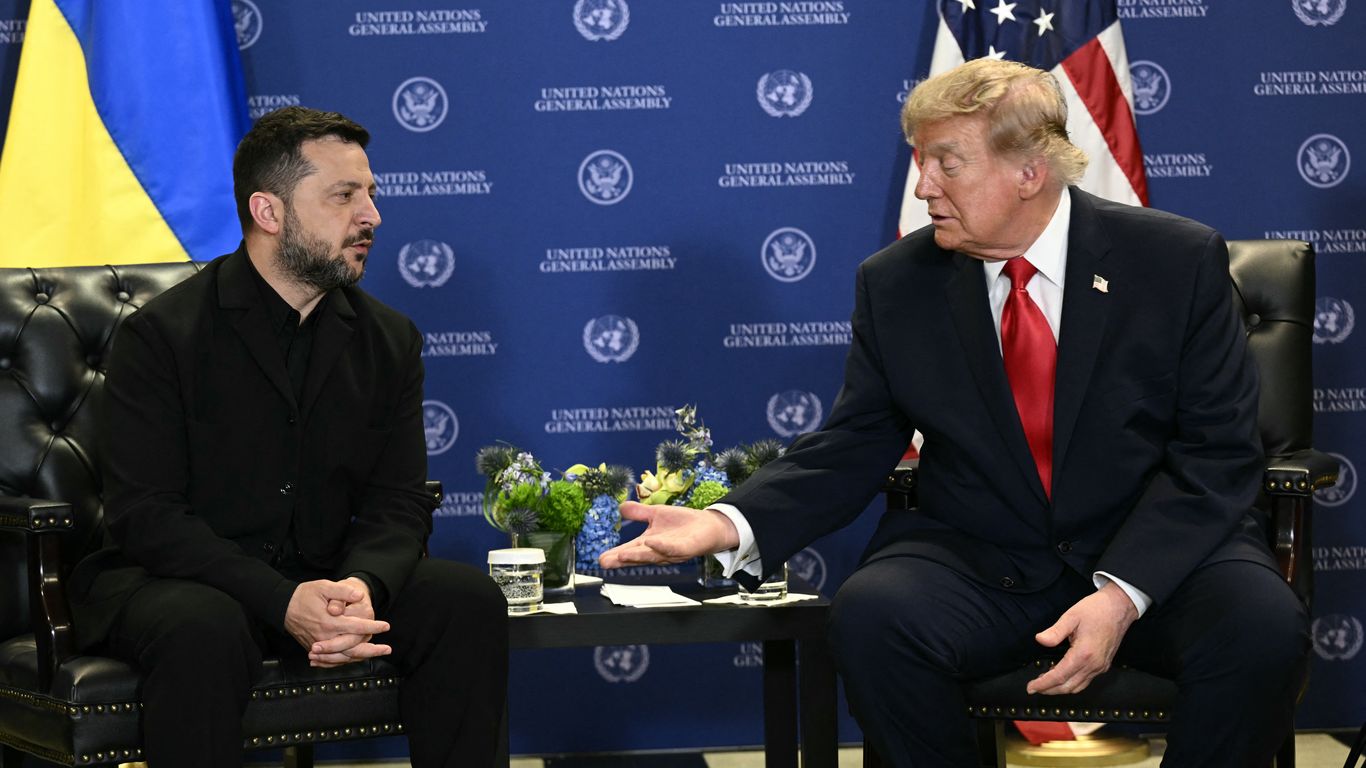
President Trump called Saturday for Ukraine to replace President Volodymyr Zelensky with someone willing to make a deal with Russia to end the war. Why it matters: Trump's attack on Zelensky came after the Ukrainian president criticized his diesel deal with Russia and signals the most serious crisis between the two leaders since their February 2025 meeting exploded in front of cameras. Driving the news: Trump announced Friday he had reached a deal with Russia to lift sanctions to allow Russian diesel exports to the U.S. and the global energy market. Zelensky, who was surprised by the deal made behind Ukraine's back, attacked the move and told Axios it was "not fair and not honest" and was a "sign of weakness" by Trump and a "birthday gift" to Putin. A U.S. official told Axios later that Trump struck the diesel fuel deal after Zelensky ignored half a dozen U.S. requests to stop attacking Russian oil refineries. What he is saying: Trump said Zelensky could have reached a deal with Russia many times "but chooses not to." "I suggest they get a new leader who can make a deal," Trump told reporters Saturday. "… And I think it's time for Ukraine to get a new president." He said he asked Zelensky to stop attacking Russian oil refineries and claimed Zelensky's actions harmed American farmers. "He better damn well stop," Trump said.
President Trump lashed out late Friday night after he once again did not win the Nobel Peace Prize he has openly coveted . Why it matters: The award is Trump's white whale, an honor he talks about frequently and believes he deserves. This year's prize went instead to a former judge of a court Trump has sanctioned and called "rogue" and "evil." Navi Pillay, the winner, reacted to the award by saying world leaders have a "legal obligation to protect human rights and refrain from war," according to the AP . What he's saying: " I know nothing about this woman, and neither does anyone else! In fact, to the best of my knowledge, no one ever heard of her other than the fact that she, very obviously, hates Israel. I don't know what the woman has done," Trump said in a Truth Social post of nearly 600 words that went up just before midnight on Friday. "I settled 8 Wars, with letters being sent from every President and Prime Minister from the countries that I helped to the Norwegian Nobel Committee, and I'm about to settle, or win, two more, Iran and, Russia/Ukraine," Trump wrote. "They're both happening at breakneck speed but, forget them, it's the 8 that I've already settled, any one of which, in particular, Pakistan and India, would be far more than necessary to win the Nobel Prize. In actuality, I should have won 8 Nobel Peace Prizes, not just 1." Between the lines: Pillay, this year's winner, is a former judge of the International Criminal Court and also the former UN High Commissioner for Human Rights. Nobel officials said she received the honor "for her efforts to promote peace
President Trump decided to make a diesel fuel deal with Russia after Ukrainian President Volodymyr Zelensky ignored half a dozen U.S. requests to stop attacking Russian oil refineries, a U.S. official with direct knowledge told Axios. Why it matters: Trump's deal with Russian President Vladimir Putin sparked a new crisis with Ukraine and threatens to derail a new push by the Trump administration for a deal to end the war. "Zelensky is misreading the room. By continuing to hit refineries, he is eroding the good will that he has built with Trump over the last six months," the U.S. official said. Zelensky, in an interview with Axios after the announcement, said he was blindsided by the deal, which he called "not fair and not honest" and an unwarranted gift to Putin. Driving the news: Ukraine's strikes on Russian oil refineries in recent months were highly effective and caused an energy crisis in Russia. Russia imposed a ban on diesel exports in response, which added more pressure to global diesel markets under strain from the war in Iran. Zelensky told Trump and his envoys Steve Witkoff and Jared Kushner that he was prepared to stop attacking Russian oil refineries if the Russians halted attacks on Ukrainian power plants. The U.S. official said Trump wanted Ukraine to unilaterally stop attacking Russian refineries because the strikes were contributing to high gas prices in America. Trump didn't see the attacks on refineries as equivalent to Russian strikes on Ukraine's power grid, the U.S. official said. Inside the room: During eight hours of talks in Miami on Friday, Witkoff
Ukrainian President Volodymyr Zelensky told Axios in a phone interview on Friday that President Trump's decision to unilaterally lift sanctions on Russia and allow it to export diesel was "not fair and not honest." "You know, it looks like a happy birthday present for Putin. It looks absolutely terrible," Zelensky said in frustration, referring to the Russian president's birthday earlier this week. Why it matters: Trump's announcement, which came after a call with Putin, shocked Ukraine and many European governments and created a new crisis between the U.S. and its Western allies. During the 15-minute interview, Zelensky sounded exasperated and dismayed and even expressed a sense of betrayal by the news of the diesel deal. Trump was asked several times by reporters on Friday about Zelensky's criticism but declined to comment and said he was happy about the deal with Putin. Driving the news: Trump announced the deal with Putin as his envoys Steve Witkoff and Jared Kushner were meeting in Miami with the Ukrainian negotiating team along with senior diplomats from Germany, France, the U.K., the EU and NATO to discuss new U.S. ideas for ending the war. Zelensky said he spoke several days ago with Witkoff about the need to continue efforts to reach a diplomatic breakthrough before winter and the midterm elections. "Steve proposed to meet in Florida. And of course I accepted to go there and speak about the possibilities of negotiations. The Americans said they have some ideas and we agreed to come to discuss," Zelensky said. At no point during his talks with Witkoff and Kushner di
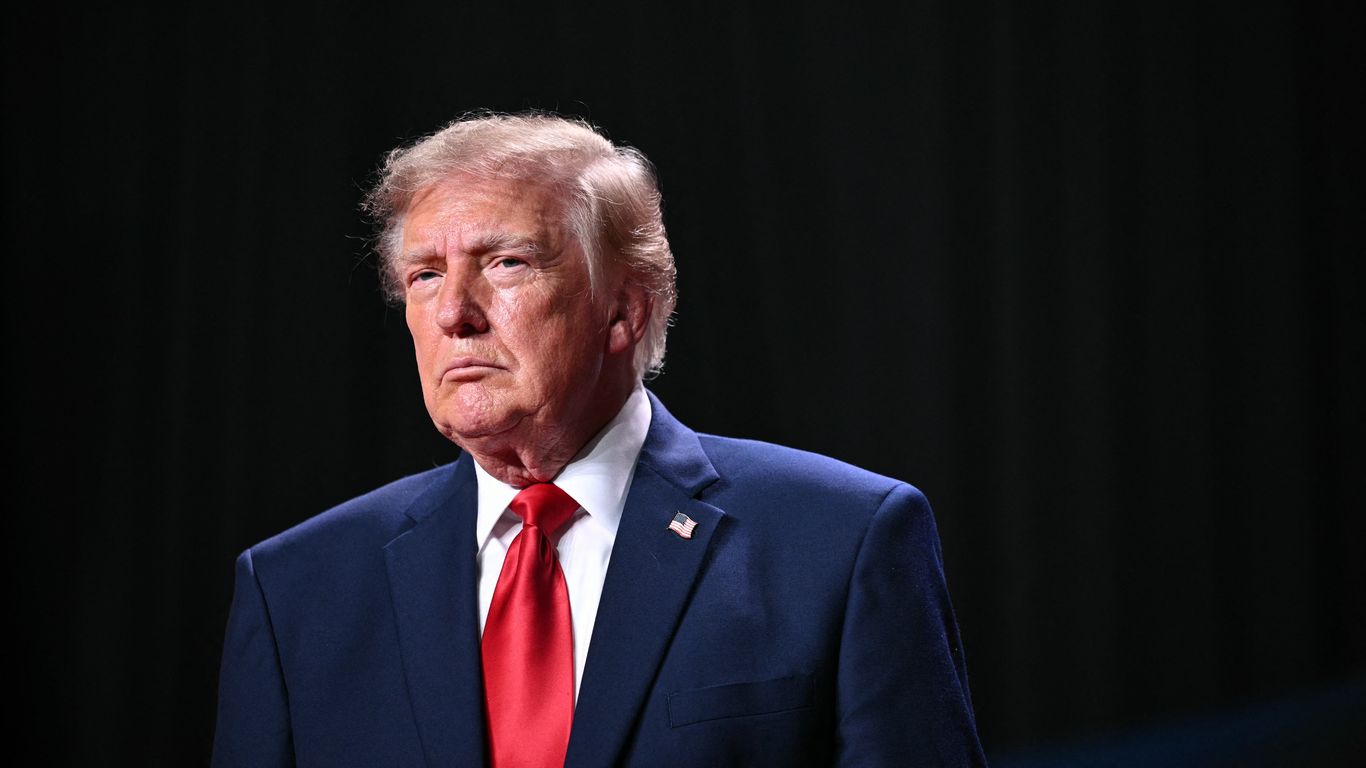
President Trump announced Friday that he's reached a deal with Russia to increase the supply of diesel to the U.S. and global markets — angering Ukraine, which called it a gift to Vladimir Putin in the midst of their war. Why it matters: The announcement, which includes a waiver on some U.S. energy sanctions against Russia, took place as Ukrainian and European diplomats arrived in Miami for talks on ending the war with Russia. What he's saying: "I have just concluded a highly successful discussion with President Vladimir Putin, of Russia, wherein it was agreed that Russia will immediately supply over 300,000 Tons of Diesel Fuel to the American and Global Marketplace, another 500,000 Tons during the month of November, and 1,000,000 Tons immediately thereafter," Trump wrote on Truth Social. Trump added that Russia will deliver," within a short period of time, 3,000,000 Tons of Diesel Fuel." Combine with oil coming out of the Strait of Hormuz, Trump wrote, "Diesel Prices for Americans and, indeed, the World, will be COMING DOWN, IN RECORD NUMBERS, AND FAST!" "Today, at President Trump's direction, the Office of Foreign Assets Control (OFAC) is immediately issuing a temporary general license to allow the supply of Russian diesel to the global market," the Treasury Department said in a statement. Friction point: Ukrainian President Volodymyr Zelensky responded angrily to Trump's announcement, writing on X that any sanctions relief for Russia outside of a "lasting de-escalation agreement ... is an obvious weakness." "Gifts to Putin will not bring peace or any benefit to the civil