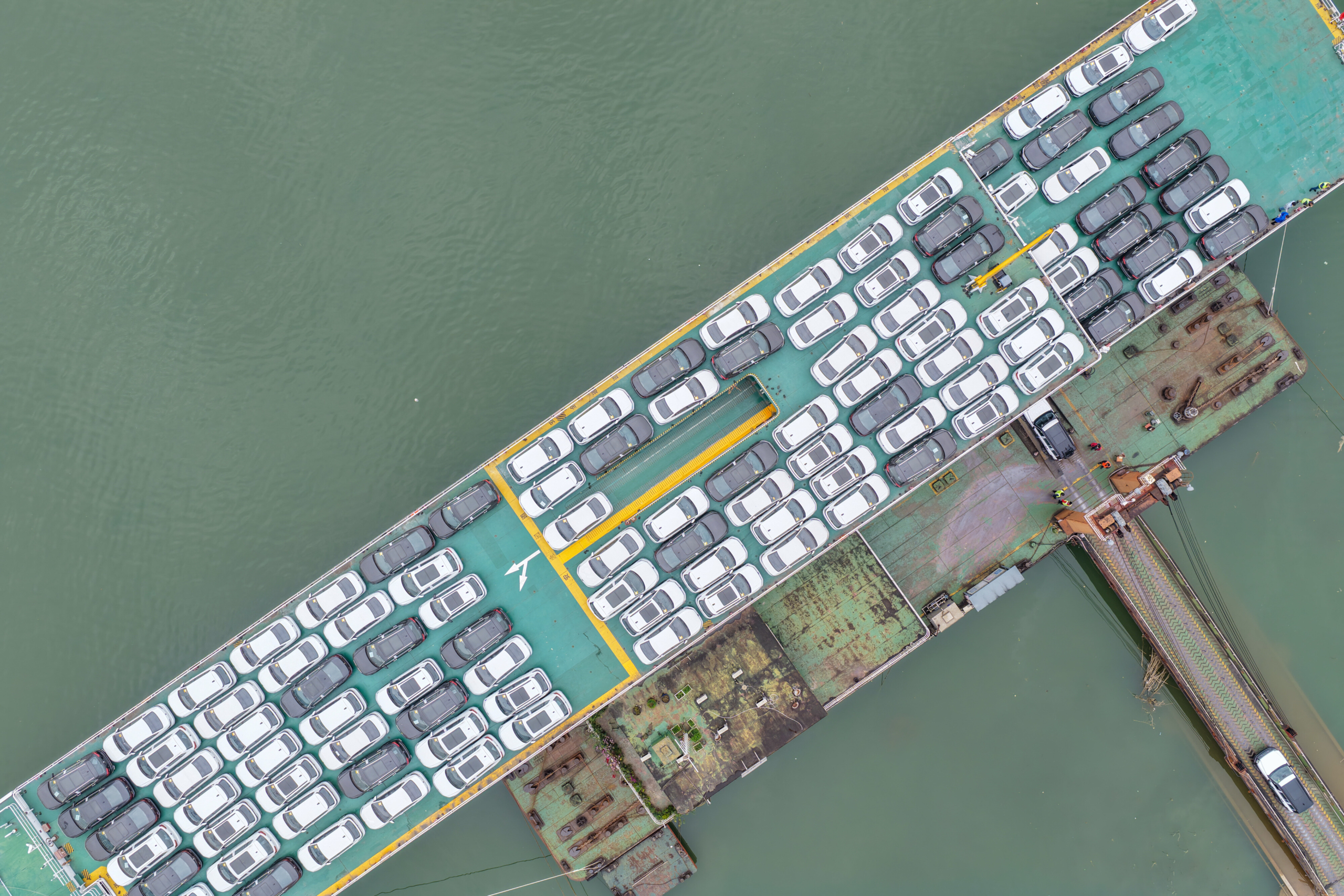
The Northern Sea Route matters less for its cargo than for what it does for Russia and China. The post China-Russia Cooperation in the Arctic: The Northern Sea Route appeared first on Geopolitical Monitor .
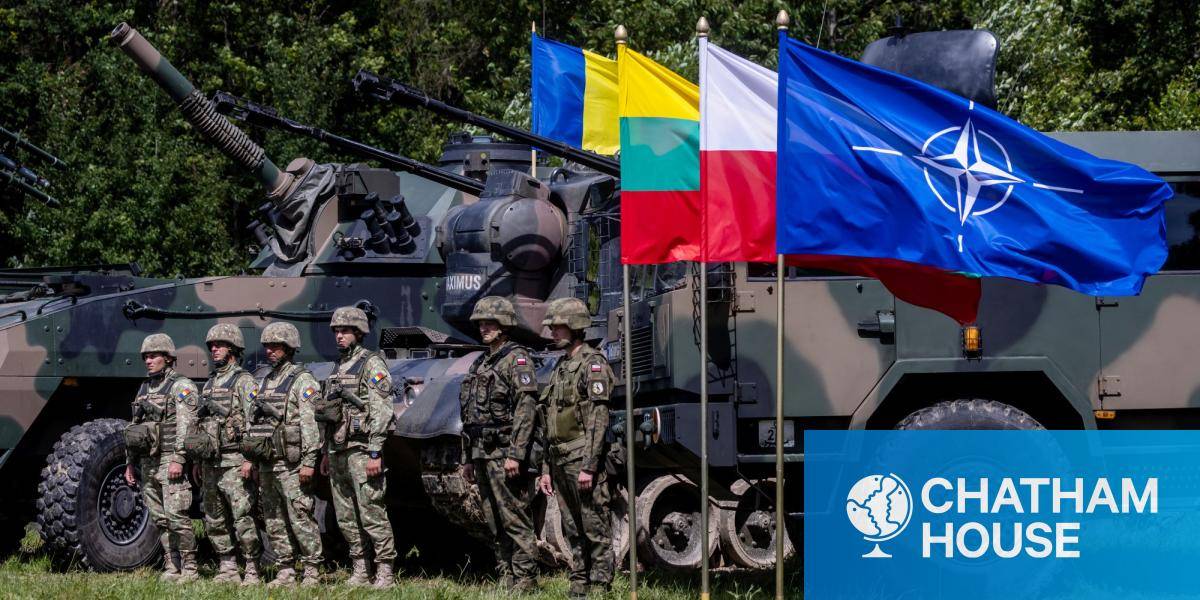
Russia’s Kaliningrad threats show the value of Baltic preparedness Expert comment jon.wallace 7 October 2026 Moscow’s nuclear rhetoric should be taken seriously. But Baltic states know grey zone attacks and territorial incursions are equally serious threats. Vladimir Putin always chooses his words carefully. If Russia faced a direct attack on Kaliningrad (its enclave on the Baltic Sea), he warned on 1 October, the use of ‘all weapons in (our) country’s arsenal’ would inevitably be on the table. The statement followed an earlier Russian note to NATO, threatening nuclear escalation if the alliance were to isolate Kaliningrad. NATO, thus far, has responded with restraint. Secretary General Mark Rutte said there was no imminent Russian threat and rebuffed Moscow’s nuclear rhetoric . But this skirmishing has pushed Kaliningrad – and NATO’s Baltic borders with Russia – back into the spotlight. Kaliningrad is not just any territory for the Russians. At the Yalta and Potsdam conferences of 1945, Soviet leader Stalin asserted his claim to what was then known as Königsberg. It was, he said, necessary for Russia to have at least ‘ one ice-free port ’ at the expense of Germany. The US and UK consented, and Moscow gained a permanent military position on the Baltic Sea. After the collapse of the Soviet Union and the withdrawal of the Baltic states to become independent democracies, Kaliningrad’s geographical isolation from Russia became more apparent, creating one of the most peculiar pieces of land on the continent. Today the enclave hosts Russia’s Baltic Fleet, missile systems and comb
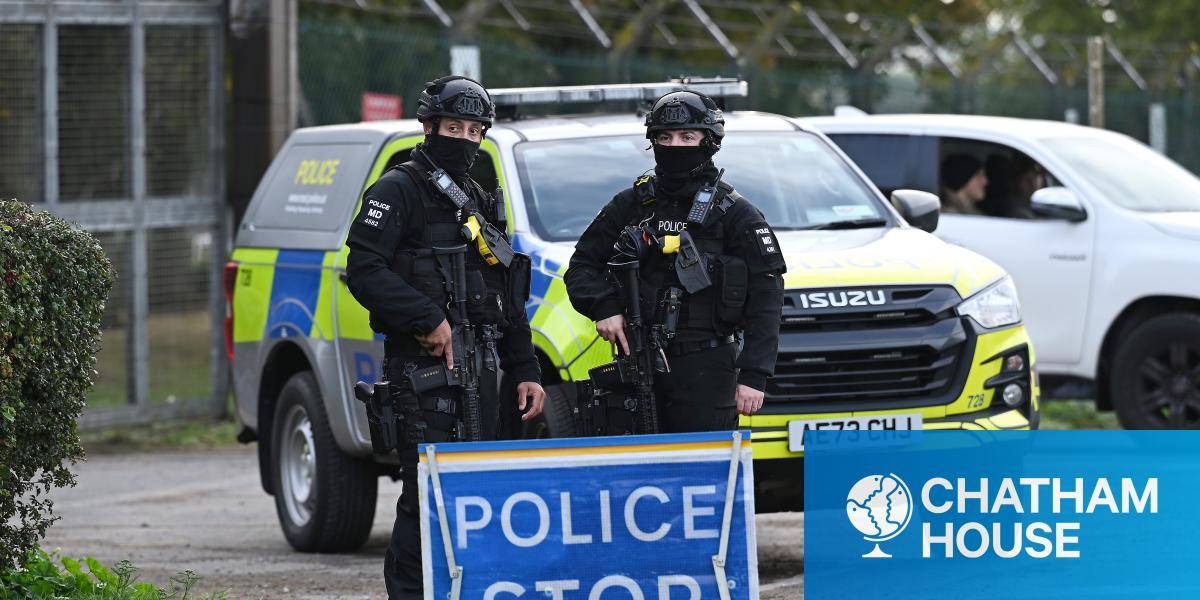
After the RAF Fairford incident, the UK should develop its homeland defence forces Expert comment thilton.drupal 7 October 2026 The threat of hybrid attacks from Iran and Russia means the UK should develop a force dedicated to protecting its bases and infrastructure at home. Finland and Poland offer lessons. The US’s withdrawal of its bombers from RAF Fairford, following a suspected terror plot against the base, has brought attention to how the UK defends its homeland military bases and other critical infrastructure. The UK government has insisted RAF Fairford is safe following the arrest of five men near the base on 27 September. President Donald Trump said the US withdrew its bombers from the base because of an unspecified ‘threat’ to the base. The investigation into the incident is still ongoing. Prime Minister Andy Burnham said that there are ‘strong indications that Iran played a part,’ which Iran’s embassy in London has rejected. In March, the UK approved a US request to use RAF Fairford for what it described as defensive strikes on Iran. Tehran responded that any base used for ‘aggression against Iranian territory’ would be a ‘legitimate target’ for its forces. Bases such as Fairford have their own protection forces that guard the perimeter. But incidents like this highlight the need for the UK to improve its wider homeland defence forces in the face of sustained pressure from hostile actors such as Iran and Russia. While the UK has specialist counter-terrorism units that can respond to incidents, and its armed forces and reserves can be deployed domestically to aid
On 15 and 18 September, SIPRI experts took part in the annual EU Non-Proliferation and Disarmament Consortium (EUNPDC) Consultative Meeting in Brussels.
A notable degree of participative democracy has firmly arrived in Europe. But to have more far-reaching impact, democratic deliberation needs to move into a radically new phase.
Richard YoungsPolitical Reform, Civil Society, Democracy, EU, Europe, Western Europe
Much has been said of the changes Brussels is trying to make to the EU enlargement process. Here’s why gradual integration might—or might not—be the answer.
Dimitar BechevEU, Foreign Policy, Trade, EU Enlargement, Europe, Ukraine, Georgia, Moldova, Western Balkans, Türkiye
Applications are now open for an intensive online course on weapons of mass destruction (WMD) non-proliferation and disarmament in an era of technological convergence.
Sovereignty is not solitude: Canada’s strategy for democratic technology leadership 13 October 2026 — 12:00 TO 13:00 BST Anonymous (not verified) 6 October 2026 Chatham House and Online Hear from Canada’s Minister of Artificial Intelligence and Digital Innovation, Evan Solomon, on how trust, opportunity and sovereign control are shaping Canada’s approach to artificial intelligence, economic growth and international partnership. Hear from Canada’s Minister of Artificial Intelligence and Digital Innovation, Evan Solomon, on how trust, opportunity and sovereign control are shaping Canada’s approach to artificial intelligence, economic growth and international partnership. This event will explore how Canada is translating its AI strengths into greater productivity, prosperity and better public services, and how deeper cooperation with partners such as the UK can strengthen AI safety, resilience and shared economic opportunity. This event discusses: What does sovereign control mean in an interconnected AI economy? And why does sovereignty not mean isolation? What are Canada’s strengths as AI transforms economies, public services and national security? How can countries build trust in AI while accelerating innovation and adoption? How can investment in talent, literacy, research and key industries create new economic opportunities and better public services? How can Canada and the UK work together work together to strengthen AI safety, resilience and democratic technology leadership?
Introduction In the spring of 2025, eleven EU health ministers described Europe’s dependence on Chinese medicines as the weak point in Europe’s defense. The warning was accurate but largely ignored. For twenty of fifty-six active pharmaceutical ingredients (APIs) that German regulators classify as essential to supply, enough of the world’s production sits in China that […]
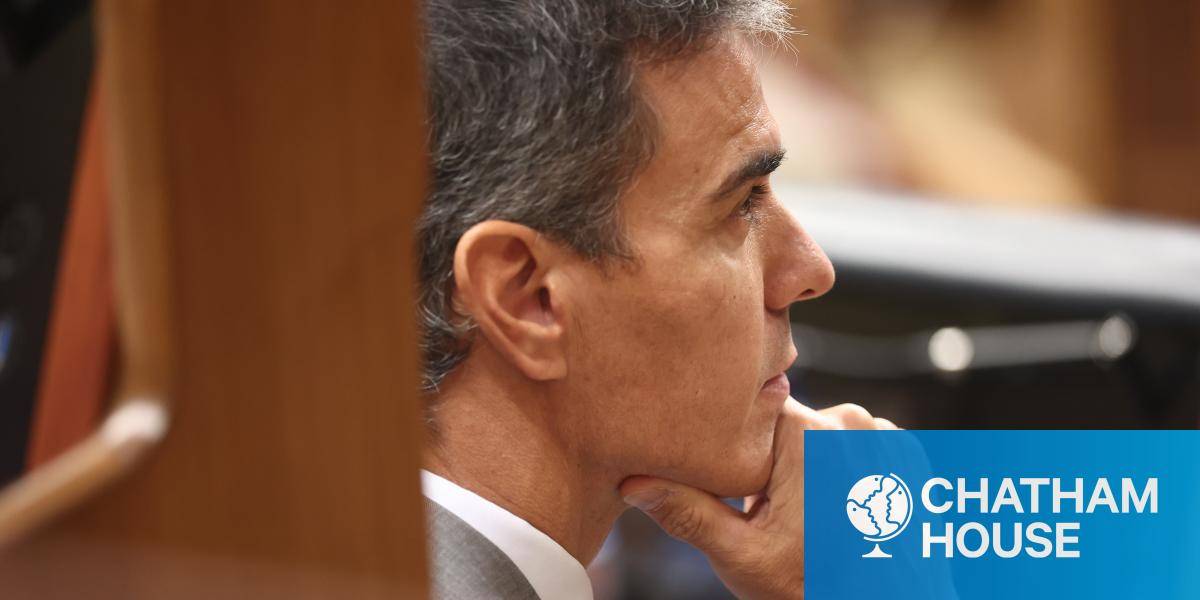
Sánchez’s gamble: This ‘all-in’ election will have international impact Expert comment jon.wallace 5 October 2026 Announcing the election, Sánchez set himself in opposition to President Trump and Javier Milei as well as Spain’s populist right. Much will depend on the prime minister’s ability to rally a fragmented left. The decision by Prime Minister Pedro Sánchez to call a snap election is a risky move, but he will have felt he had little choice. His decision fires the starting gun on a year of vital and polarized elections across Europe. The announcement is not entirely unexpected. Spain was required to hold an election by August 2027 anyway. And Sánchez’s multiparty coalition has looked fragile since it formed in July 2023: it has not passed a full budget since. In January, the government approved a decree that regularized the status of 500,000 undocumented migrants and asylum seekers – a move unusual among EU countries generally committed to tightening migration restrictions . In July, the Spanish enclave of Ceuta was overwhelmed by a surge of tens of thousands of migrants, leading to criticism of government policy from within Spain and abroad, including US President Donald Trump. This month, a new issue has arisen, as protests grow over housing affordability. The protests prompted the government to introduce emergency legislation, only to see the bill rejected by Spain’s Parliament late last week. This gave Sánchez his opening to call a general election, arguing that ‘to do more, we need to renew and broaden the support of the people’. What are Sánchez’s chances? Sánche
The US tariff on India's Russian oil was always a bargaining chip, not a stand on principle. The post Trump’s India Tariffs over Russian Oil Were Never about Principle appeared first on Geopolitical Monitor .
Vidushi SaxenaAll, Energy Sector, India Politics, Trump Tariffs
Despite a new textbook, an influx of Russian teachers and managers, and an end to the teaching of Ukrainian, the Kremlin is unlikely to have “reprogrammed” locals.
Konstantin SkorkinEducation, Foreign Policy, Ukraine, Russia
Members' Book Club: The history of Chatham House 12 November 2026 — 17:30 TO 18:30 GMT Anonymous (not verified) 4 October 2026 Chatham House and Online Join us for the second in the series of our new members’ exclusive Chatham House Book Club, on ‘Chatham House: The First Hundred Years’. Marking the publication of a new history of the Institute, this event explores why Chatham House was founded, how its work evolved and what its first century reveals about the future of independent international debate. Hear from editors, contributors, and current Chatham House staff on the history of the organisation that began life as the British Institute of International Affairs in 1920, and within a few short years had acquired a Royal Charter, a Rule and the magnificent London headquarters by which it would become known worldwide - Chatham House. This members’ exclusive Book Club event reflects on the Institute’s first century. Their accounts trace how research and in-person meetings responded to global political changes over decades. That history provides a lens on the pressures facing democratic societies and international cooperation today. This event discusses Why was the Institute founded in 1920 and what challenges did it address? How has Chatham House responded to major geopolitical shifts? Which achievements, tensions and personalities shaped its development? What does the book reveal about the Chatham House Rule and convening role? What does the Institute’s history suggest about its future relevance and impact? The Chatham House Book Club is a new space for members to explore