Council on Foreign RelationsArticle
The United States Discovers Soviet Missiles in Cuba
On October 15, 1962, senior U.S. officials learned that their fears had come true—the Soviet Union was installing nuclear-armed ballistic missiles in Cuba.
Thu, 15 Oct 2026
On October 15, 1962, senior U.S. officials learned that their fears had come true—the Soviet Union was installing nuclear-armed ballistic missiles in Cuba.
A U.S. Air Force reconnaissance flight photographed evidence that the Soviet Union was installing nuclear-armed ballistic missiles in Cuba, touching off the Cuban Missile Crisis.
Europe, Brazil and beyond: Is the populist wave gathering momentum? Audio sseth.drupal@c… 9 October 2026 In this week’s episode of Independent Thinking, our experts discuss the expected shift to the right in Spain, France, Germany and Brazil’s upcoming elections. The rightward movement in democracies in Europe and beyond shows little sign of slowing. Germany has elected its first far-right regional government in Saxony-Anhalt. In France, voter anger with Emmanuel Macron puts the Rassemblement National’s Marine Le Pen in pole position for the presidency. In Spain, Pedro Sánchez called a snap election in an attempt to mobilise the beleaguered left around Spain’s housing crisis. And Flávio Bolsonaro’s success in the first round of Brazil’s presidential elections suggests a second round of anti-woke, pro-Trump bolsonarismo is on the cards. What is driving politics to the populist right? And what does it mean for global security, stability and efforts to preserve what’s left of the rules-based order? Bronwen Maddox is joined by Grégoire Roos, director of our Europe and Russia and Eurasia Programmes; Nic Lawley, special adviser to the director of Chatham House; and Dr Christopher Sabatini, director of our Latin America Programme. About Independent Thinking Independent Thinking is a weekly international affairs podcast hosted by our director Bronwen Maddox, in conversation with leading policymakers, journalists and Chatham House experts providing insight on the latest international issues. More ways to listen: Apple Podcasts and Spotify . Explore our other Chatham House podcasts .
On Our Radar scans conflicts and crises around the globe every week and features some of the hotspots Crisis Group’s analysts are closely watching. Whether an under-reported trend or a headline-grabbing development, our field experts explain why it matters or what should be done.
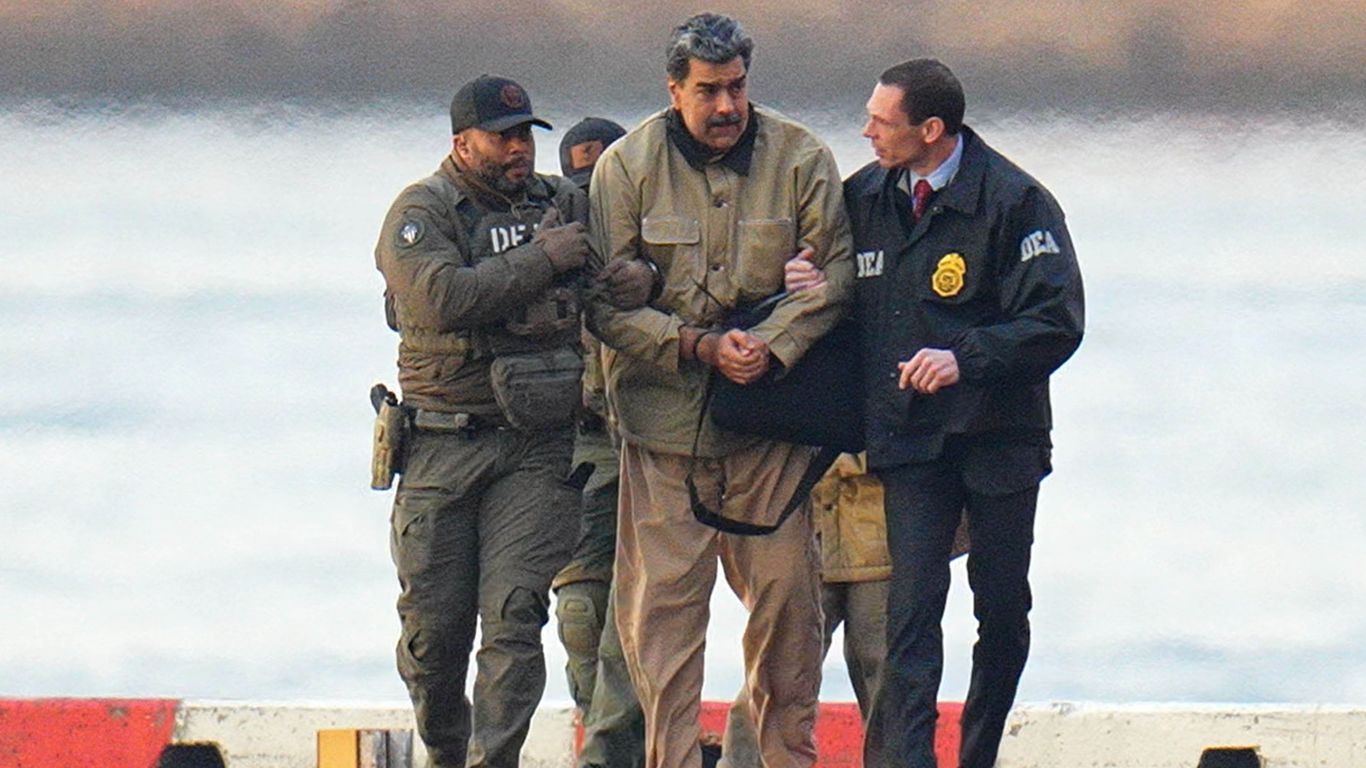
Prosecutors accused former Venezuelan President Nicolás Maduro and his wife of orchestrating the torture of people held in his regime's custody, piling onto the narcoterrorism charges they already face in a fresh indictment unveiled Thursday. The big picture: The charges add new fuel to the historic prosecution seeking to hold the strongman-turned-prisoner accountable for alleged crimes against Americans and alleged abuse of power. Maduro and his wife, Cilia Flores, pleaded not guilty in January to drug- and weapon-related charges. They have been held in the U.S. since their stunning capture from Caracas earlier this year. Maduro's attorney did not immediately respond to Axios' request for comment. Driving the news: Maduro "authorized the use of torture against specific individuals and oversaw a system designed to use torture, arbitrary detention, and violence as a means of repression against the political opposition," a superseding indictment filed in the Southern District of New York alleged. The new indictment charges Maduro and Flores with conspiracy to commit torture, alleging they engaged in a conspiracy to inflict "severe physical and mental pain and suffering to repress and punish political opposition." What's inside: The indictment outlines a series of disturbing torture tactics — including electrocution, beatings, isolation and simulated drowning — allegedly employed at Maduro's direction to quell political opposition. "As opposition to the ruling regime intensified," Maduro allegedly "continued to oversee the development of a more systematic approach to unlawfull