Faction fight: How Europeans can better influence American foreign policy battles
Factional struggles around the US president have left Europe at the mercy of competing foreign policy agendas. But European disunity only undermines European interests
Thu, 15 Oct 2026
Factional struggles around the US president have left Europe at the mercy of competing foreign policy agendas. But European disunity only undermines European interests
As European leaders hobnob with their counterparts at the 81st session of the United Nations General Assembly, they must think carefully about how to navigate a fast-changing multilateral landscape. The old world belonged to rule-makers and institution-builders, but the current one favours those who can improvise
Britain is the custodian of a global order that no longer exists. Its international approach should now centre innovative cooperation and building strong coalitions with like-minded partners
The UAE built its power by turning itself into a hub that binds it to every great power at once. The war with Iran has tested this strategy and is forcing a rethink in Abu Dhabi
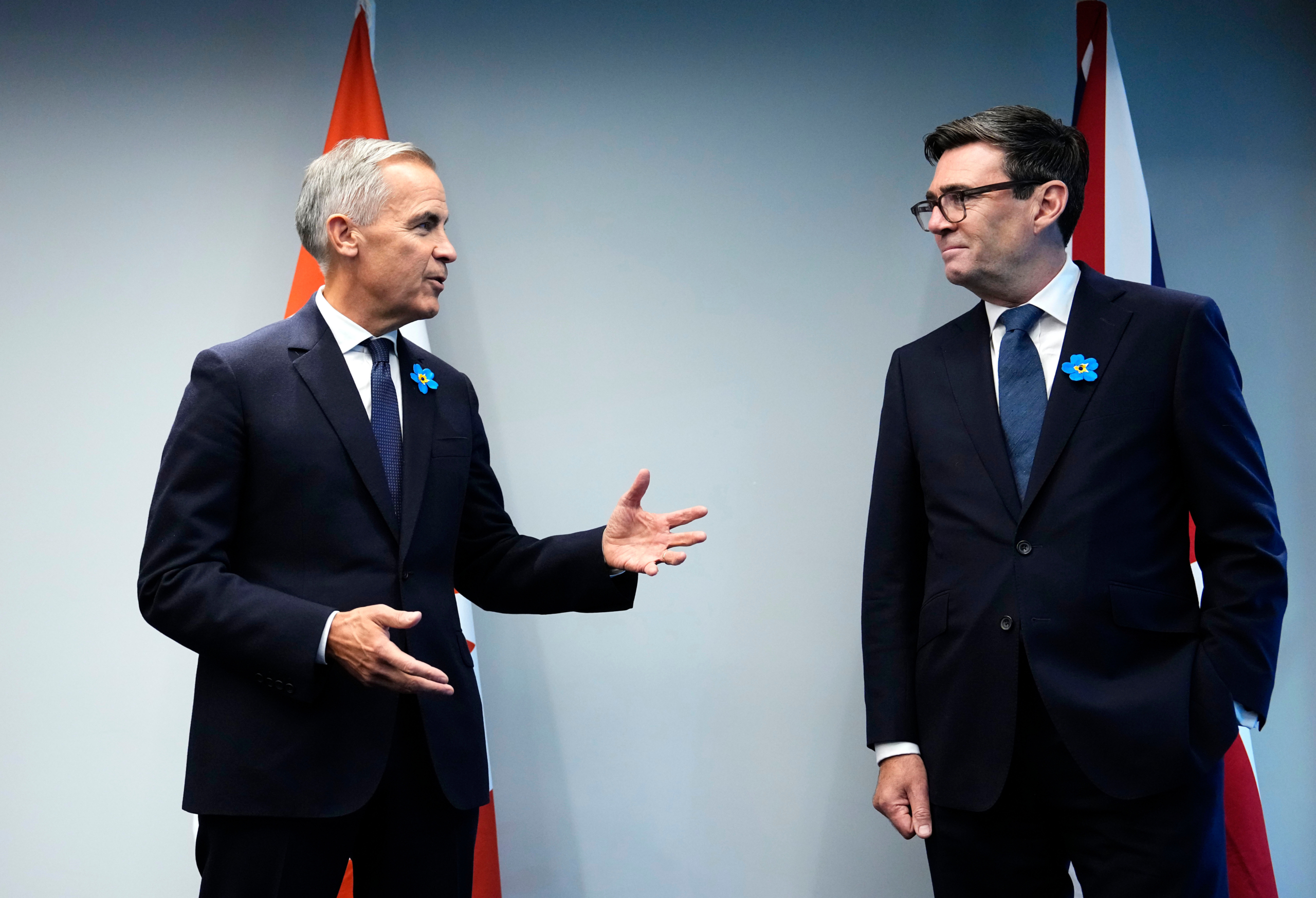
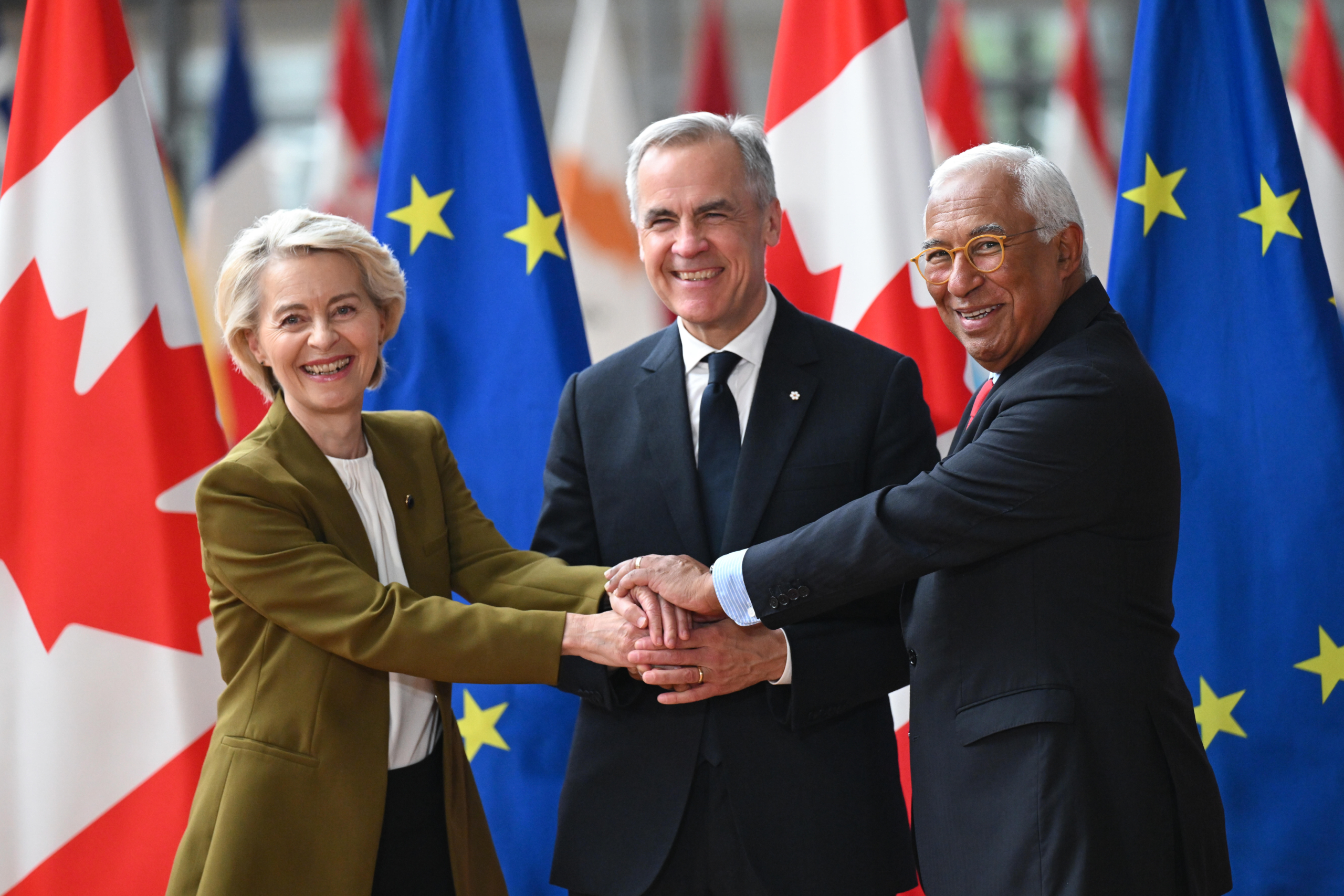
Canada’s enthusiasm for closer EU ties is real, and so is the EU’s need for allies beyond America. But as long as the EU’s offer of “associate membership” to Canada remains undefined, it risks ending up as empty symbolism
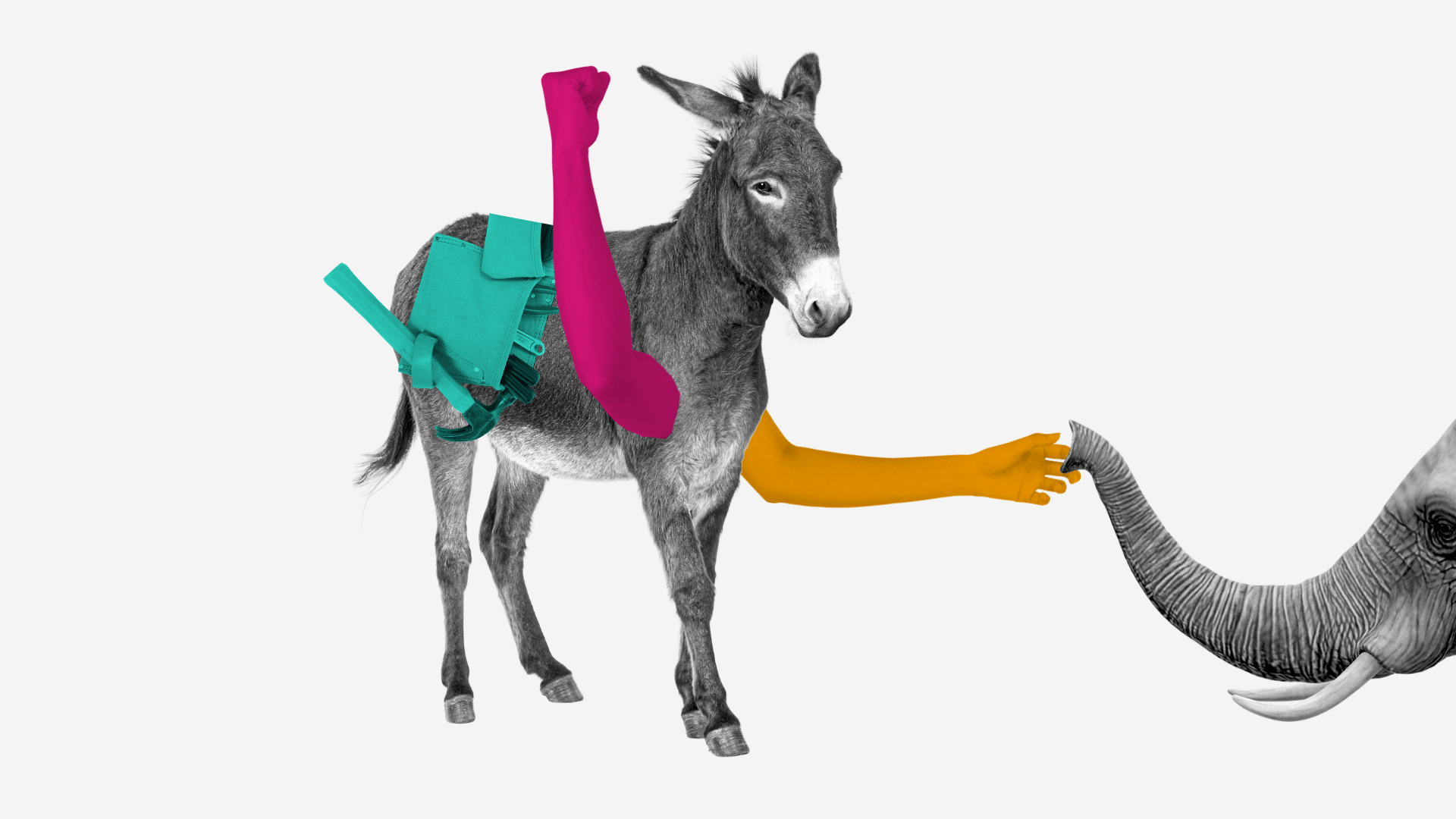
The race for US midterms reveals a rapidly changing Democratic party. Europeans must understand and engage its three camps well before the party could take power
The world is undergoing a historical and cultural rupture. Just as Hollywood and other American exports once gave the rest of the world a glimpse of modern life and the future that awaited them, China is now doing the same for African, Latin American and even American young people
Trump is pushing Canada—a quiet military powerhouse—away from America. The EU should seize the chance and fold it into its own defence
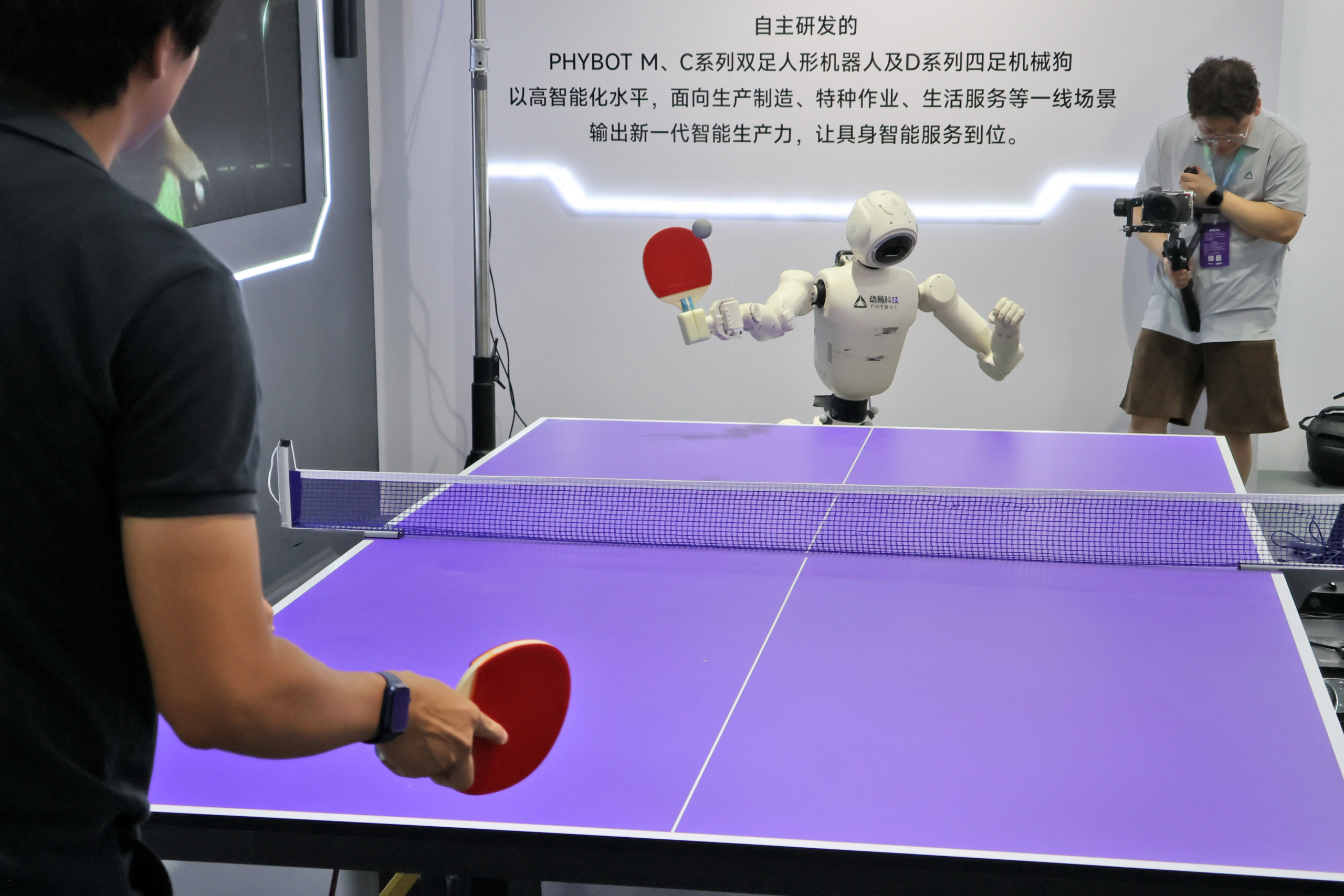
Weapons that took decades to develop can now be countered within months. European governments need to stop buying finished platforms and start running an innovation cycle, in which soldiers learn from one system and build these lessons into the next
Germany’s political centre is crumbling—but its leaders appear unable to get ahead of the impending crisis
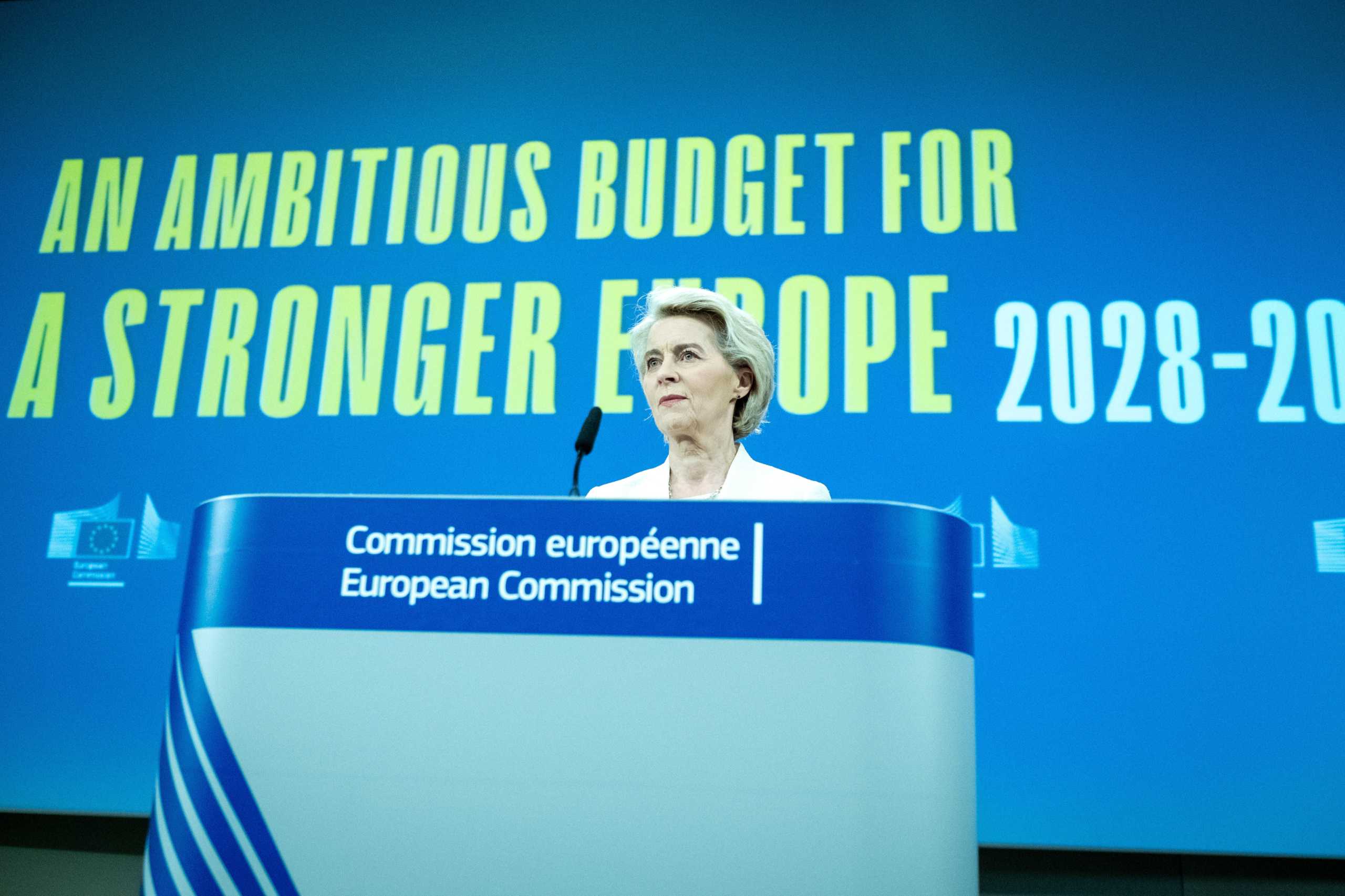
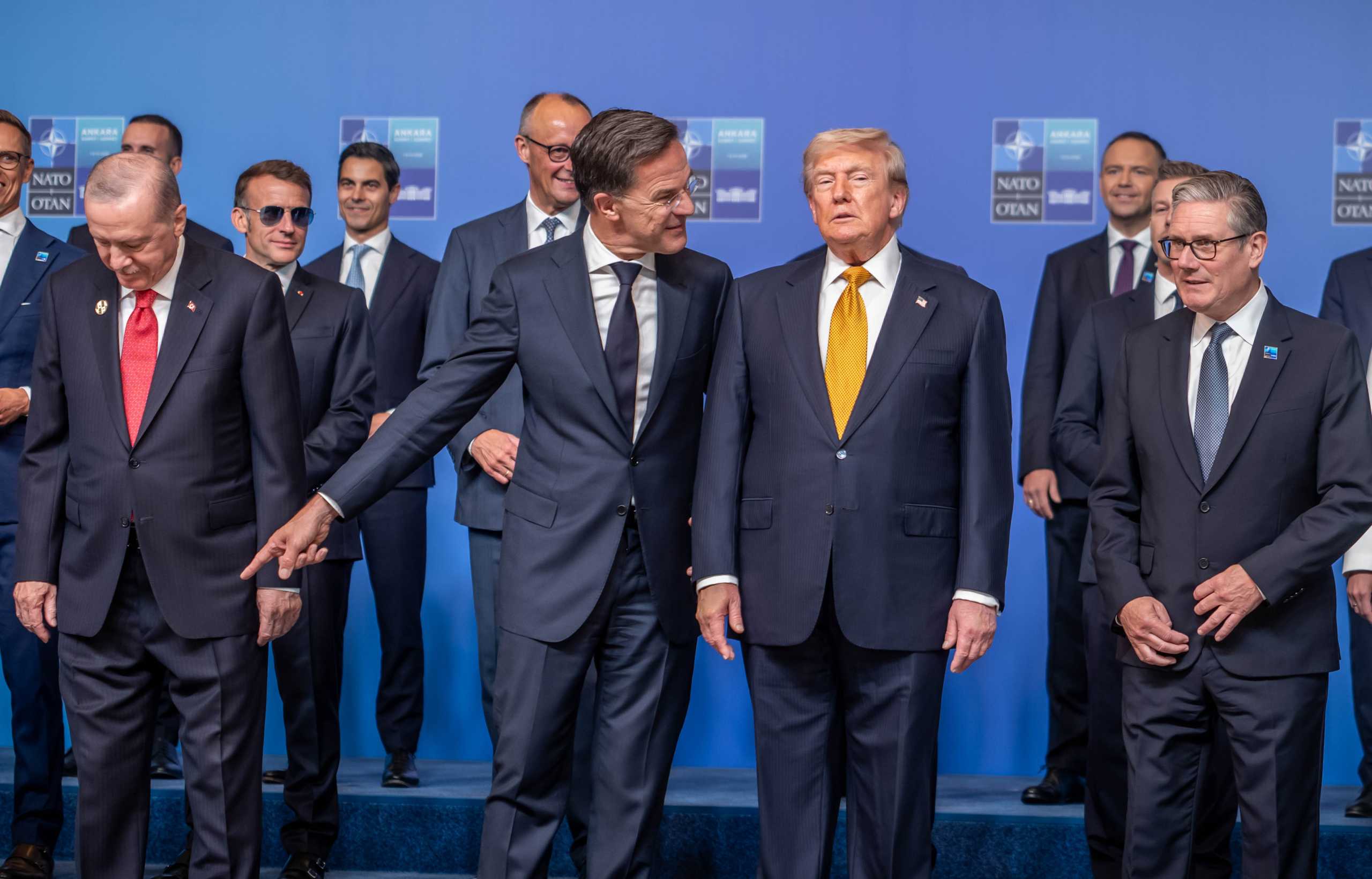
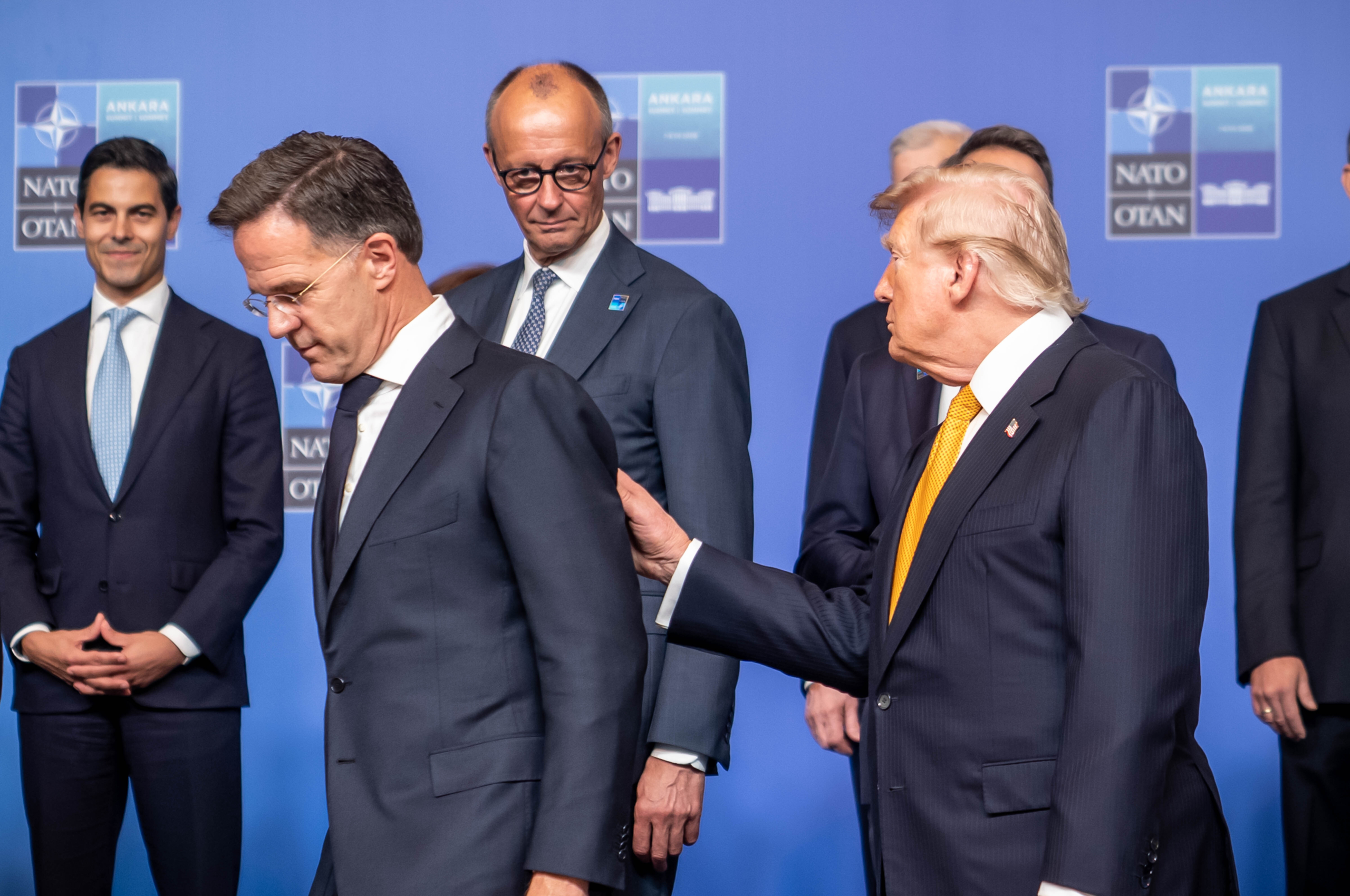
At July’s NATO summit in Ankara, European leaders accepted that they must carry more of their own defence. Turning that promise into money means winning a fight over the EU’s next seven-year budget, against coalitions that have defended farm and cohesion spending for decades
Anti-corruption sanctions—and even the prospect of them—under the next US administration will be crucial to chances of peace in many parts of the world. Here’s how Europeans can play their part
Whether you’re heading off on holiday or staying home this summer, ECFR’s entertainment recommendations—spanning books, podcasts and tv series—will help you reconnect with your internal and external wellbeing
Some European leaders seem to think that abasing themselves for Donald Trump’s pleasure is necessary to save NATO and keep the Western alliance alive. But by so desperately clinging to the good old days of the transatlantic relationship, Europe’s leaders are risking more than just their dignity
With American competitiveness declining, the EU has a chance to offer tech start-ups something better. To create this new generation of EU Incs, the bloc will first need to better align its regulation and resources
In Bosnia and Herzegovina, the United States is focused on doing business, at the expense of peace. There are ways for Europeans to acquire a veto over these destabilising activities; but the Trump administration may yet replicate this approach across the globe.
The next Trump crisis will come. European governments facing American pressure will need to weigh the costs and benefits of their responses. Here are two scenarios to show what resistance costs, and why those costs are lower than they appear
The US under Trump will seek new ways to coerce Europe economically. Here is how Europeans can resist the pressure and emerge stronger for it.
A major ECFR poll finds the European public, in a time of rupture, thinking differently and questioning old assumptions. It reveals new political space available to their leaders (for now) and challenges them to use it
As American leadership wanes, middle powers are stitching a patchwork order through new approaches to conflict mediation, connectivity and development. Although these formats are fragmented and opportunistic, Europe should engage with them pragmatically.