Trump has promised Belarus a massive potash deal. But Minsk is seeking something greater: restored Western transit and greater room for maneuver from Russia.
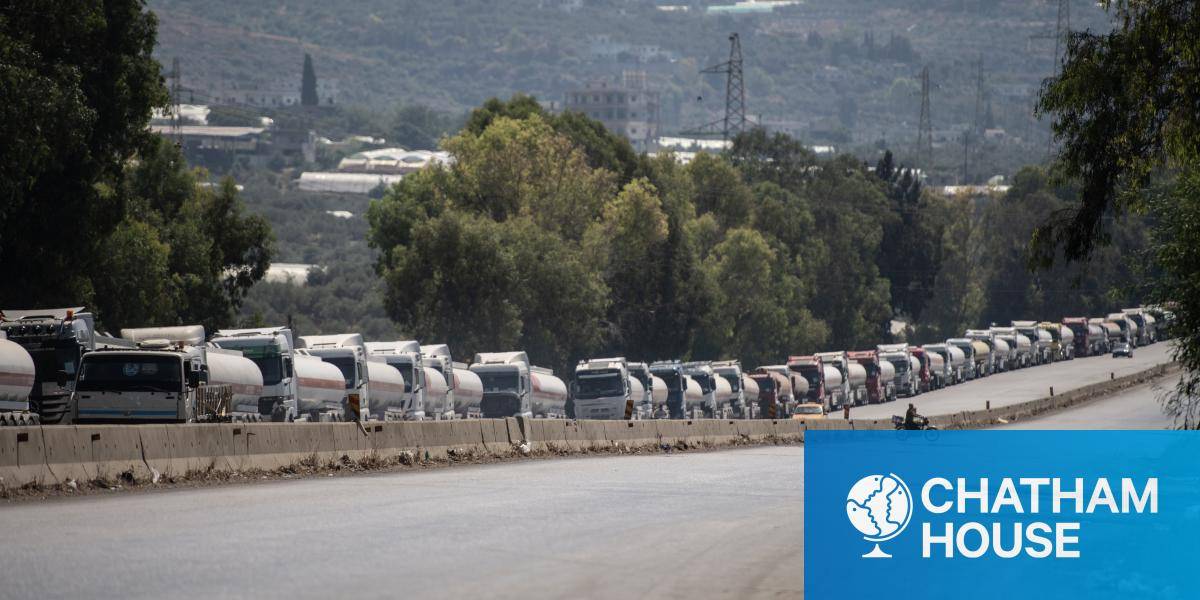
New energy and trade routes could bypass Hormuz and change the Middle East. But major challenges remain Expert comment thilton.drupal 25 September 2026 The Strait of Hormuz crisis is accelerating a wider reordering of the region, as Iraq, Syria and Lebanon plan new oil pipelines and transport corridors. But whether they can seize the opportunity to diversify will ultimately depend on wider reforms. The war on Iran and the resulting disruption to the Strait of Hormuz has exposed the vulnerability of existing trade and energy routes and unsettled the old balance of power across the Middle East. In this context, Iraq, Syria and Lebanon are seeking to capitalize on their position between Europe and the Gulf and improve their connectivity via oil and gas pipelines, roads, railways and digital corridors. Once central to an Iranian regional order, all three governments are now aiming to achieve greater sovereignty by diversifying their economic ties, a shift supported by the Trump administration. Yet they are attempting to do so while facing foreign occupations and military action, and while also confronting domestic endemic corruption and fragmented political systems that empower armed groups. Whether they can seize this opportunity to become more connected – and more sovereign – will therefore depend not only on the infrastructure they build, but on whether they can reform their states to govern it. Changing energy routes The effective closure of the Strait of Hormuz has caused severe disruption to regional energy flows, including from Iraq. Pre-war, Iraq was exporting around 3.
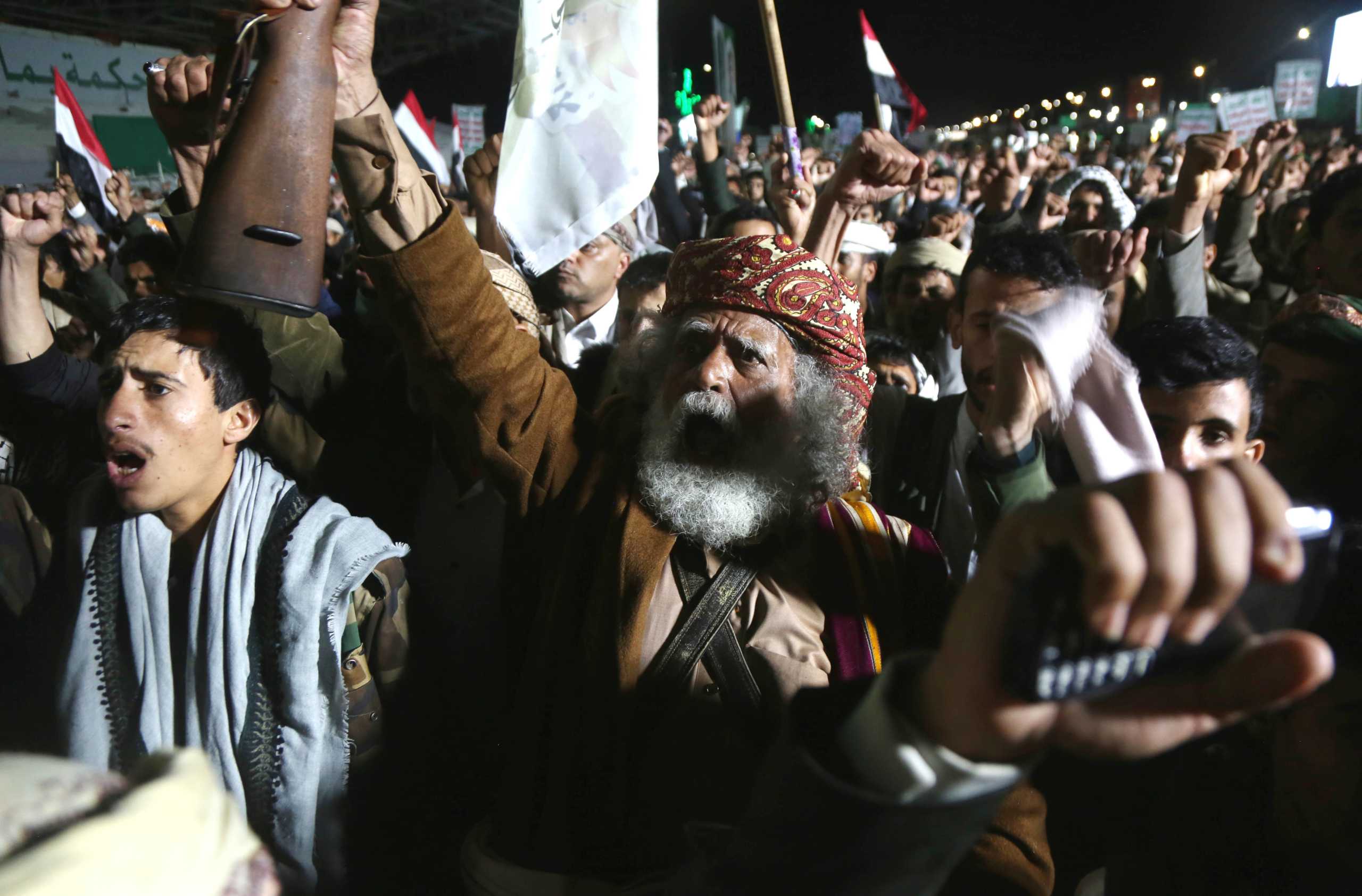
Houthi advances now threaten Saudi Arabia’s most viable oil-export route. Europeans should strengthen Riyadh’s maritime and air defences, and mobilise a wider diplomatic coalition to end the US-Iran war driving the escalation
Pia JakobiMiddle East and North Africa, Iran, Yemen, Policy Alert, Cinzia Bianco, Ellie Geranmayeh, Julien Barnes-Dacey
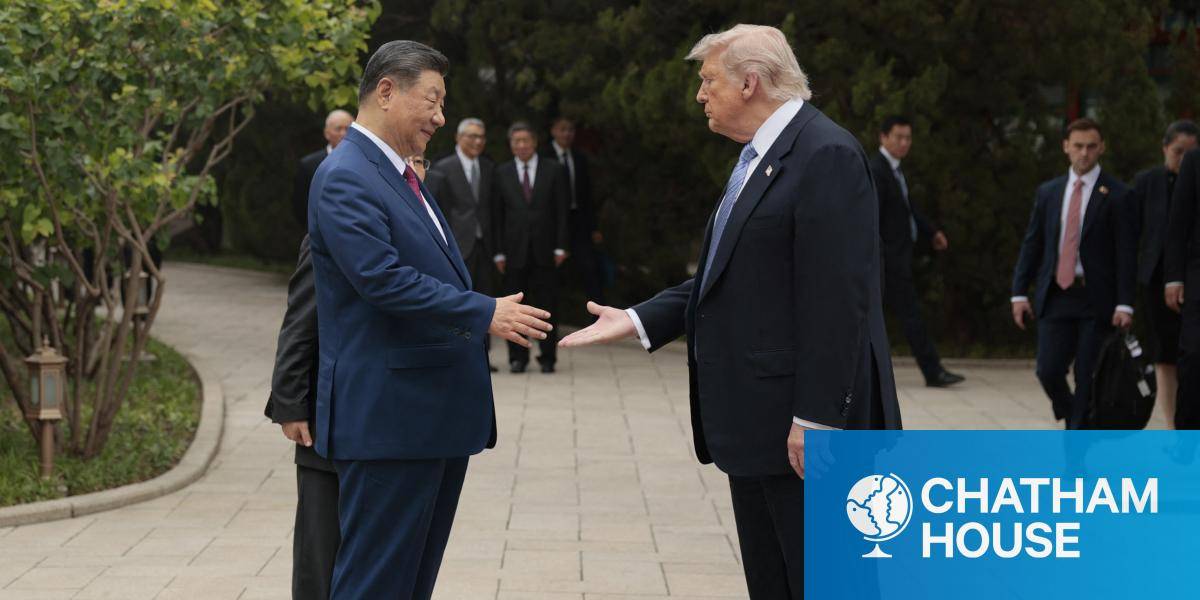
Trump–Xi summit: Why the US and China should not underestimate each other Expert comment LToremark 22 September 2026 The US and China both face serious domestic strains. As Trump and Xi meet this week to discuss trade, AI and Taiwan, neither side should mistake the other’s weaknesses for strategic decline. A superpower summit is a big deal. As US President Donald Trump and China’s President Xi Jinping meet in Washington this week, they have a lot to cover. They will try to extend a trade truce that expires in November, including China’s pause on rare earth export controls and America’s delay on chip restrictions. The leaders will also tackle Taiwan, where Beijing wants Washington to halt a $14 billion arms package, as well as China’s purchases of Iranian oil and a proposed dialogue on the national security risks of artificial intelligence (AI). In their negotiations, each side may be tempted to focus on the other’s weaknesses. But underestimating the other’s power would be unwise. China has many weaknesses – but should not be underestimated Many observers argue that China’s economic vulnerabilities will limit its international ambitions. Its growth model is faltering; its households still are not spending, so Beijing continues to push surplus production overseas. This has provoked a backlash of trade barriers from the US, EU and beyond. The property sector – once a quarter of the economy – is in its fifth year of slump, while a mountain of hidden local government debt threatens to drag down China’s growth for years to come. Meanwhile Xi’s government has become steadily more
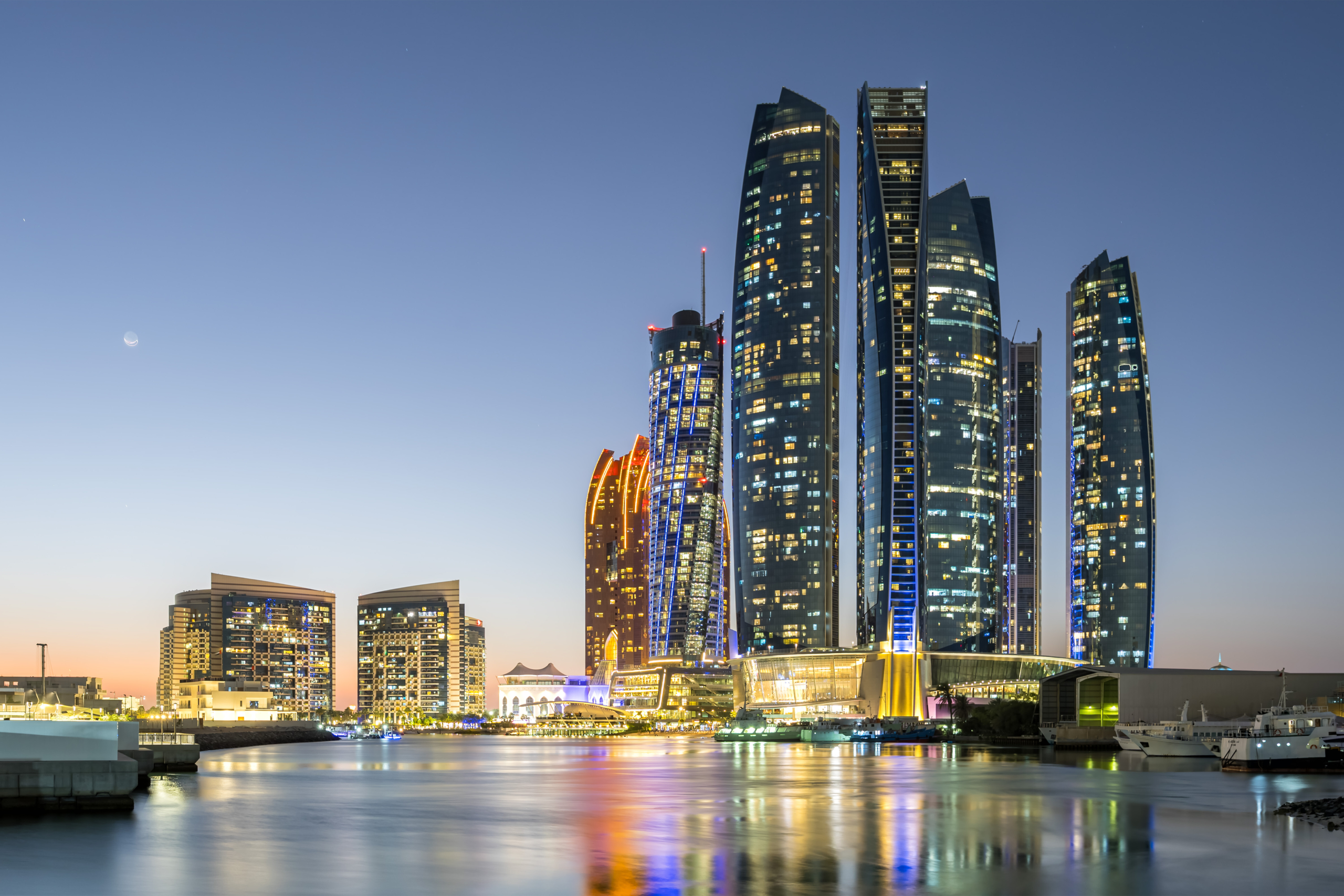
The UAE built its power by turning itself into a hub that binds it to every great power at once. The war with Iran has tested this strategy and is forcing a rethink in Abu Dhabi
Martin TenevEuropean Power, Middle East and North Africa, Reorder, Iran, United Arab Emirates, Cinzia Bianco, Policy Brief
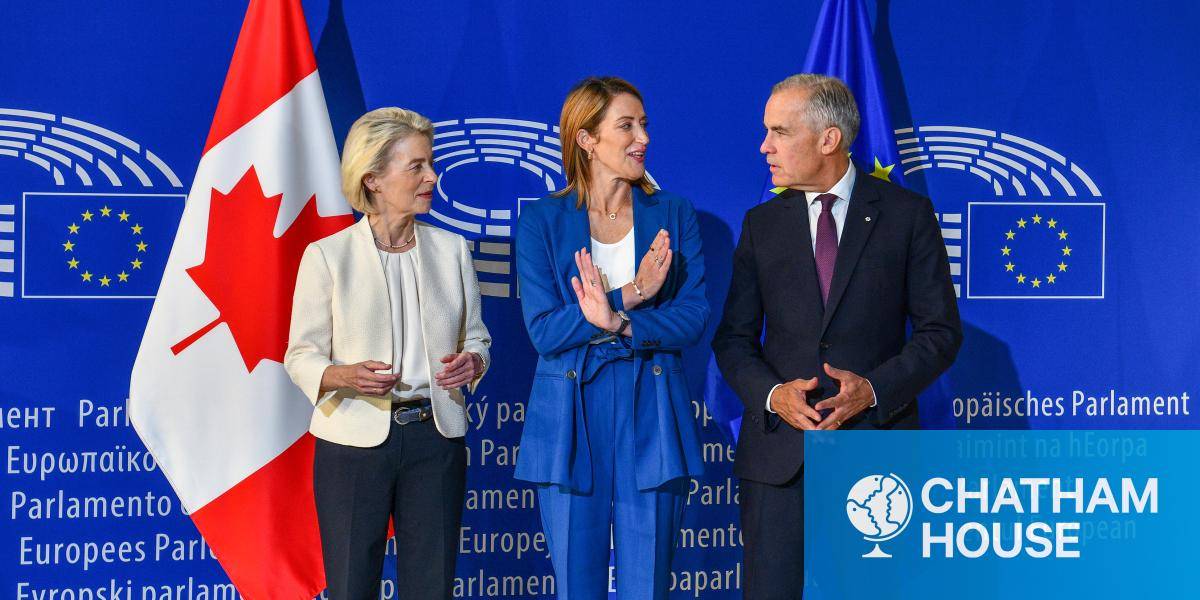
‘Coupling without fusion’: Canada and Europe test a new kind of alliance Expert comment jon.wallace 18 September 2026 The deeper relationship proposed by Carney and von der Leyen could send a powerful geopolitical message. But can agreement be reached without antagonizing EU candidate countries? There is something rather extraordinary about the geopolitical times we live in. They are making what seemed impossible yesterday possible today, and what once sounded laughable increasingly credible. This week’s proposals for closer integration between Canada and the EU undoubtedly belongs to that category. On 16 September, European Commission president Ursula von der Leyen proposed making Canada the EU’s first ‘associate member’. The next day, Canadian prime minister Mark Carney used his address to the European Parliament to set out an unusually ambitious programme of economic and strategic integration. Canada and Europe, he argued , should cooperate across critical minerals, defence production, artificial intelligence and computing, energy, space and payments. They should move towards ‘seamless’ digital trade in non-agricultural goods and services. And they should expand opportunities for young Canadians and Europeans to live, work and study across the Atlantic. Canada also eyes access to the EU’s Horizon research programme. If the concept of associate membership is yet to be properly defined – starting with meaningful legal substance – Carney’s address gave it discernible geopolitical purpose. His argument rests on a lesson he has repeated since his Davos speech in January 2026:
Corporate Leaders Series: Catherine Raw, Chief Development Officer at global resources company BHP 14 October 2026 — 09:00 TO 10:00 BST Anonymous (not verified) 17 September 2026 Chatham House Hear from Catherine Raw at BHP, the world’s largest mining company by market capitalization, on the forces reshaping global demand for resources. Hear from Catherine Raw at BHP, the world’s largest mining company by market capitalization, on the forces reshaping global demand for resources. Trade volatility, the energy transition and state intervention are reshaping demand for strategic resources. In this Corporate Leaders Series event, BHP Chief Development Officer Catherine Raw examines how capital, policy and supply chains are increasingly interconnected, and what effective leadership looks like as global demand continues to grow. This event discusses: What is driving global demand for copper, iron ore, steelmaking, coal and potash? How are trade and industrial policies reshaping resource investment decisions? What role can strategic partnerships play in strengthening supply chains? How should resource companies balance the energy transition with near-term cost pressures? What does effective global leadership look like in volatile markets? If you are not a corporate member of Chatham House but would still like to attend, please email the Conferences team to apply to attend.
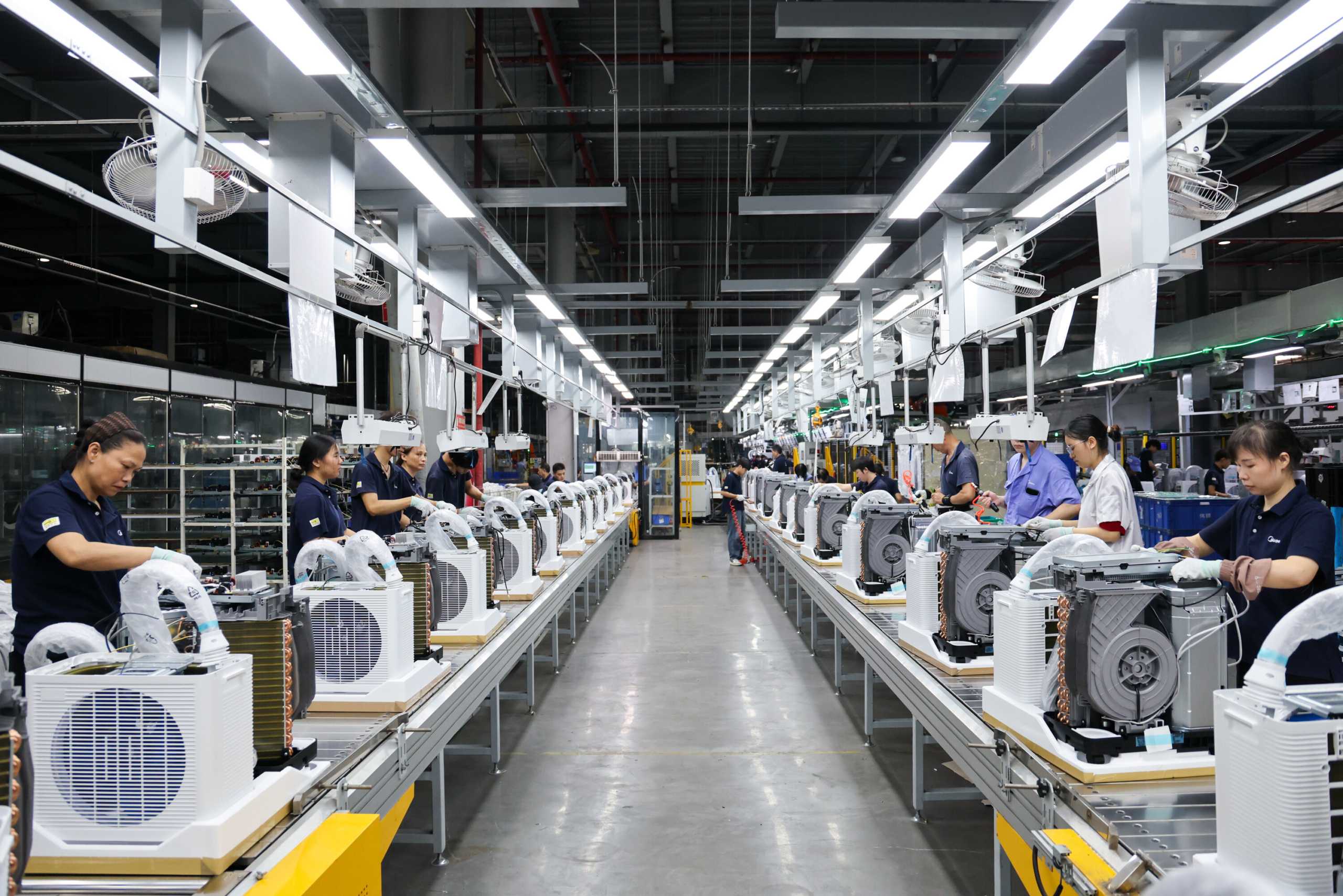
China is weathering the Hormuz energy crisis. But copying its model comes with risks Expert comment thilton.drupal 17 September 2026 China absorbed the shock by drawing on stockpiles and a decade of electrification. Europe needs electrification for security, but it needs to decide which parts of the system it is willing to buy from Beijing. Resources are no longer ‘king’ when it comes to energy, wrote Zhao Hongtu and Chen Wenlin in the 1 September 2026 edition of Qiushi , the Chinese Communist Party’s flagship theoretical journal. Mineral-rich economies may have some leverage, but the countries that control ‘transition-related technology, finance and rules’ will gain more influence as the world sees the rise of the ‘electrostate’, with ‘China, India and Brazil becoming the main force of new energy development.’ As a result of the US-Israeli war on Iran, argue Zhao and Chen, energy security has become a priority in national policymaking: ‘clean energy is seen as an important route to security’ and ‘economies that actively embrace the energy transition may occupy more important positions in the future global energy landscape.’ It is unsurprising that a CCP journal would commend China’s efforts in building renewable energy and managing the fallout of the Iran war. But the numbers support their conclusions. The oil importer most exposed to the crisis in the Strait of Hormuz – China imports 70 per cent of its oil, around half of it from the Gulf – has also been the least disrupted. Weathering the storm China’s strength in weathering the Hormuz crisis so far stands in contrast to
The world is undergoing a historical and cultural rupture. Just as Hollywood and other American exports once gave the rest of the world a glimpse of modern life and the future that awaited them, China is now doing the same for African, Latin American and even American young people
ECFR CommsAsia, China, China, Commentary, Mark Leonard
Social movements in North Africa increasingly focus on environmental concerns and the impact of climate change. Europeans must ensure their cooperation with governments in the region does not end up adding to activists’ grievances
Mireia FaroClimate and Energy, Middle East and North Africa, Commentary, Anthony Dworkin
The United States is embarking on a vast build-out of its electric system. Transparent cost data would help regulators pinpoint avoidable delays, help developers assess risk, and help communities judge the value they are being asked to host.
Europe is learning to adapt to a hotter climate. It should take the same approach to economic dependencies: manage the consequences, but also change the conditions that created them
Europeans are making little progress in their efforts to source critical raw materials from recycling. They should establish stricter export controls, expand domestic recycling and refining capacity, and develop stronger EU-Africa partnerships to benefit both continents