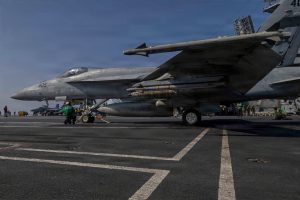
Neither U.S. nor Iranian leaders see a clear pathway for diplomacy to secure their core objectives, pushing both sides to posture and prepare for military escalation to levels not seen since the U.S.-Israeli campaign began. Tehran’s most pressing goal is to break what it acknowledges is a U.S. stranglehold on the Iranian economy, centered on […] The post U.S. and Iran Could Be Moving Toward Escalation appeared first on The Soufan Center .
Crisis Group expert Thomas Kean examines why the Myanmar military’s faltering counteroffensive and escalating air attacks have further dimmed prospects for a ceasefire in Rakhine State.
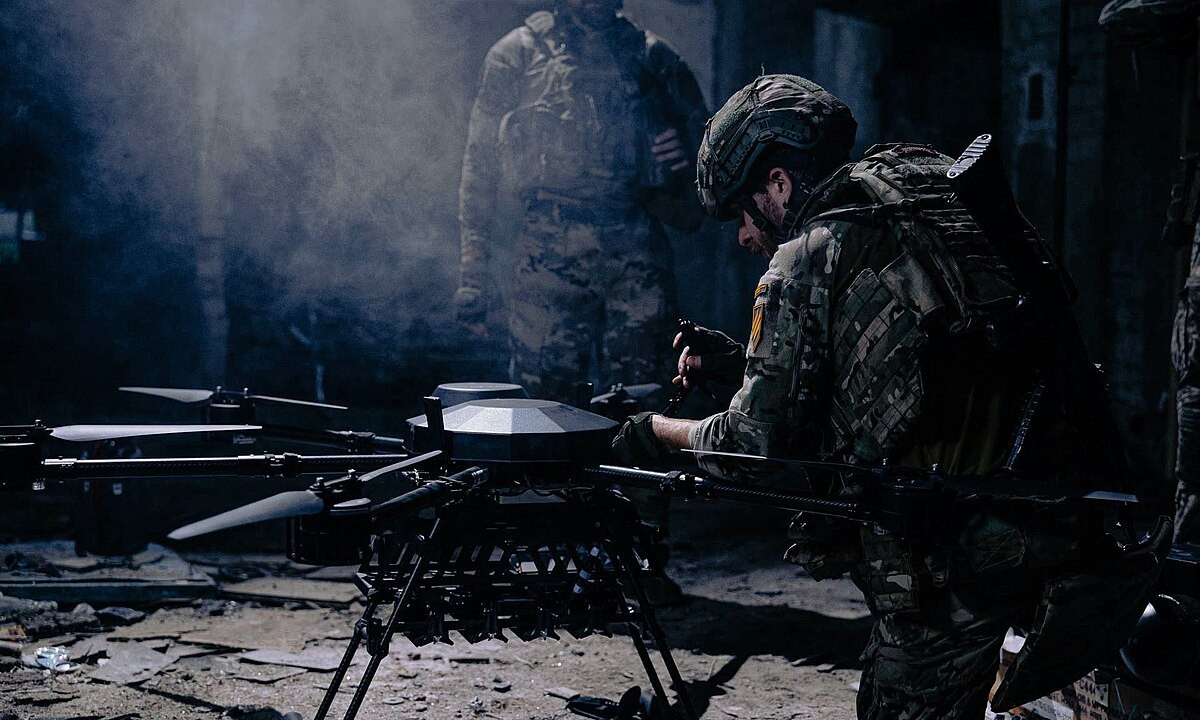
In mid-September, the commander of Ukraine’s 3rd Army Corps confirmed that his unit was in the midst of a major offensive in Donetsk Oblast: Operation Vivaldi. It was the first […]
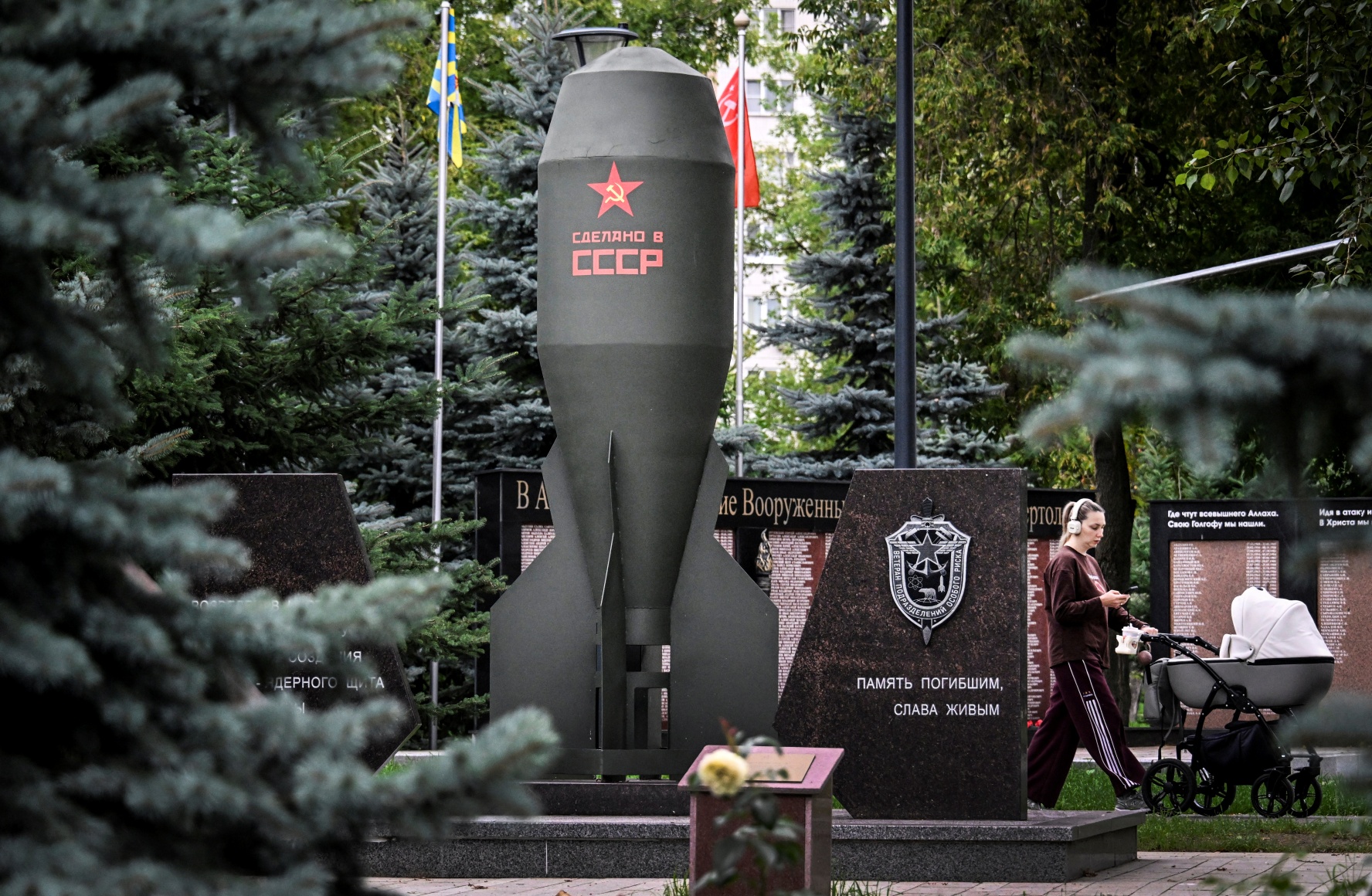
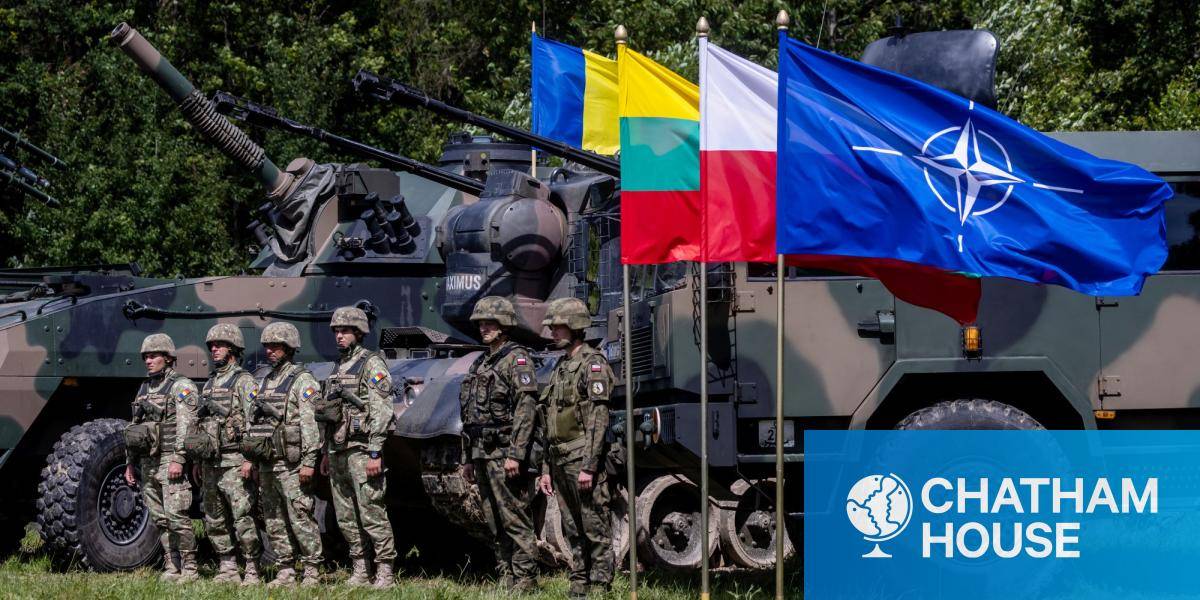
Russia’s Kaliningrad threats show the value of Baltic preparedness Expert comment jon.wallace 7 October 2026 Moscow’s nuclear rhetoric should be taken seriously. But Baltic states know grey zone attacks and territorial incursions are equally serious threats. Vladimir Putin always chooses his words carefully. If Russia faced a direct attack on Kaliningrad (its enclave on the Baltic Sea), he warned on 1 October, the use of ‘all weapons in (our) country’s arsenal’ would inevitably be on the table. The statement followed an earlier Russian note to NATO, threatening nuclear escalation if the alliance were to isolate Kaliningrad. NATO, thus far, has responded with restraint. Secretary General Mark Rutte said there was no imminent Russian threat and rebuffed Moscow’s nuclear rhetoric . But this skirmishing has pushed Kaliningrad – and NATO’s Baltic borders with Russia – back into the spotlight. Kaliningrad is not just any territory for the Russians. At the Yalta and Potsdam conferences of 1945, Soviet leader Stalin asserted his claim to what was then known as Königsberg. It was, he said, necessary for Russia to have at least ‘ one ice-free port ’ at the expense of Germany. The US and UK consented, and Moscow gained a permanent military position on the Baltic Sea. After the collapse of the Soviet Union and the withdrawal of the Baltic states to become independent democracies, Kaliningrad’s geographical isolation from Russia became more apparent, creating one of the most peculiar pieces of land on the continent. Today the enclave hosts Russia’s Baltic Fleet, missile systems and comb
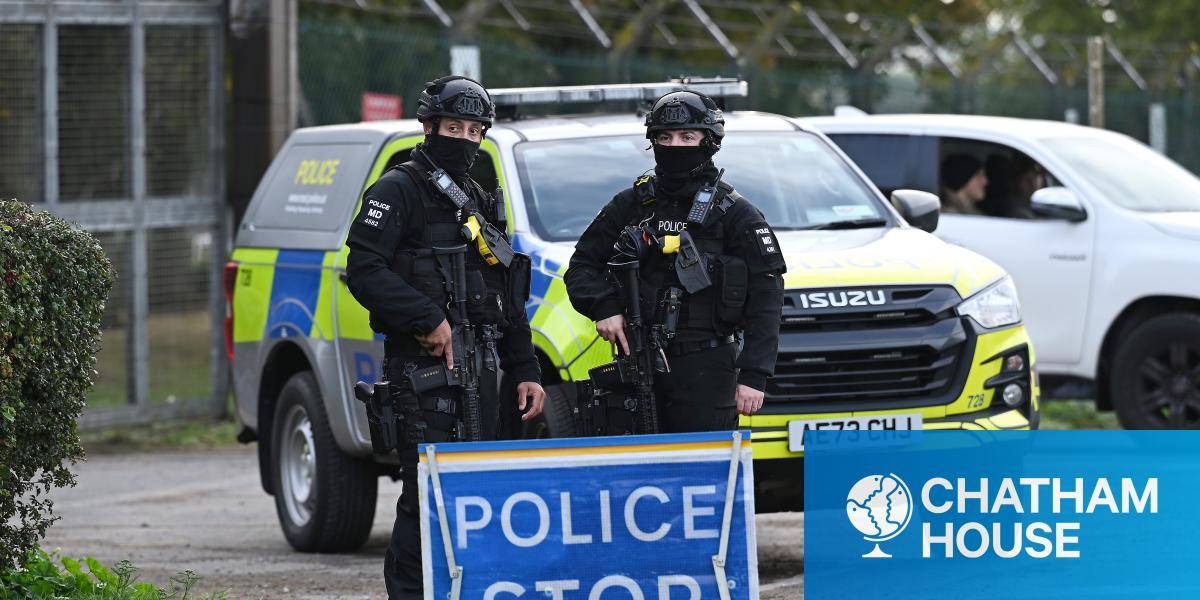
After the RAF Fairford incident, the UK should develop its homeland defence forces Expert comment thilton.drupal 7 October 2026 The threat of hybrid attacks from Iran and Russia means the UK should develop a force dedicated to protecting its bases and infrastructure at home. Finland and Poland offer lessons. The US’s withdrawal of its bombers from RAF Fairford, following a suspected terror plot against the base, has brought attention to how the UK defends its homeland military bases and other critical infrastructure. The UK government has insisted RAF Fairford is safe following the arrest of five men near the base on 27 September. President Donald Trump said the US withdrew its bombers from the base because of an unspecified ‘threat’ to the base. The investigation into the incident is still ongoing. Prime Minister Andy Burnham said that there are ‘strong indications that Iran played a part,’ which Iran’s embassy in London has rejected. In March, the UK approved a US request to use RAF Fairford for what it described as defensive strikes on Iran. Tehran responded that any base used for ‘aggression against Iranian territory’ would be a ‘legitimate target’ for its forces. Bases such as Fairford have their own protection forces that guard the perimeter. But incidents like this highlight the need for the UK to improve its wider homeland defence forces in the face of sustained pressure from hostile actors such as Iran and Russia. While the UK has specialist counter-terrorism units that can respond to incidents, and its armed forces and reserves can be deployed domestically to aid
On 15 and 18 September, SIPRI experts took part in the annual EU Non-Proliferation and Disarmament Consortium (EUNPDC) Consultative Meeting in Brussels.
There is a longstanding debate in the field of terrorism studies about whether terrorism “works.” In other words, does the use of terrorism and political violence help violent extremists achieve their goals and objectives, or does it merely serve to wreak havoc? On the third anniversary of the heinous Hamas terrorist attacks of October 7, […] The post Sinwar’s Carnage and the Domino Effect of the October 7 Hamas Terror Attacks appeared first on The Soufan Center .
On 24 September, SIPRI, the United Nations Office for Disarmament Affairs, the Permanent Mission of Mexico to the UN, the Open Society Foundations and the Inter-Parliamentary Union (IPU) organized a side event during UN General Assembly High-level Week 2026 in New York.
Myanmar’s Kachin State holds the heavy rare earths India wants, and a wartime road runs past them. Getting them out is another matter. The post Myanmar’s Rare Earths and the Geopolitics of the Stilwell Road appeared first on Geopolitical Monitor .
Augustine R KAll, China Belt and Road Initiative (BRI), Critical Minerals, Myanmar Civil War, Supply Chains
China’s navy has doubled its modern surface fleet against Japan’s since 2015. The balance at sea, 14 years after the PLA Navy's first carrier was launched. The post PLA Navy vs. Japan’s MSDF: How the Balance Shifted Since 2012 appeared first on Geopolitical Monitor .
Simone ChiusaAll, Featured Slider, China Military, Military Tactics, PLA Navy, Senkaku Islands Dispute, Taiwan Conflict, US Navy, US-China Relations, US-Japan Alliance
Applications are now open for an intensive online course on weapons of mass destruction (WMD) non-proliferation and disarmament in an era of technological convergence.
On 23 September, SIPRI’s Dual–Use and Arms Trade Control Programme delivered a workshop in Canberra on ‘Developments in China’s Export Control Framework: Implications for Australia and Multilateral Cooperation’.