ClingendaelArticle
 Dwayne
Thu, 15 Oct 2026
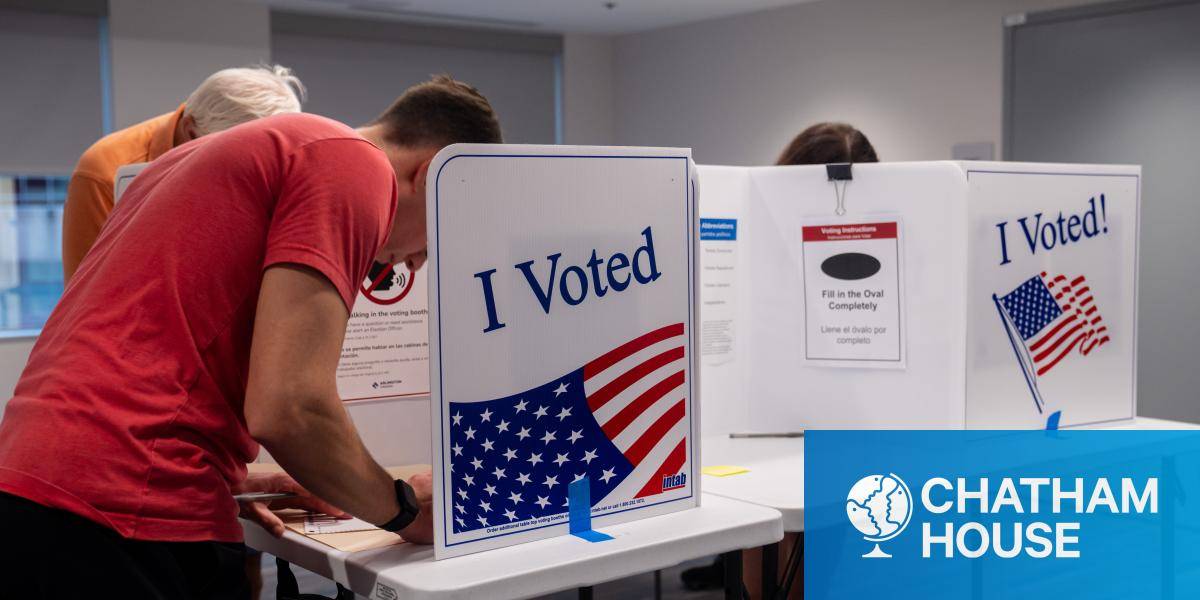
US midterms polls: Are Democrats winning or is Trump losing? Expert comment thilton.drupal 28 September 2026 Polls suggest Democrats will take control of the House of Representatives as American voters are dissatisfied with President Trump and his policies. Americans go to the polls on 3 November to elect a third of the US Senate and all the House of Representatives. The Republicans currently have majorities in both chambers of Congress. But their prospects of retaining this control look increasingly dire. The Republicans’ chances have been dragged down by President Donald Trump’s near-record low public approval rating and voter dissatisfaction with his handling of the Iran war and the economy, among other things. Democrats appear poised to take advantage, with most pundits suggesting they will retake control of at least the House of Representatives. But the race is not over yet. In the end, the key factor will likely be turnout, which is historically lower in midterms than presidential elections. Whichever party better mobilizes their voters to turn up on election day will ultimately determine the outcome. Democrats are strong favourites At this point, this election is the Democratic Party’s to lose. Republicans currently hold a narrow majority in the 435-seat House of Representatives. To control the House, which gives a party the ability to name chairmen of committees and set the legislative agenda, the Democrats will need to win at least 218 seats. They currently have 212 seats. Due to polarization and redistricting, most seats are highly unlikely to change party. Electi
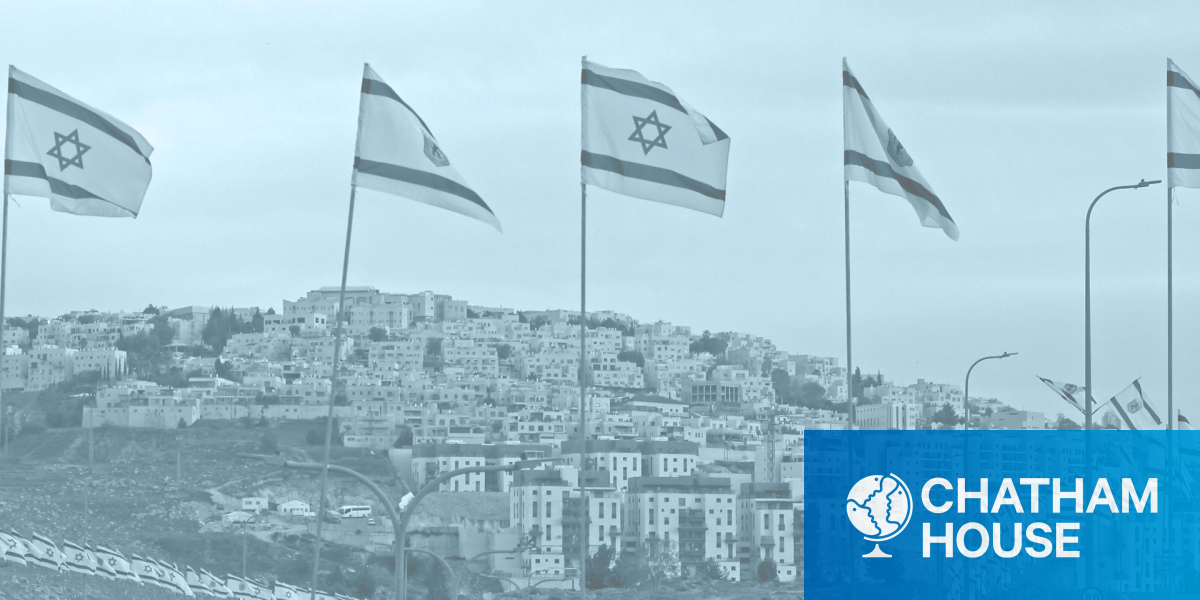
Israel’s election: What will it mean for neighbours and allies? 8 October 2026 — 17:00 TO 18:15 BST Anonymous (not verified) 28 September 2026 Chatham House and Online Hear from experts on the foreign policy choices facing Israel’s next government. Hear from experts on the foreign policy choices facing Israel’s next government. Israel’s upcoming election follows three years of war and a marked decline in international support. Leading candidates to be prime minister offer little in terms of rethinking Israeli foreign policy and all reject Palestinian statehood. The election outcome could have profound consequences for the Palestinians and Israel’s relations with neighbouring states and international partners. This event discusses: What is at stake for Palestinians and regional states in Israel’s election? Would a change of government alter relations with the UK, US and Europe? How do leading candidates view relations with Lebanon, Syria and Turkey? How might Israel’s next government approach Iran? Could a new government change Israel’s approach to the Israeli–Palestinian conflict? Can Israel’s next government rebuild international public support?
In an interview, Ian Lustick and Eli Clifton discuss their new book on why a prominent ally has so much influence in America.
SIPRI convened an online event focused on integrating the WPS agenda into peacebuilding.
As European leaders hobnob with their counterparts at the 81st session of the United Nations General Assembly, they must think carefully about how to navigate a fast-changing multilateral landscape. The old world belonged to rule-makers and institution-builders, but the current one favours those who can improvise
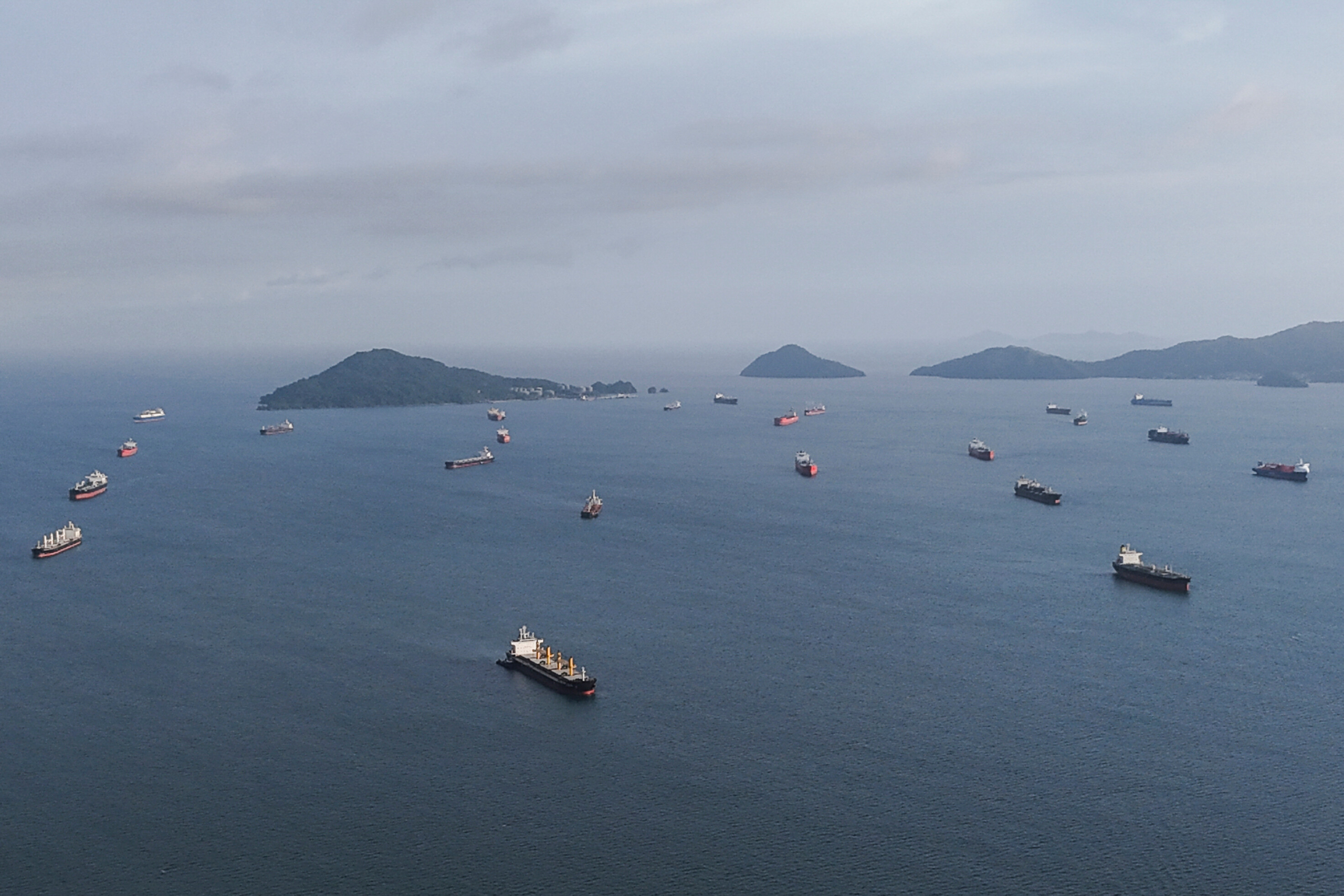
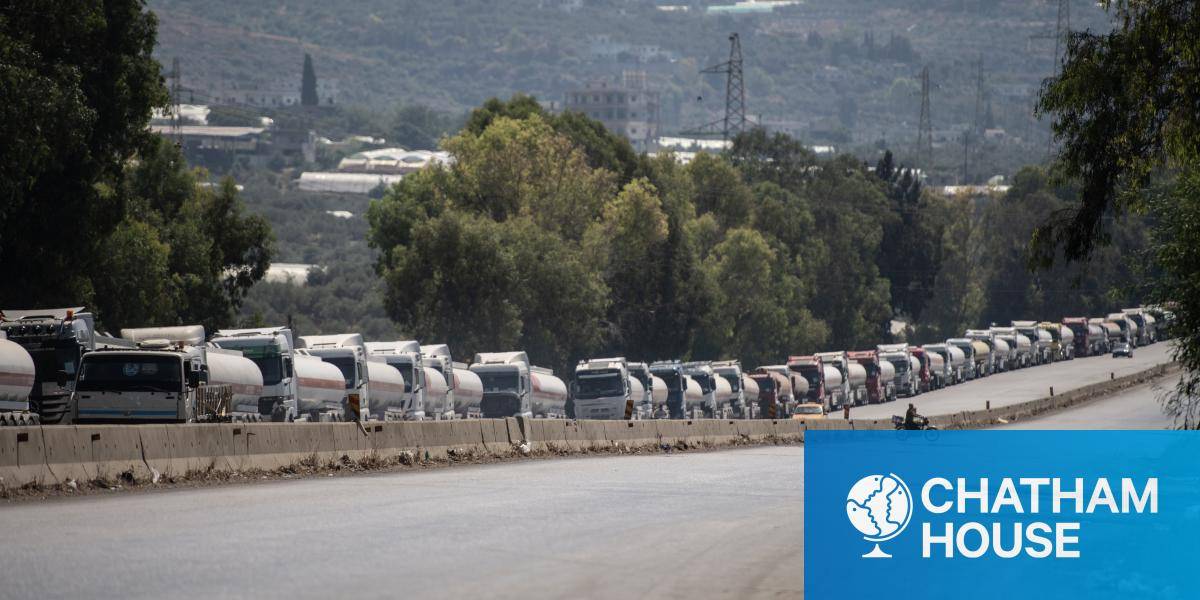
New energy and trade routes could bypass Hormuz and change the Middle East. But major challenges remain Expert comment thilton.drupal 25 September 2026 The Strait of Hormuz crisis is accelerating a wider reordering of the region, as Iraq, Syria and Lebanon plan new oil pipelines and transport corridors. But whether they can seize the opportunity to diversify will ultimately depend on wider reforms. The war on Iran and the resulting disruption to the Strait of Hormuz has exposed the vulnerability of existing trade and energy routes and unsettled the old balance of power across the Middle East. In this context, Iraq, Syria and Lebanon are seeking to capitalize on their position between Europe and the Gulf and improve their connectivity via oil and gas pipelines, roads, railways and digital corridors. Once central to an Iranian regional order, all three governments are now aiming to achieve greater sovereignty by diversifying their economic ties, a shift supported by the Trump administration. Yet they are attempting to do so while facing foreign occupations and military action, and while also confronting domestic endemic corruption and fragmented political systems that empower armed groups. Whether they can seize this opportunity to become more connected – and more sovereign – will therefore depend not only on the infrastructure they build, but on whether they can reform their states to govern it. Changing energy routes The effective closure of the Strait of Hormuz has caused severe disruption to regional energy flows, including from Iraq. Pre-war, Iraq was exporting around 3.
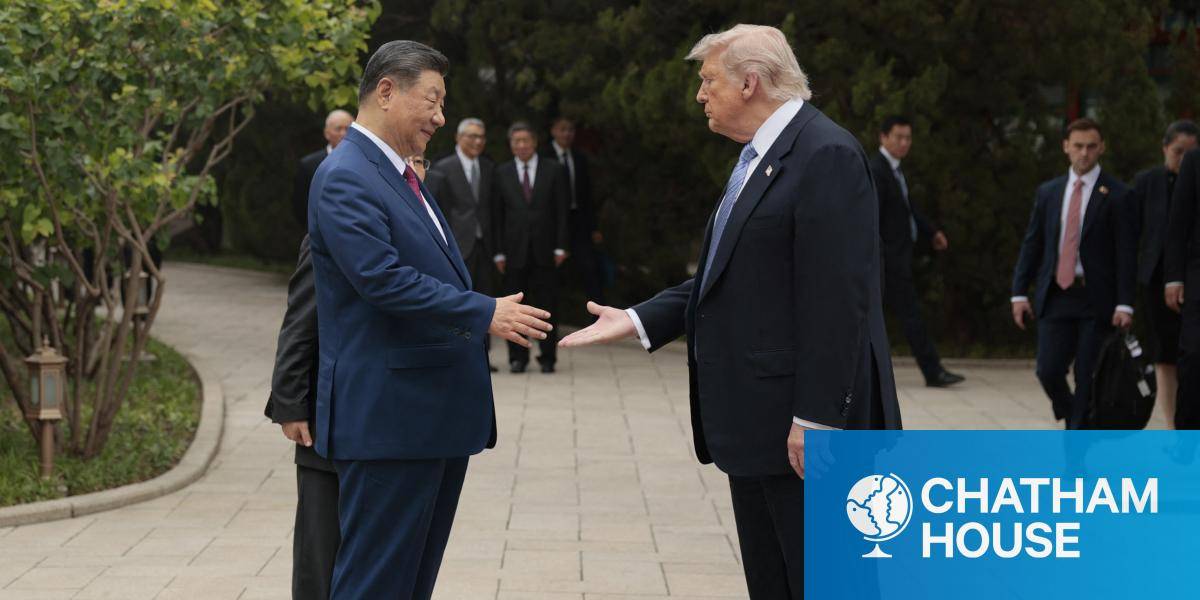
China rising, America in decline? The Trump-Xi summit Audio sseth.drupal@c… 25 September 2026 In this week’s episode of Independent Thinking, our experts discuss the Trump-Xi summit in Washington and the increasing competition between the two superpowers. President Donald Trump welcomes Xi Jinping to Washington with the US-China dynamic in a moment of historic flux. China is rising economically and militarily, while the US is mired in the Iran war, alienating allies and pursuing Trump’s unpredictable trade and tariff disputes. What do the two leaders want from this meeting, and will they get it? Can they reconcile their differing economic powers, the competition for critical minerals, and their radically contrasting visions for artificial intelligence. And in the longer term: who will dominate the 21st century? Does Xi really want to retake Taiwan for China before his time in power ends? Or is the US-Chinese dynamic more complex and perhaps less alarming? To unpick these threads Bronwen Maddox is joined by three experts from Chatham House’s Asia-Pacific Programme: programme director Ben Bland, senior research fellow Dr Yu Jie and associate fellow Dr Bill Hayton. About Independent Thinking Independent Thinking is a weekly international affairs podcast hosted by our director Bronwen Maddox, in conversation with leading policymakers, journalists and Chatham House experts providing insight on the latest international issues. More ways to listen: Apple Podcasts and Spotify . Explore our other Chatham House podcasts .
Senate Republicans barely defeated an effort to halt the conflict even as GOP candidates in battleground states turn against the war.
Palestine, Jordan and Egypt ambassadors: On the future of Palestine 5 October 2026 — 13:30 TO 14:45 BST Anonymous (not verified) 24 September 2026 Chatham House Join this fascinating discussion as three Middle East ambassadors to the UK discuss reconstruction, security, President Trump’s Board of Peace, and more. Join this fascinating discussion as three Mideast ambassadors to the UK discuss reconstruction, security, President Trump’s Board of Peace, and more. In August 2026, eight Arab and Islamic countries issued a statement reiterating their support for an independent, sovereign Palestinian state. The group condemned Israeli measures aimed at displacing Palestinians from the Gaza Strip, as well as Israel’s continued resistance to implementing President Trump’s plan to end the war in Gaza. This event will bring together ambassadors from states in the Middle East to discuss developments in Palestine. They will also talk about the role of regional states – and the UK - in furthering dialogue, peace and reconstruction. This event discusses: How are Arab states supporting peace, security, and reconstruction in Palestine? What are the immediate and medium-term priorities? What are states’ perspectives towards the Board of Peace, and President Trump’s Peace Plan? What are key takeaways from UNGA concerning regional and global actors’ positions towards Israel and Palestine? Where do opportunities lie for achieving long-term peace? What role do external actors, including the UK and EU, have in supporting Palestine’s future? There will be a 30-minute coffee reception following the
In this episode with host Dr. Charlie Faint, retired Colonel Pat Howell reflects on a career that took him from the 82nd Airborne Division and conventional engineer units to the […]
The increasing use of drones on the modern battlefield has sparked a great debate about their impact on the ever-changing character of warfare. Whether framed as evolutionary drivers of that […]
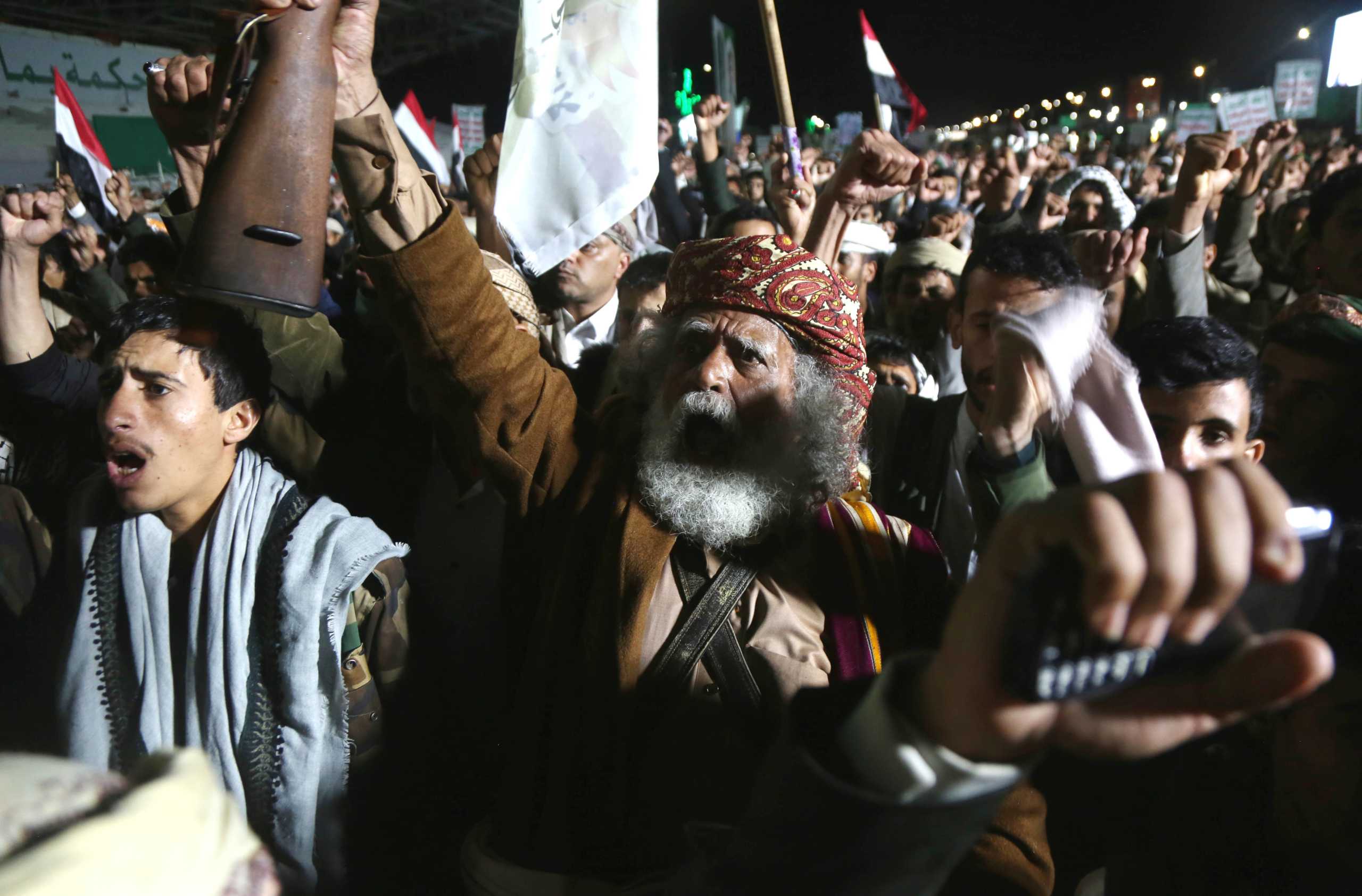
Houthi advances now threaten Saudi Arabia’s most viable oil-export route. Europeans should strengthen Riyadh’s maritime and air defences, and mobilise a wider diplomatic coalition to end the US-Iran war driving the escalation
Israel's strategy in Gaza is only keeping Hamas in power: deterred, but not replaced, with no real alternative given a chance. A different outcome calls for a different approach.
A summer of escalation in the Black Sea has hurt Ukraine economically and is exacerbating world food security. A truce is needed—as is a broader reframing of Europe’s Ukraine strategy.
Trump–Xi summit: Why the US and China should not underestimate each other Expert comment LToremark 22 September 2026 The US and China both face serious domestic strains. As Trump and Xi meet this week to discuss trade, AI and Taiwan, neither side should mistake the other’s weaknesses for strategic decline. A superpower summit is a big deal. As US President Donald Trump and China’s President Xi Jinping meet in Washington this week, they have a lot to cover. They will try to extend a trade truce that expires in November, including China’s pause on rare earth export controls and America’s delay on chip restrictions. The leaders will also tackle Taiwan, where Beijing wants Washington to halt a $14 billion arms package, as well as China’s purchases of Iranian oil and a proposed dialogue on the national security risks of artificial intelligence (AI). In their negotiations, each side may be tempted to focus on the other’s weaknesses. But underestimating the other’s power would be unwise. China has many weaknesses – but should not be underestimated Many observers argue that China’s economic vulnerabilities will limit its international ambitions. Its growth model is faltering; its households still are not spending, so Beijing continues to push surplus production overseas. This has provoked a backlash of trade barriers from the US, EU and beyond. The property sector – once a quarter of the economy – is in its fifth year of slump, while a mountain of hidden local government debt threatens to drag down China’s growth for years to come. Meanwhile Xi’s government has become steadily more
As the U.S. stumbles in its war with Iran, we are likely to see an acceleration of its disengagement from the region.
Can Gulf Arab countries help break the deadlock over Trump’s Gaza peace plan? Expert comment LToremark 21 September 2026 Gulf Arab states increasingly view Israel as the main obstacle to progress on the peace plan – and may hope for an opening after Israel’s October elections. Almost a year after US President Donald Trump unveiled his 20-point peace plan for Gaza, which was adopted by both Israel and Hamas and paved the way for the release of all Israeli hostages, the peace process appears to have hit a wall. The two sides remain fundamentally divided over the sequencing of demilitarization and Israeli withdrawal. So far, Hamas has refused to give up its heavy weapons unless Israel halts all military operations and withdraws its forces from the parts of Gaza it currently controls – approximately 60 per cent of the strip – while Israel says it will not withdraw until Hamas disarms. Although President Trump continues to argue that the situation in Gaza is under control, his envoy Jared Kushner, who recently visited Israel, and the director-general of his Board of Peace, Nikolay Mladenov, have so far been unable to launch the second phase of the process. Related work The Iran war has left Gaza neglected In September, Kushner acknowledged that the task of demilitarizing Gaza was proving far more difficult than initially expected: ‘We are starting to understand the scope of the militarization of Gaza. It is beyond your comprehension’. In August, he had told Fox News that he expected Hamas to begin handing over its weapons in ‘ as few as 30 days ’. Meanwhile, the humanitarian sit
The UAE built its power by turning itself into a hub that binds it to every great power at once. The war with Iran has tested this strategy and is forcing a rethink in Abu Dhabi
Yemen's Houthi rebels are in a position to shape the next phase of the conflict between the United States and Iran if they attempt to renew their blockade of the Bab al-Mandab Strait. And no one should assume that a deal with Iran will bind what the Houthis do next.