Council on Foreign RelationsArticle
The Import Cut Beijing Did Not Order
How has China imported less oil amid major supply shocks and war in Iran, and what does it mean?
Thu, 15 Oct 2026
How has China imported less oil amid major supply shocks and war in Iran, and what does it mean?
Conflicts in the Middle East and the Horn of Africa Have Become Inseparable
The US tariff on India's Russian oil was always a bargaining chip, not a stand on principle. The post Trump’s India Tariffs over Russian Oil Were Never about Principle appeared first on Geopolitical Monitor .
Oil exports from the Middle East have rebounded, fueling claims that the United States is winning its war with Iran. But the Strait of Hormuz remains treacherous, Tehran isn’t any closer to accepting Washington’s terms, and the costs of the conflict are continuing to climb on both sides.
Why the Houthis’ Red Sea power play makes Iran even stronger Audio sseth.drupal@c… 2 October 2026 On this week’s episode of Independent Thinking, our experts discuss what Houthi control of the Bab al-Mandab strait means for the wider region. The Iranian-backed Houthi rebels’ capture of Yemen’s port city of Mocha means that Iran now effectively controls two crucial waterways in the region – the Bab al-Mandab Strait to the Red Sea and thus the Suez Canal, as well as the Hormuz Strait. Why has this simmering conflict exploded again? What do Iran and the Houthis want? How serious is this potential blockade for world trade and energy supply? And could the Houthis become a regional power, in economic terms even more powerful than Iran? Bronwen Maddox is joined by director of Chatham House’s Middle East and North Africa Programme, Dr Sanam Vakil; Horn of Africa specialist Ahmed Soliman; and Yemen and Gulf specialist, Farea Al-Muslimi, who joins us from Jordan. Read the latest related work from Chatham House here: Expert Comment: New energy and trade routes could bypass Hormuz and change the Middle East. But major challenges remain The World Today article: Farea al-Muslimi: ‘I wrote my own death statement 5 times’ Expert Comment: Escaping the Hormuz trap: What should an agreement to reopen the Strait look like?
Factional struggles around the US president have left Europe at the mercy of competing foreign policy agendas. But European disunity only undermines European interests
In American slang, “in a stew” means to be in a difficult situation. Italians say pasticciaccio — a baked pasta dish — to describe an awful mess. Israelis prepare shakshuka, a delicious North African stew, but it can also mean a chaotic situation. The current situation in the Gulf is a shakshuka — a complicated […] The post A Shakshuka in the Gulf: U.S. Options in the Iran War appeared first on The Soufan Center .
Oil, gas and fuel prices are central to the U.S.-Israeli war with Iran, with Washington striving to lower them and Tehran to keep them high. With both sides determined to prevail, five market-shaping developments in particular could affect whether fighting ramps up or de-escalates.
To reduce its dependency on Russia, Armenia is diversifying its foreign policy. Until peace with Azerbaijan is secured, Europeans need to provide Yerevan with extra support
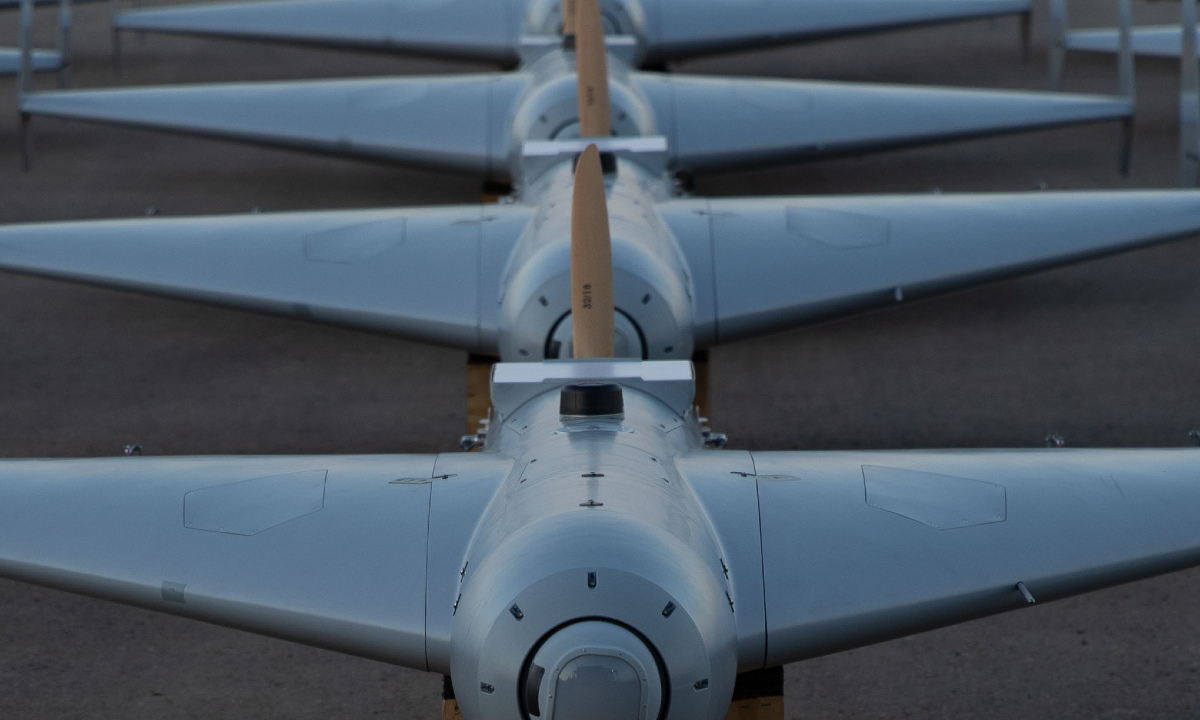
An analysis of traffic accident data suggests that Ukrainian drone attacks caused a material but not disastrous fall in Russian gasoline consumption over the summer.
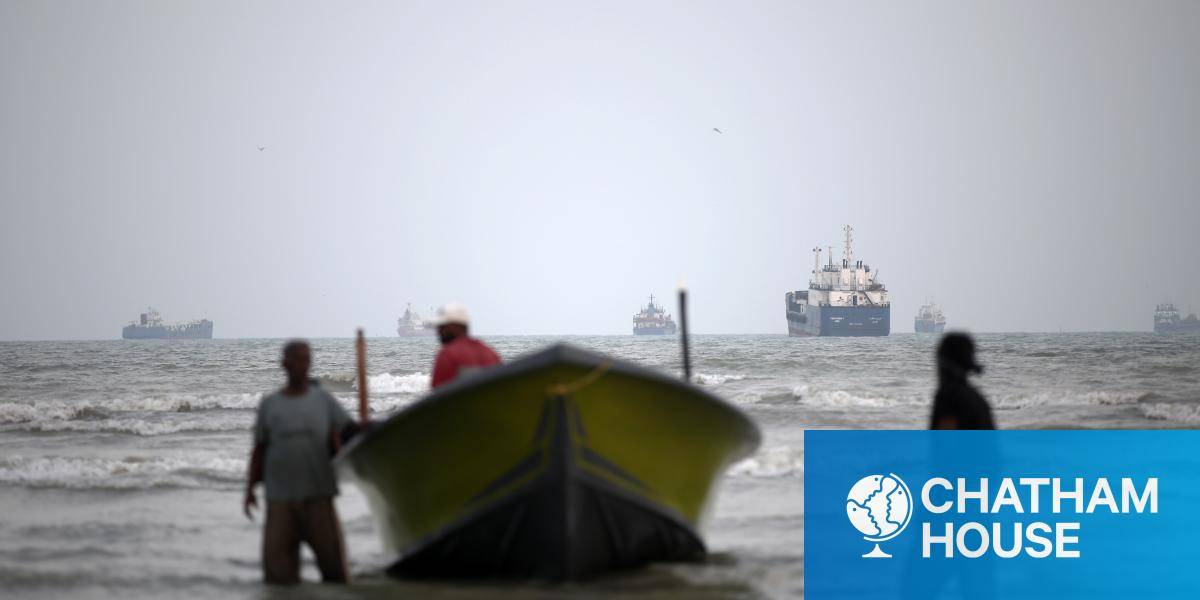
Escaping the Hormuz trap: What should an agreement to reopen the Strait look like? Expert comment jon.wallace 30 September 2026 A detailed, reciprocal, and verifiable process is essential to ensure that any agreement holds. The war between the United States and Iran has entered an uncertain phase between escalation and diplomacy. At the UN General Assembly, Iran offered a proposal to reopen the Strait of Hormuz and resume nuclear talks – if various conditions were met. That has apparently been rejected by President Donald Trump. Subsequent reports claimed the president was considering new strikes on Iran. Meanwhile, attacks on ships from the Iran-backed Houthis have extended the conflict into the Red Sea. Given the scope of disagreement between Washington and Tehran, and the global impact of the Strait’s prolonged closure, any settlement will likely need to begin with an unwinding of the Hormuz situation. Can that be achieved? It is possible. But a successful agreement on Hormuz requires above all a technically precise, reciprocal, and verifiable process that focuses on restoring freedom of navigation. It is unlikely to be effectively addressed through another vague Memorandum of Understanding (MOU), or as part of a wider grand bargain. Status of the Strait Tehran has enforced its declared ‘closure’ of the Strait of Hormuz by demanding that ships transit through Iranian waters, charging tolls, and striking vessels it claims have violated its policies. This has resulted in 85 maritime incidents and 24 seafarer deaths reported across the Gulf region. The US has responded by i
Attend any drone warfare conference, and you will likely hear the same refrain: There is no silver bullet when it comes to drone defense. This is often followed by presentations […]
The domestic impacts of how long it is taking to end the war in Ukraine have pushed the French electorate to the political extremes and compromised the country’s diplomatic capacity.
What are financial markets telling us? 7 October 2026 — 18:00 TO 19:00 BST Anonymous (not verified) 29 September 2026 Chatham House and Online Learn how geopolitics, inflation, AI and fiscal policy are converging to reshape borrowing costs. Learn how geopolitics, inflation, AI and fiscal policy are converging to reshape borrowing costs. Global bond yields have risen sharply this year thanks to a variety of forces, including war-fuelled inflation, AI-driven growth, loose fiscal policy and geopolitical risk. Recent interventions have struggled to contain market pressure, sharpening questions about where we may be headed. Is a new financial crisis possible? This event discusses: What are rising yields signalling about inflation, global growth and government debt burdens? Why have recent interventions struggled to contain pressure in bond markets? How is conflict in the Middle East affecting inflation expectations and borrowing costs? What does AI-driven economic activity mean for interest rates and asset prices? How are loose fiscal policies changing sovereign debt risks? Could weaker demand for AI compute trigger a wider market correction?
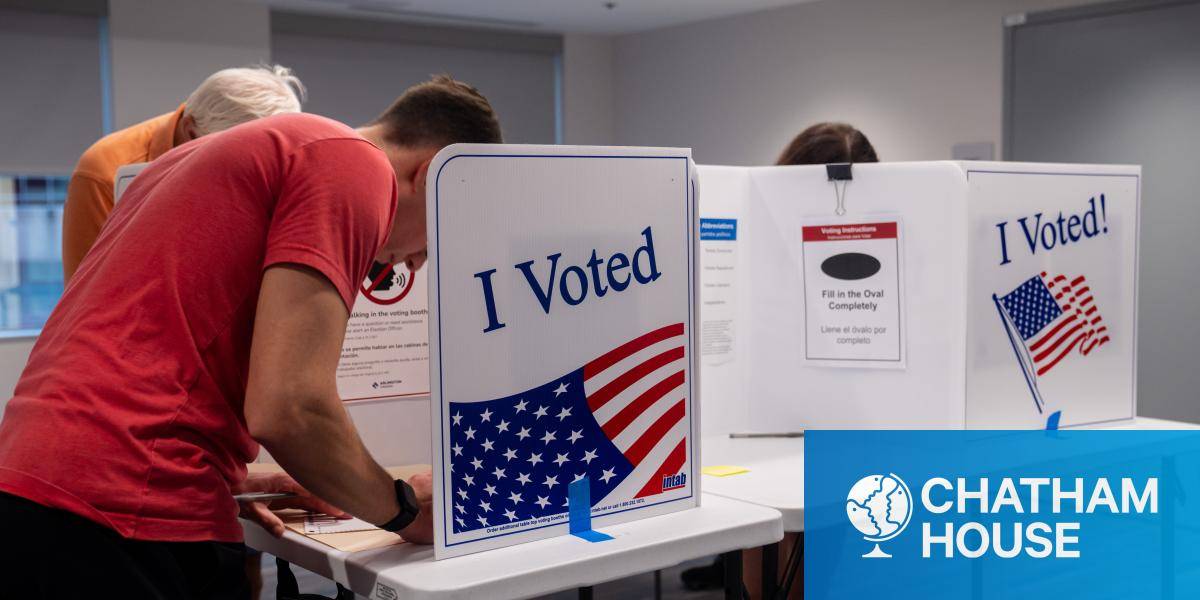
US midterms polls: Are Democrats winning or is Trump losing? Expert comment thilton.drupal 28 September 2026 Polls suggest Democrats will take control of the House of Representatives as American voters are dissatisfied with President Trump and his policies. Americans go to the polls on 3 November to elect a third of the US Senate and all the House of Representatives. The Republicans currently have majorities in both chambers of Congress. But their prospects of retaining this control look increasingly dire. The Republicans’ chances have been dragged down by President Donald Trump’s near-record low public approval rating and voter dissatisfaction with his handling of the Iran war and the economy, among other things. Democrats appear poised to take advantage, with most pundits suggesting they will retake control of at least the House of Representatives. But the race is not over yet. In the end, the key factor will likely be turnout, which is historically lower in midterms than presidential elections. Whichever party better mobilizes their voters to turn up on election day will ultimately determine the outcome. Democrats are strong favourites At this point, this election is the Democratic Party’s to lose. Republicans currently hold a narrow majority in the 435-seat House of Representatives. To control the House, which gives a party the ability to name chairmen of committees and set the legislative agenda, the Democrats will need to win at least 218 seats. They currently have 212 seats. Due to polarization and redistricting, most seats are highly unlikely to change party. Electi