Faction fight: How Europeans can better influence American foreign policy battles
Factional struggles around the US president have left Europe at the mercy of competing foreign policy agendas. But European disunity only undermines European interests
Thu, 15 Oct 2026
Factional struggles around the US president have left Europe at the mercy of competing foreign policy agendas. But European disunity only undermines European interests
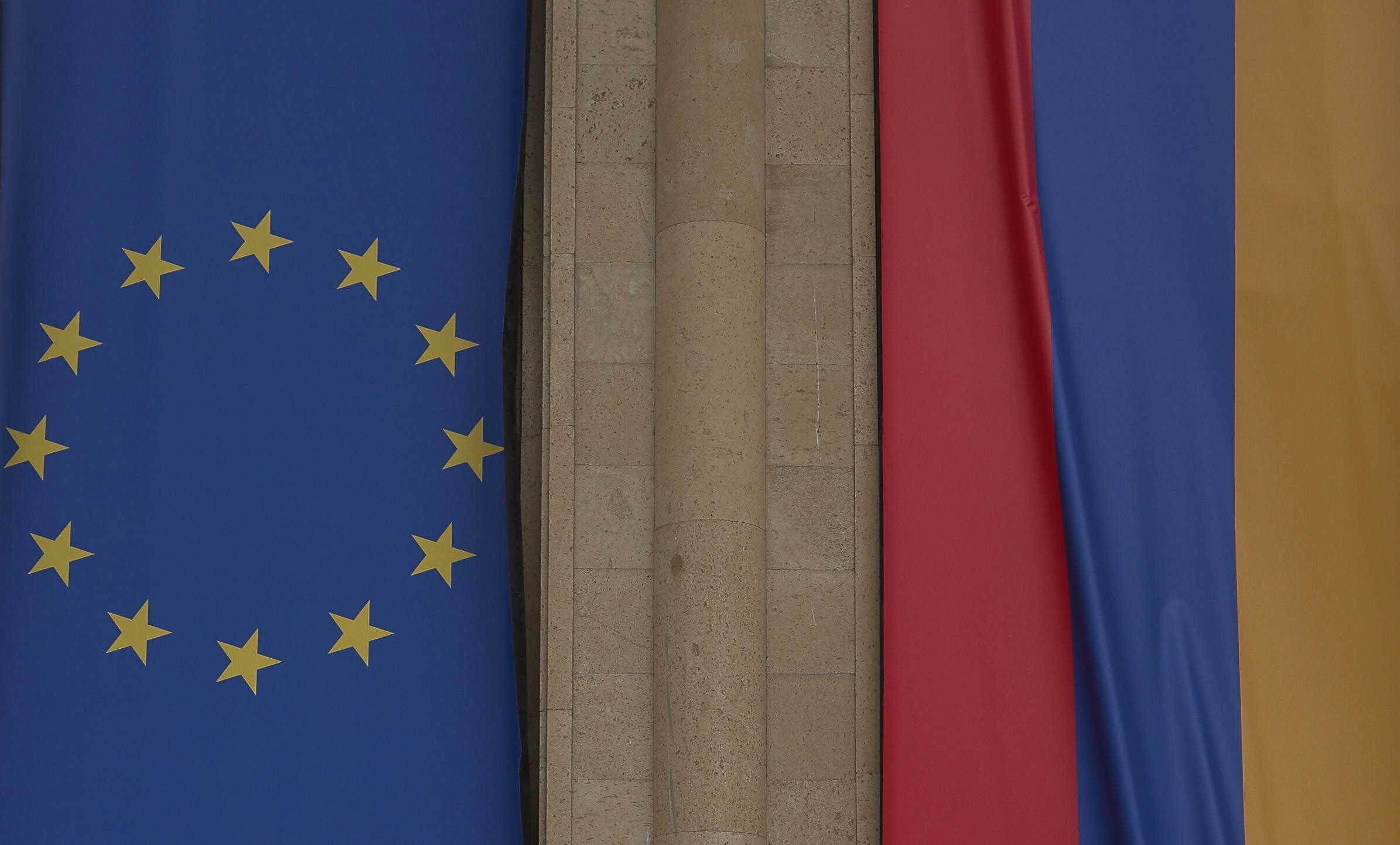
To reduce its dependency on Russia, Armenia is diversifying its foreign policy. Until peace with Azerbaijan is secured, Europeans need to provide Yerevan with extra support
As European leaders hobnob with their counterparts at the 81st session of the United Nations General Assembly, they must think carefully about how to navigate a fast-changing multilateral landscape. The old world belonged to rule-makers and institution-builders, but the current one favours those who can improvise
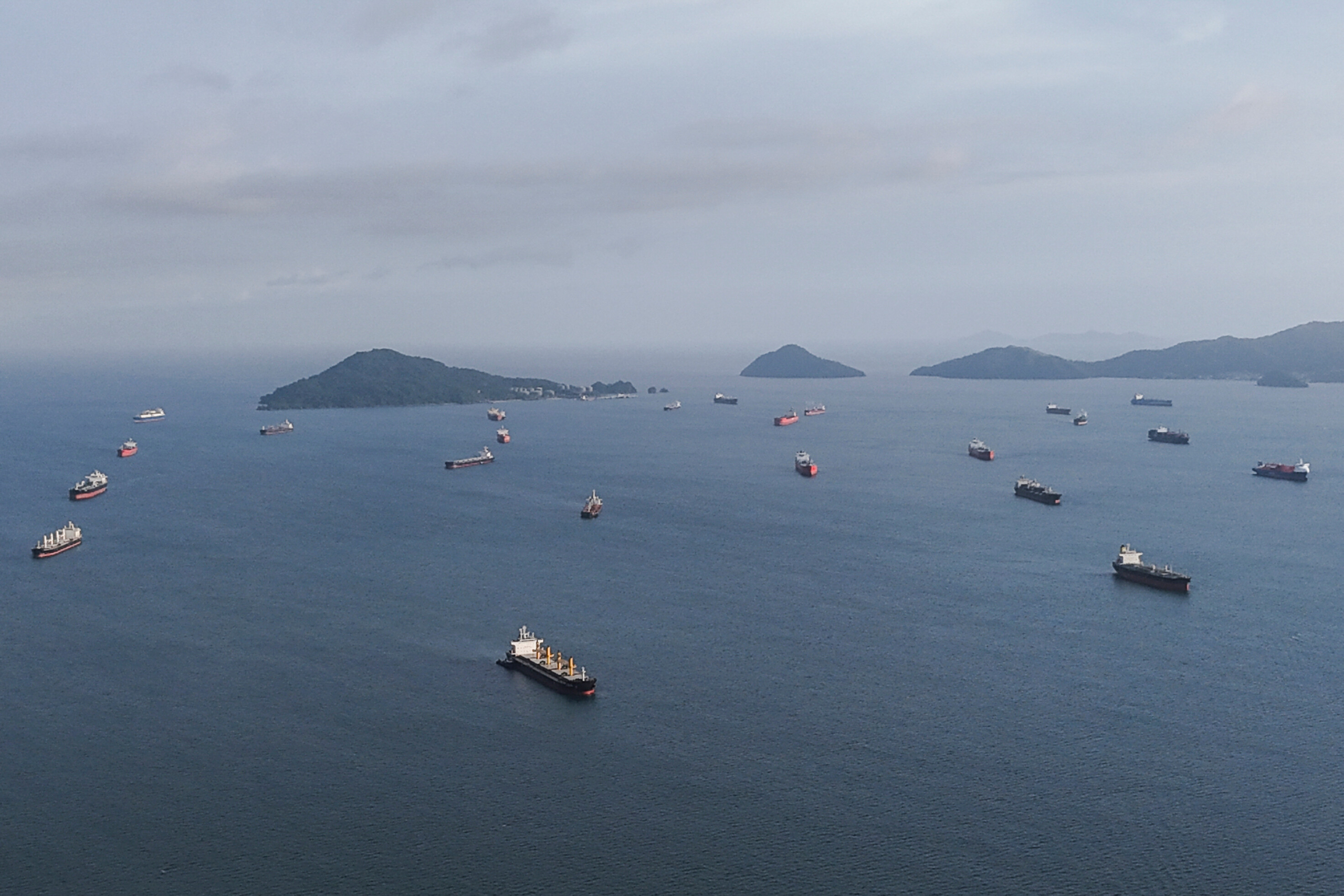
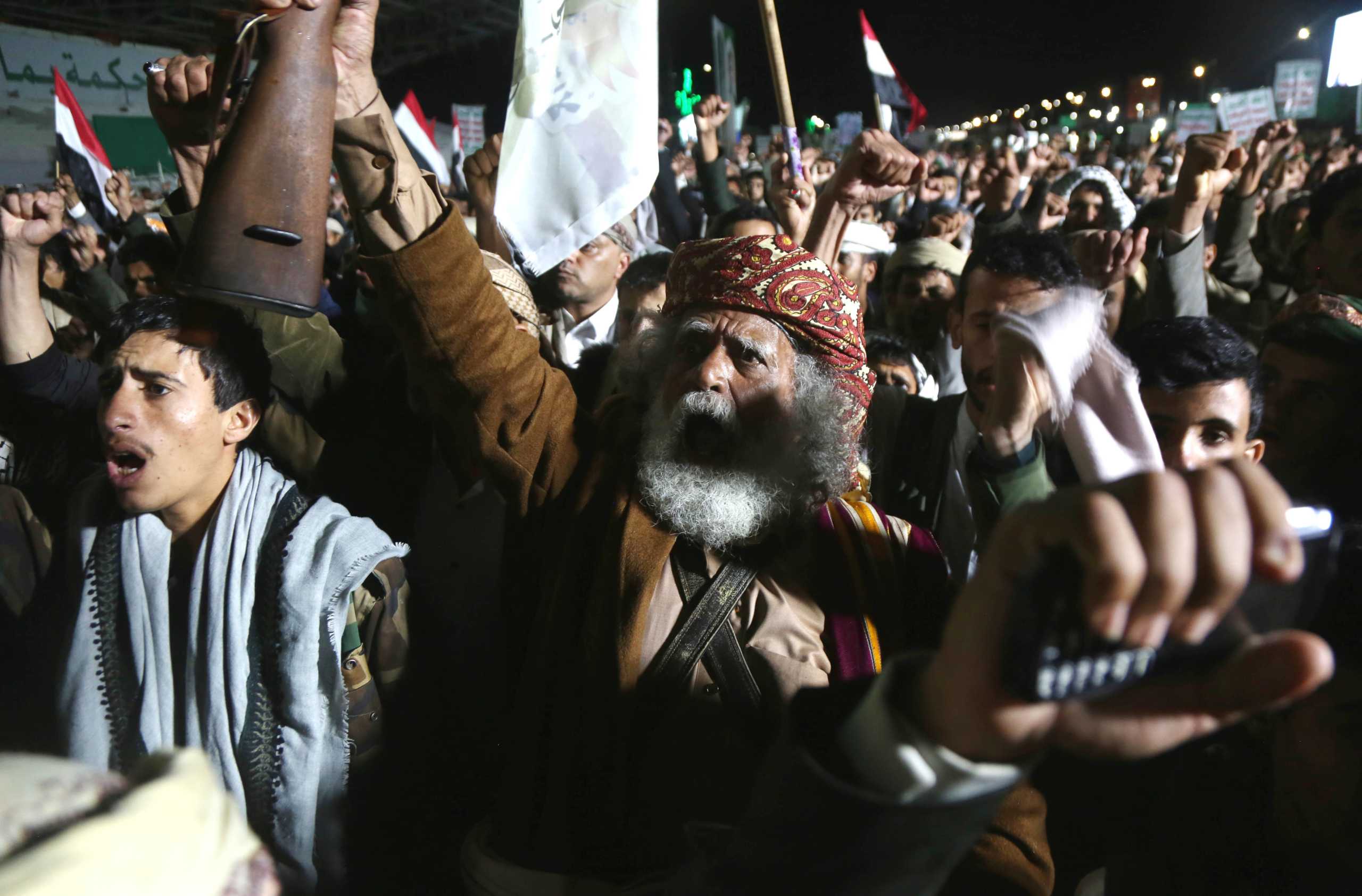
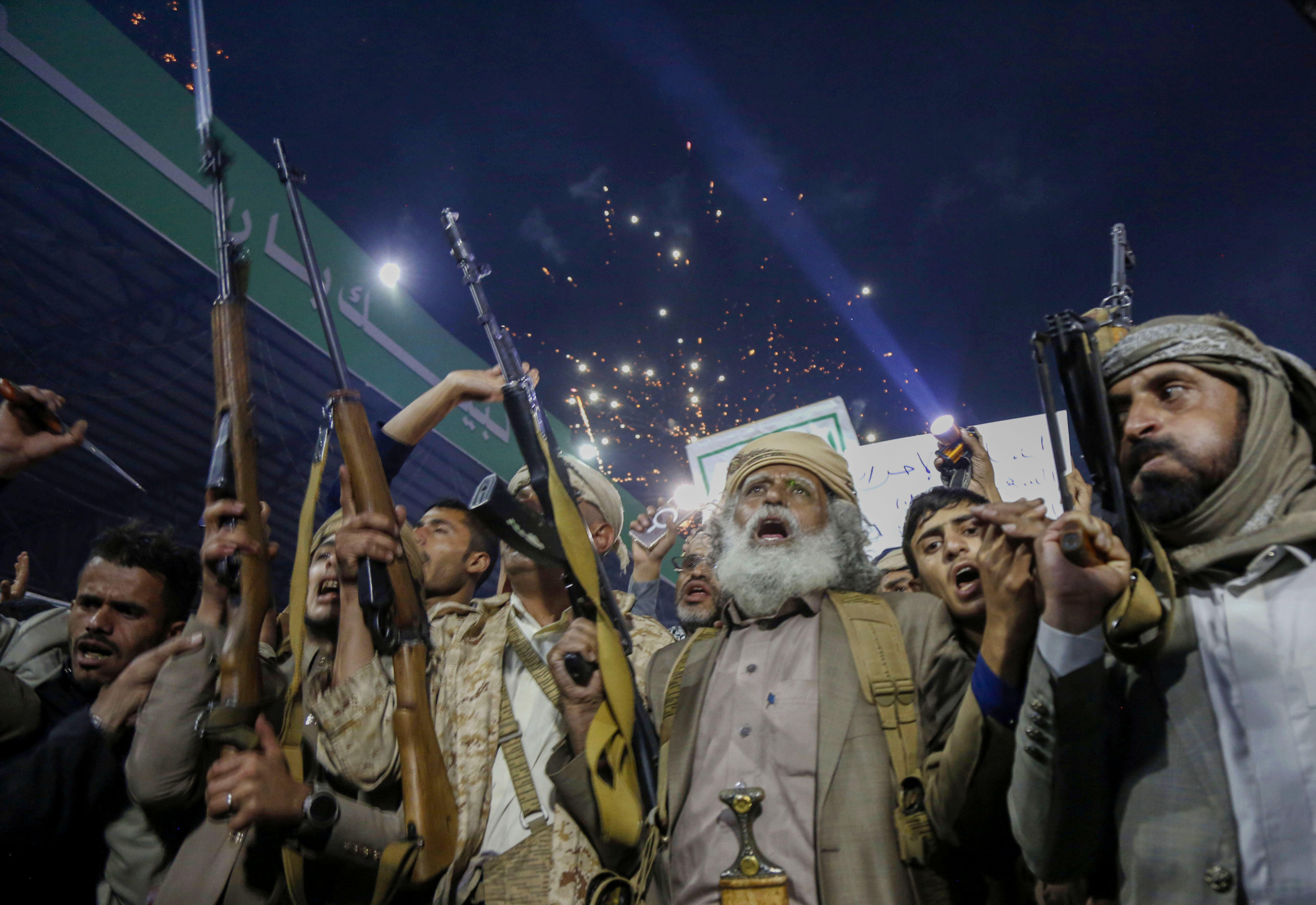
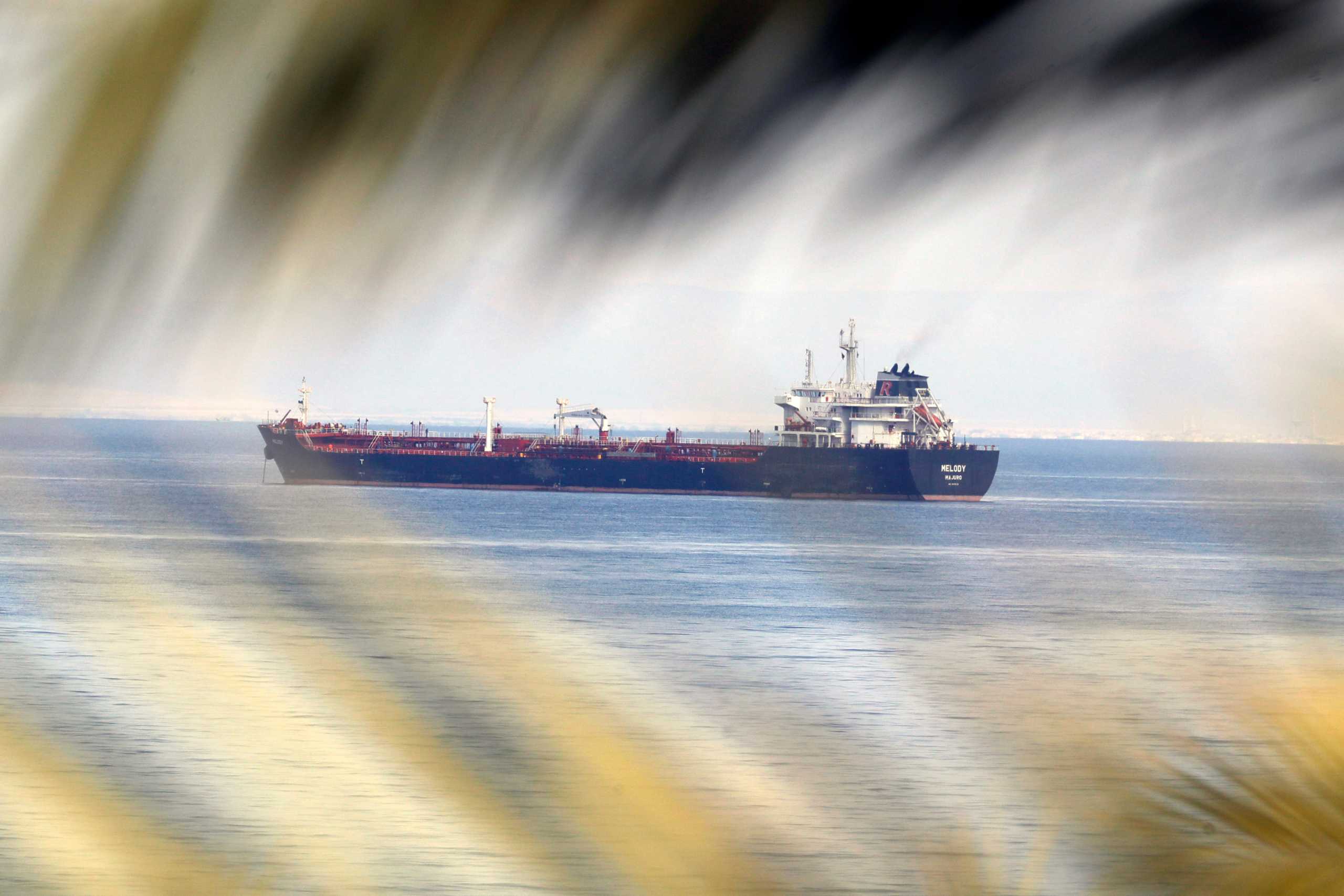
Houthi advances now threaten Saudi Arabia’s most viable oil-export route. Europeans should strengthen Riyadh’s maritime and air defences, and mobilise a wider diplomatic coalition to end the US-Iran war driving the escalation
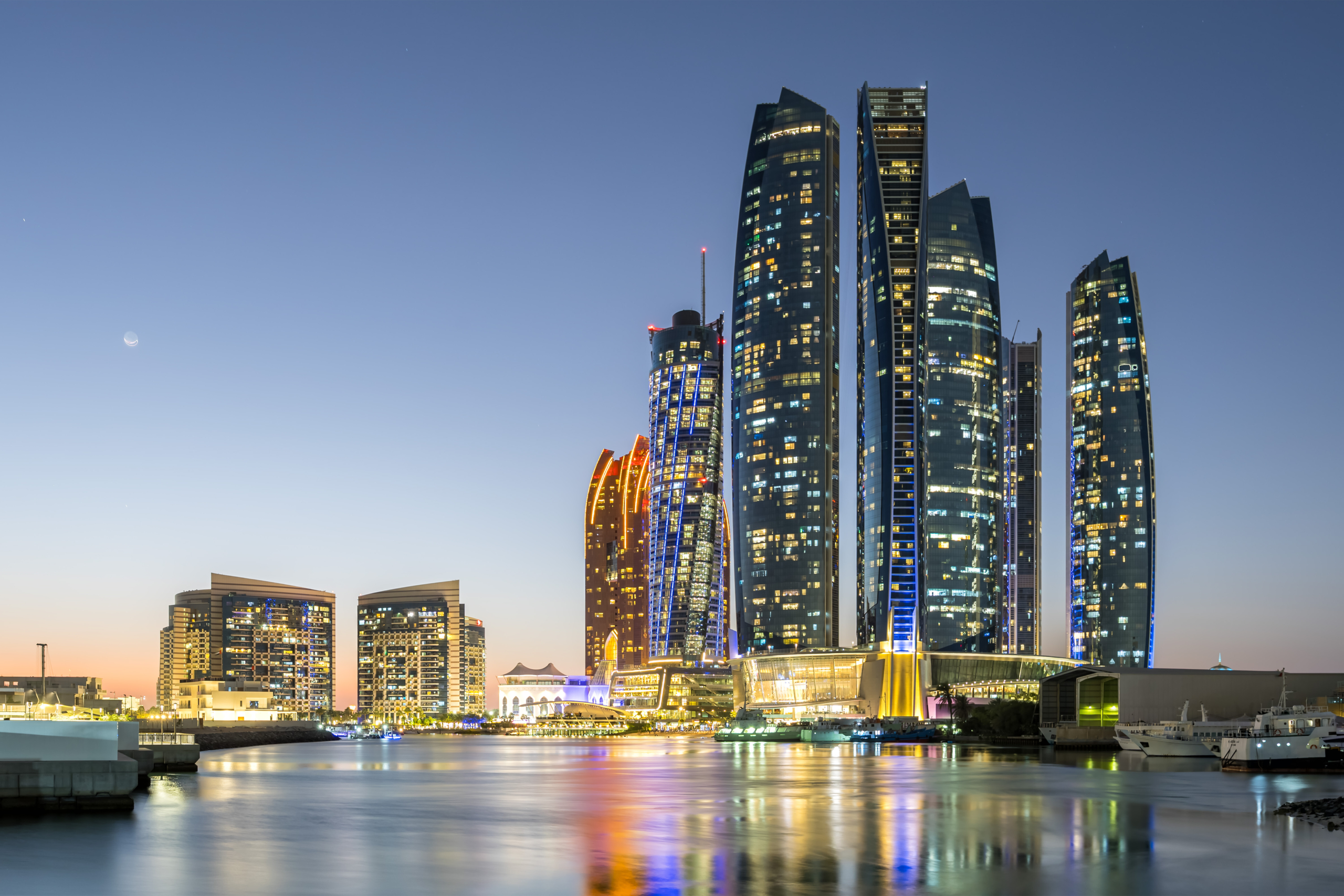
The UAE built its power by turning itself into a hub that binds it to every great power at once. The war with Iran has tested this strategy and is forcing a rethink in Abu Dhabi
Turkey is neither drifting away from the West nor is it coming home. It has become an embedded outsider: a middle power that has learned to build strategic autonomy from inside the Western system rather than by leaving it.
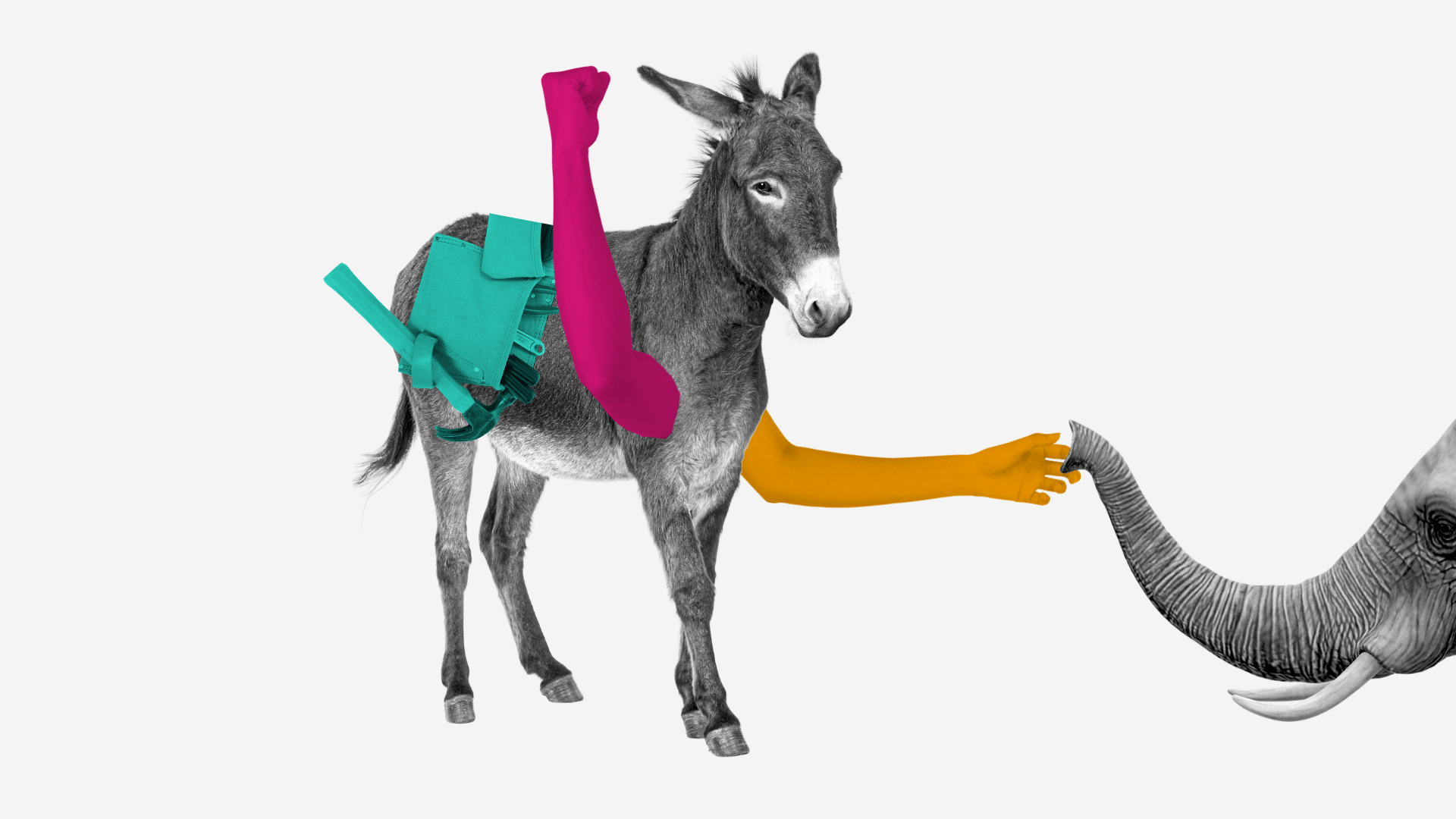
The race for US midterms reveals a rapidly changing Democratic party. Europeans must understand and engage its three camps well before the party could take power
New polling published by ECFR shows that Britons across the political divide favour banning trade with illegal Israeli settlements
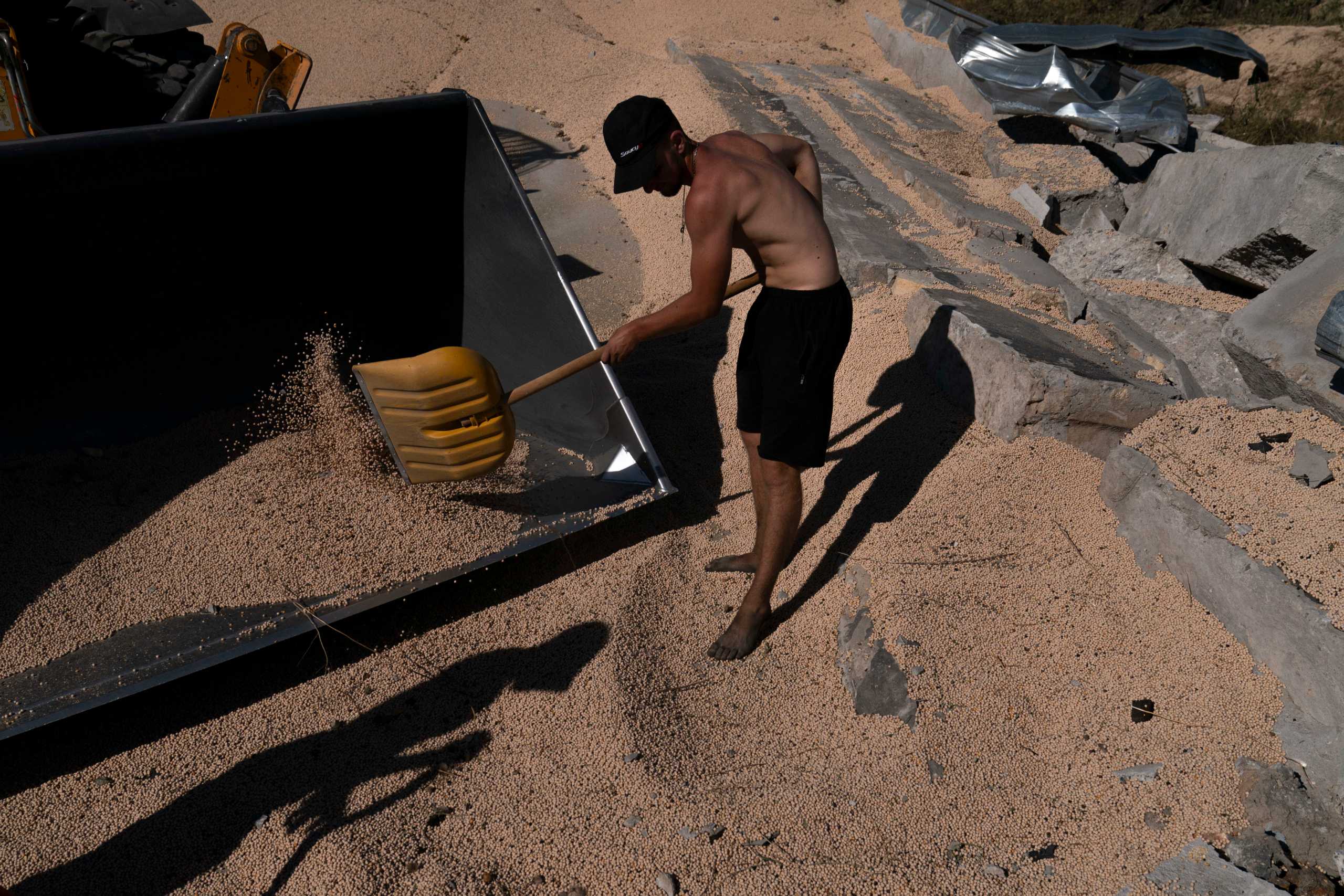
Three features of today’s unordered world are converging to create a devastating food crisis. Russia’s war in Ukraine is disrupting agricultural exports from both countries. The enduring blockage of the Strait of Hormuz is restricting fertiliser shipments. And this year’s El Niño (a sporadic warming of the Pacific Ocean generating widespread knock-on effects elsewhere) could […]
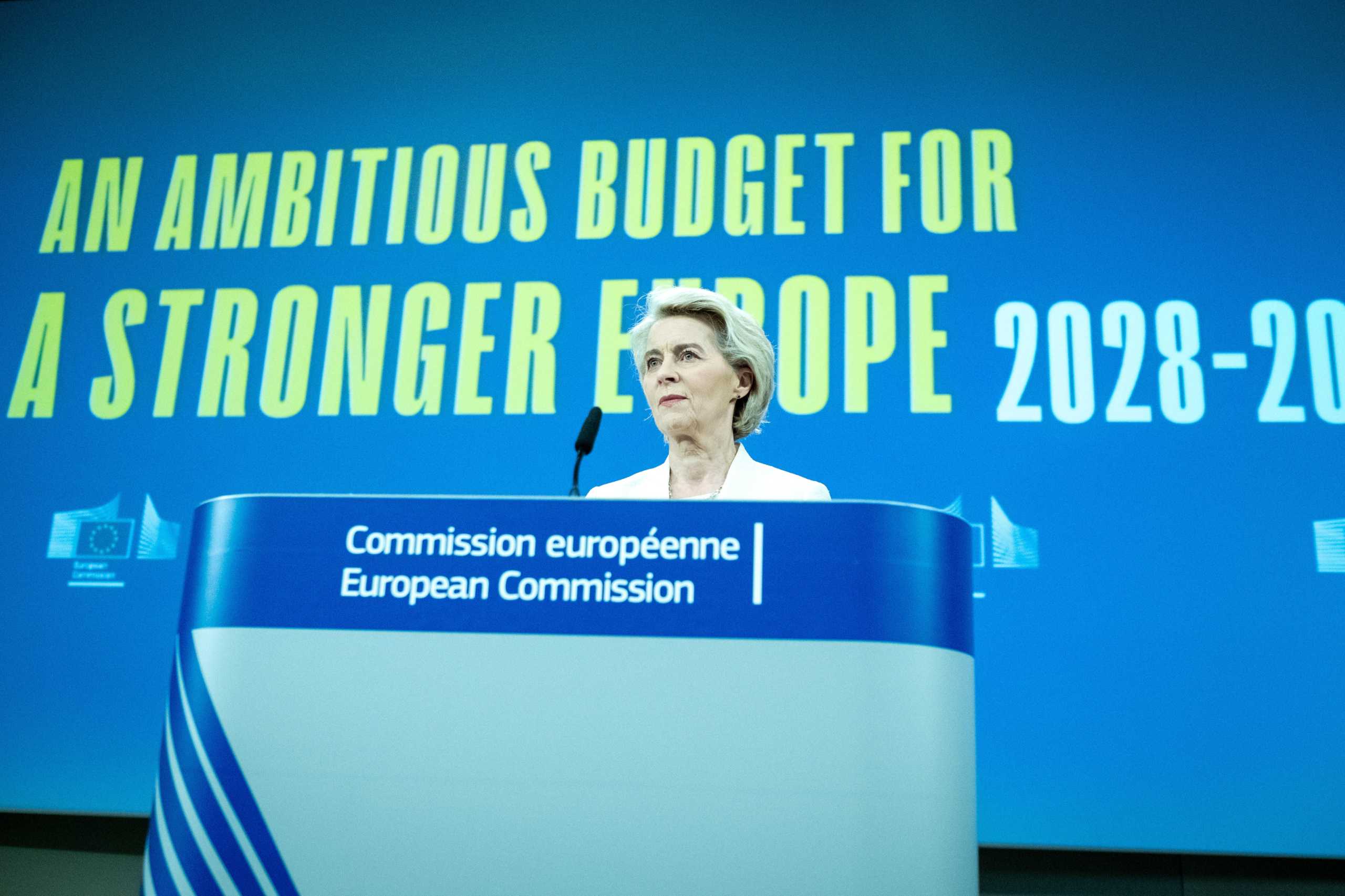
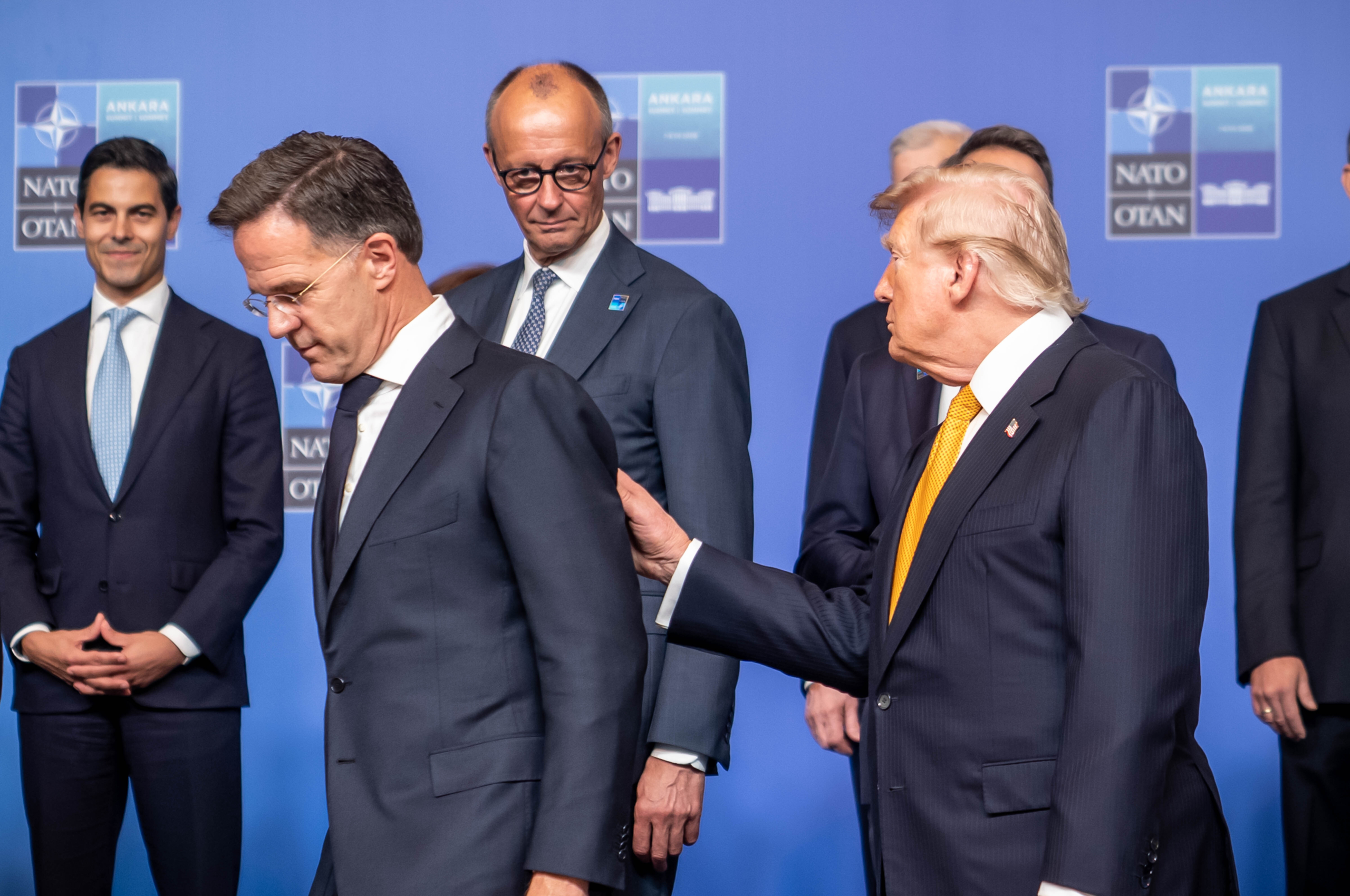
At July’s NATO summit in Ankara, European leaders accepted that they must carry more of their own defence. Turning that promise into money means winning a fight over the EU’s next seven-year budget, against coalitions that have defended farm and cohesion spending for decades
Anti-corruption sanctions—and even the prospect of them—under the next US administration will be crucial to chances of peace in many parts of the world. Here’s how Europeans can play their part
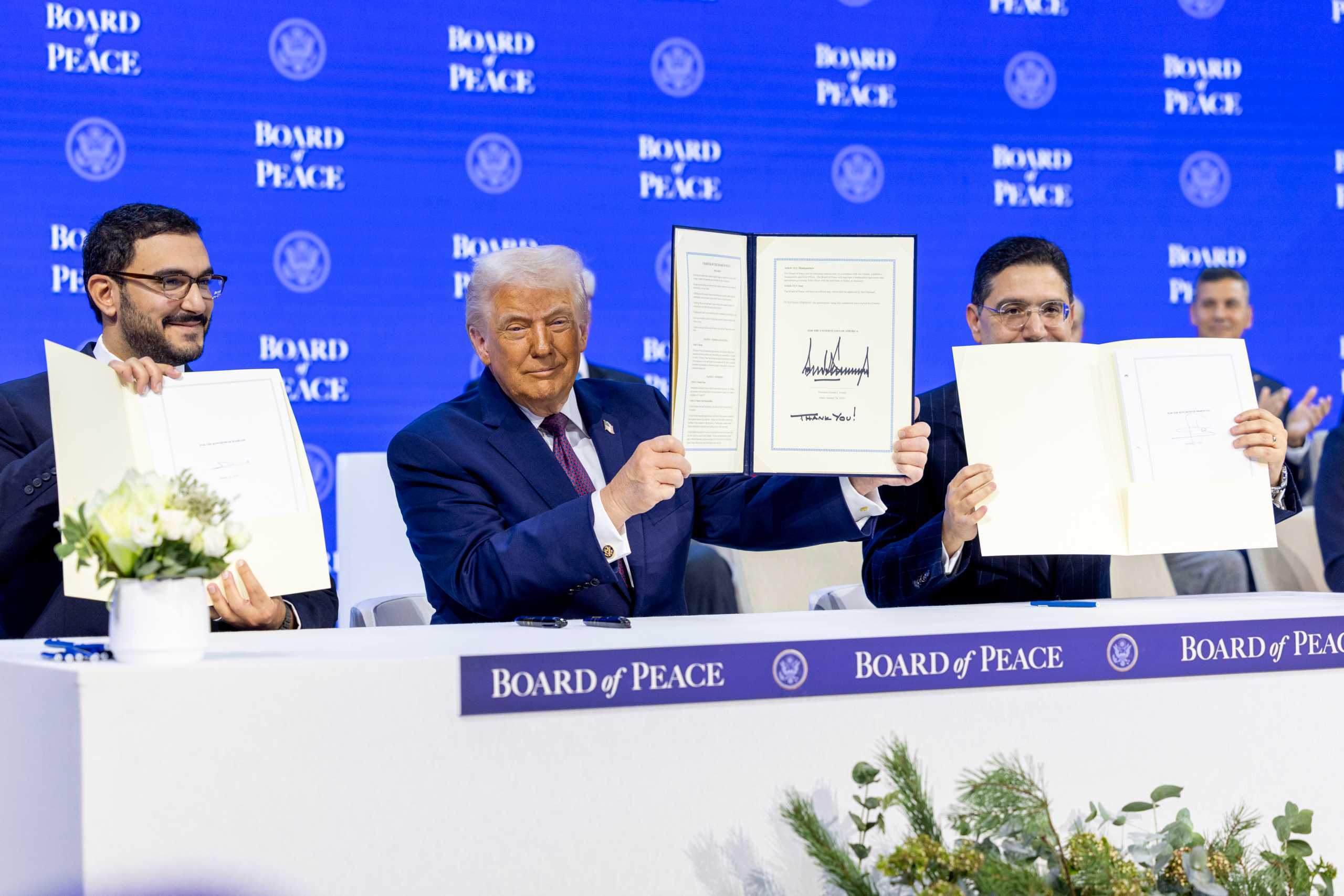
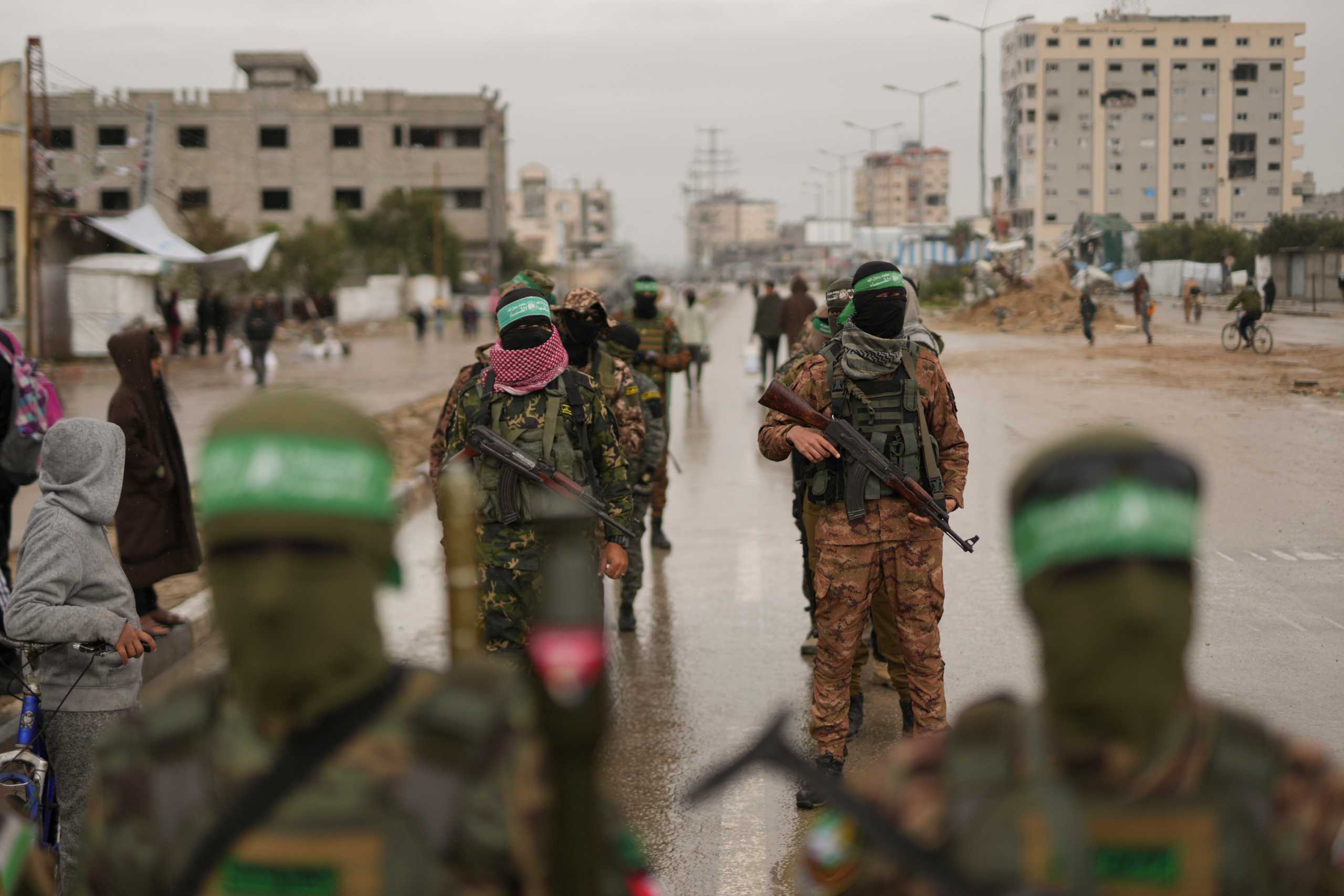
Despite all odds, there is now a realistic path towards ending the war in Gaza. Its success now depends on Israel. Europe could help tip the balance
As the Houthis attack Saudi ships and infrastructure, Riyadh faces an increasingly difficult choice: absorb the blows to stay out of the Iran war or retaliate and risk a dangerous escalation.
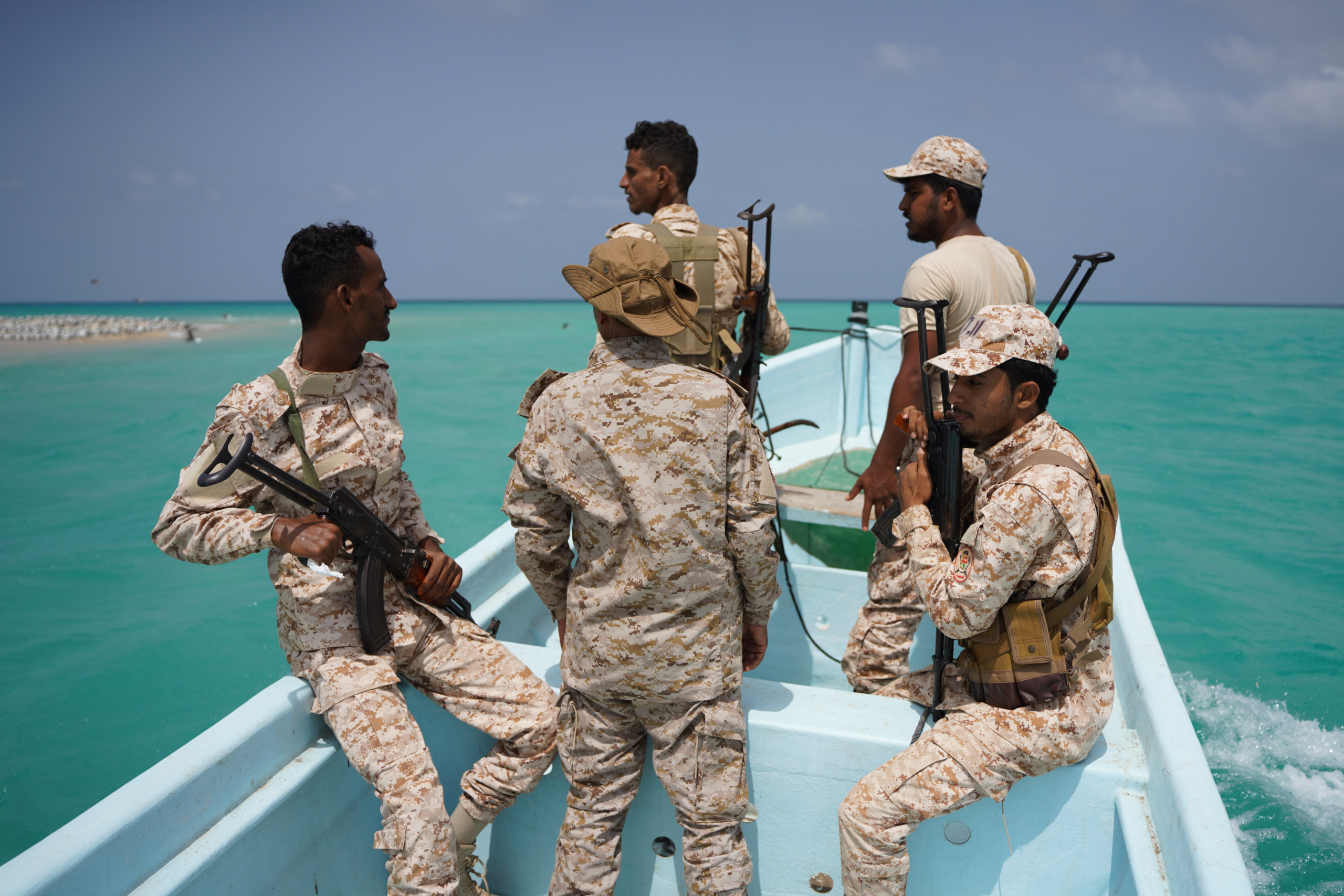
The Red Sea is becoming more dangerous, and not only because of the Houthis. Conflicts in the Horn of Africa are converging and drawing in external powers, creating new threats to a maritime corridor vital to global trade.
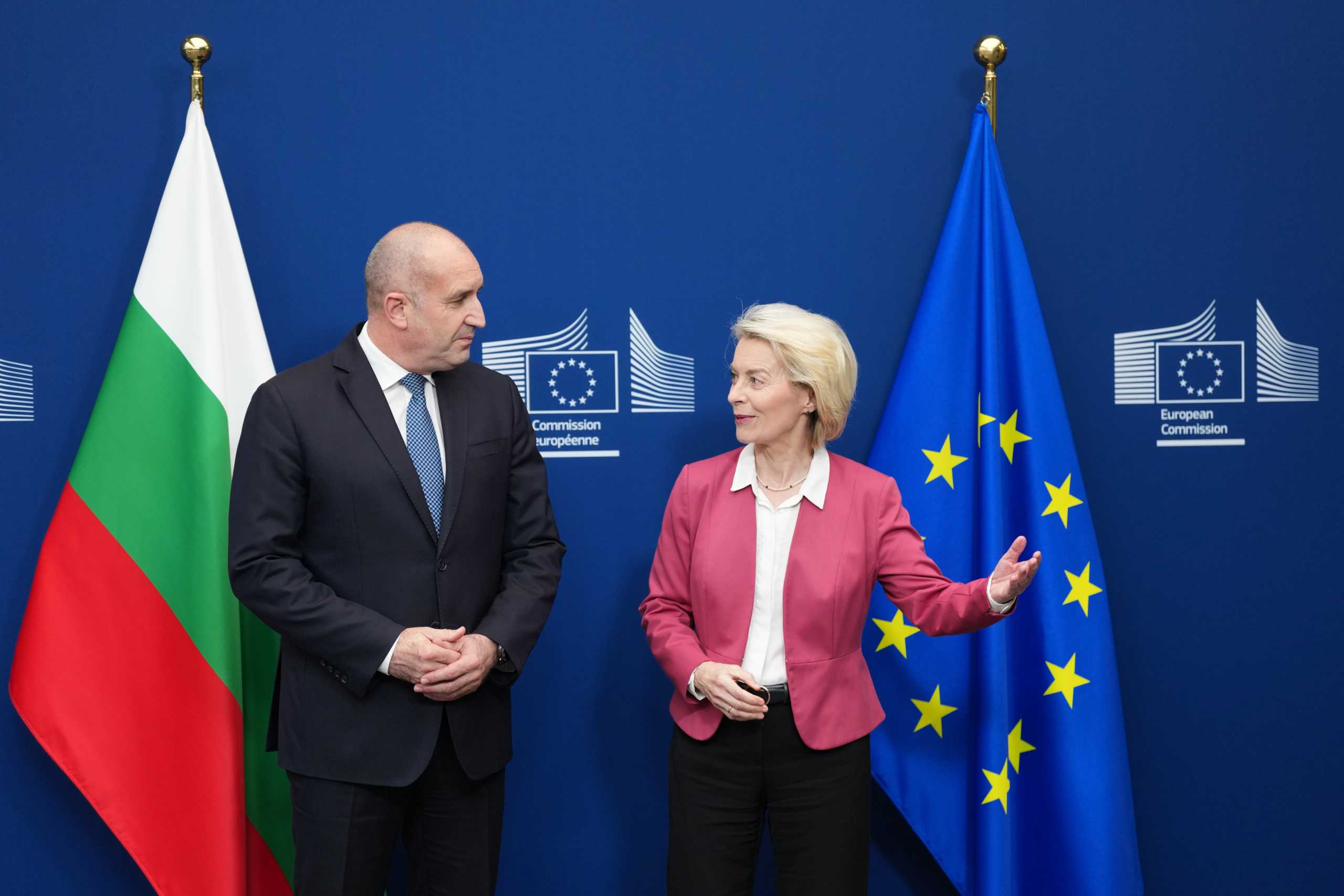
Rumen Radev is steering Bulgaria towards a more transactional foreign policy. The EU needs to engage with Sofia and push back on such hedging to secure future European cohesion
The war between the US and Iran is destabilising North African economies, putting an already fragile region at the very edge of polycrisis
It is high time the EU follow its own trade policy and ban trade of all goods and services from Israel’s illegal settlements in the West Bank
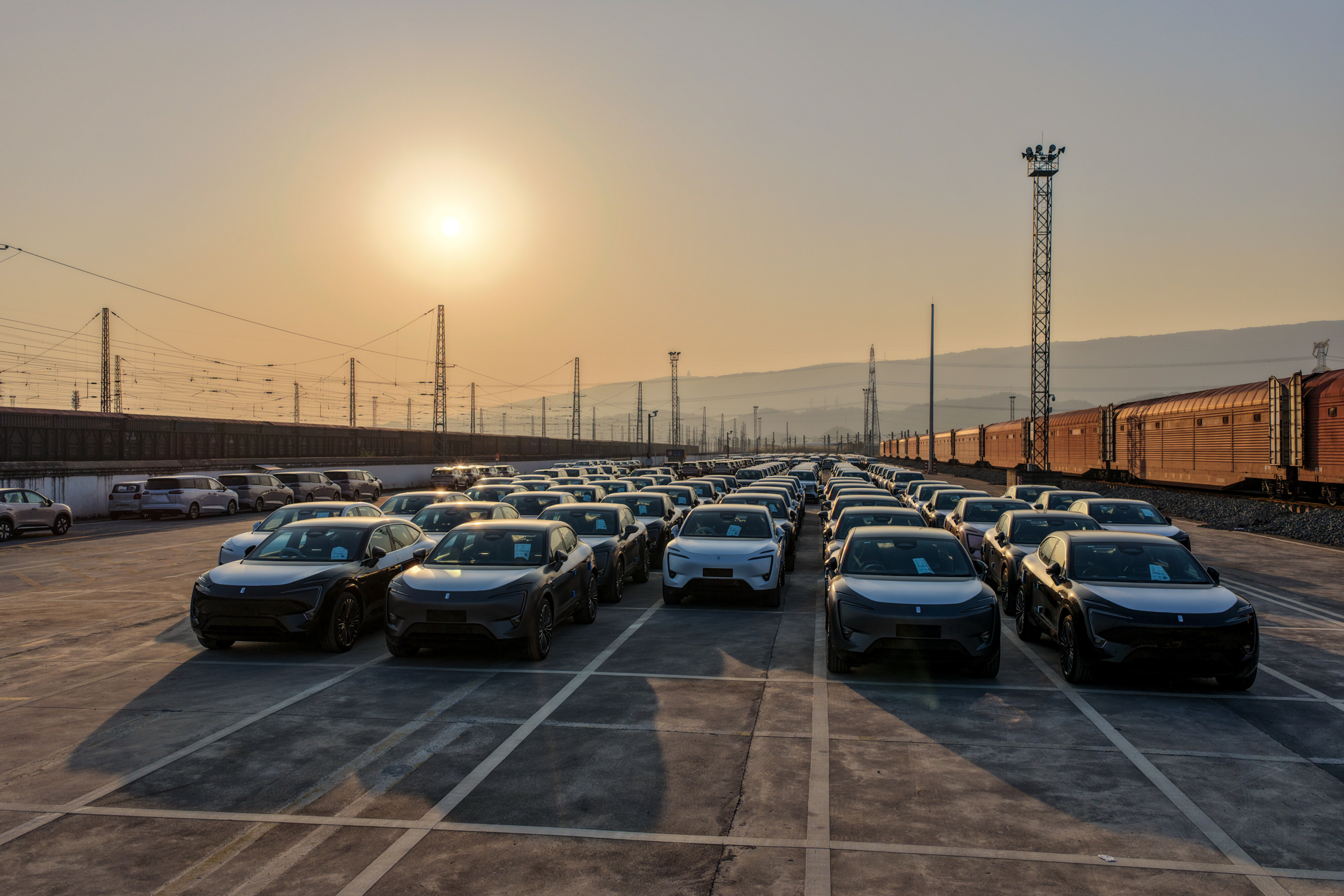
Chinese electric vehicle brands are adapting to Western trade barriers by increasing their presence in the Middle East and North Africa. Europe’s response must go beyond merely closing the loopholes
As American leadership wanes, middle powers are stitching a patchwork order through new approaches to conflict mediation, connectivity and development. Although these formats are fragmented and opportunistic, Europe should engage with them pragmatically.
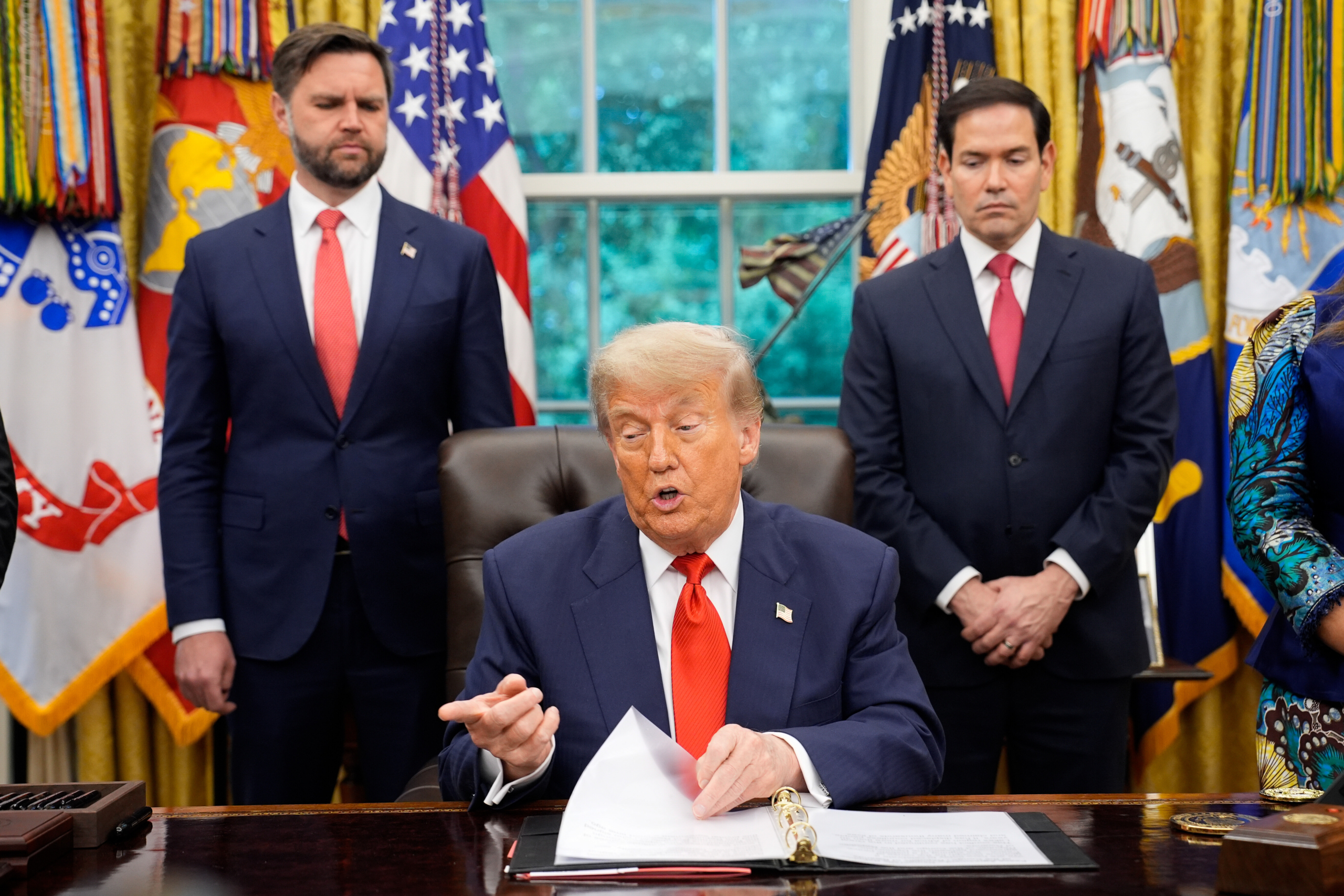
Trump’s foreign and security policy is the product of factional competition in the White House and a president fixated on short-term wins. Here’s how Europeans should come to terms with this new reality