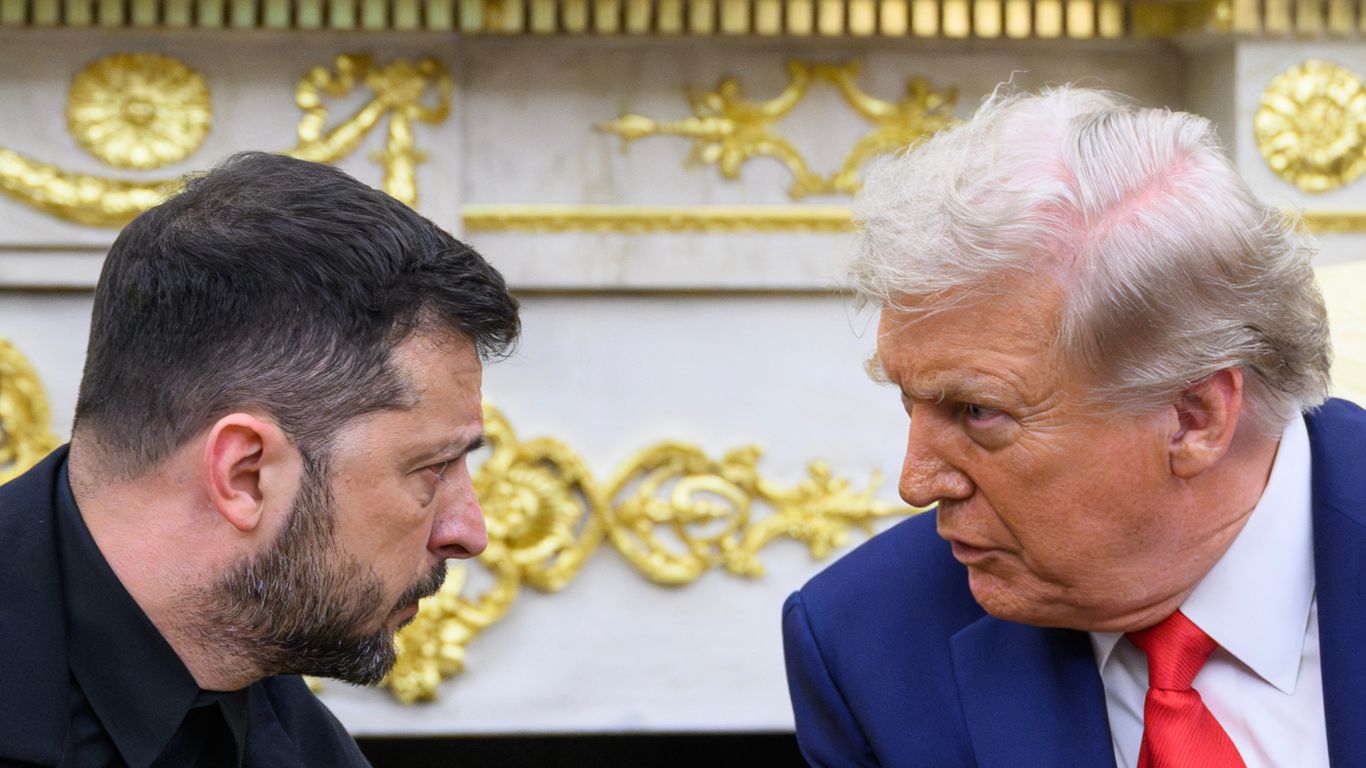
Trump’s diesel deal moves little fuel, but it could cost Ukraine its best lever against Moscow. The post Trump’s Diesel Deal Matters More to Moscow than the Market appeared first on Geopolitical Monitor .
Dr. Yunis GurbanovAll, Energy Sector, Russia Sanctions, Trump Foreign Policy, Ukraine War
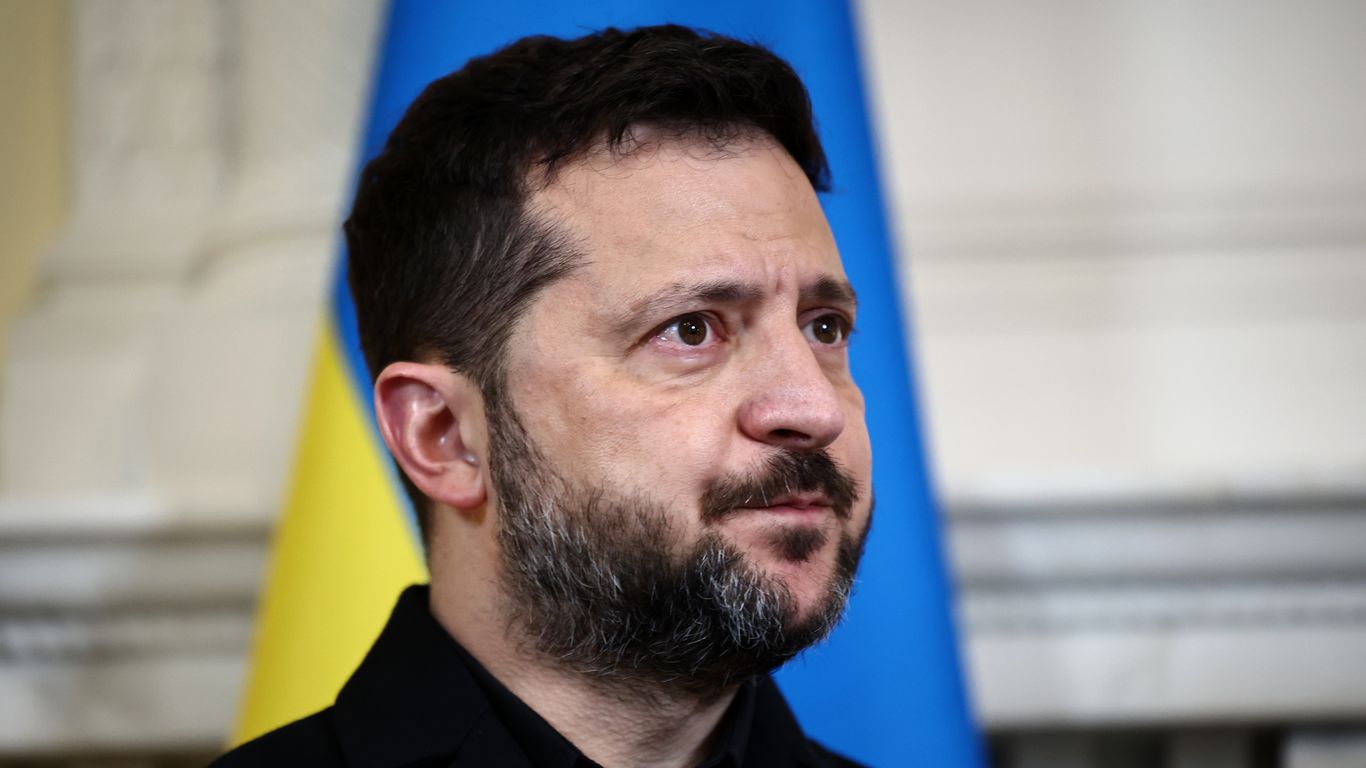
Ukraine's Starlink and Starshield satellite services — critical tools in its war against Russia that were unexpectedly throttled this week — have been restored to full capacity, a Ukrainian official tells Axios. The official also said that Ukraine conducted a strike overnight against a Russian oil refinery — defying President Trump's demand that it stop hitting those facilities. Why it matters: The twin developments further strained the U.S.-Ukraine relationship, as the war with Russia drags on and the Trump administration sided with Russian President Vladimir Putin last week by lifting sanctions on Russian oil sales. State of play: The move angered Ukraine. President Volodymyr Zelensky responded by calling it "a weak decision" and a "gift to Putin." Trump then called for Ukraine to elect a new president. The crisis intensified this week when Elon Musk's SpaceX restricted service of Starlink — a satellite service used for defensive purposes in battle — while Starshield, a tool used for offensive war operations that is controlled by the U.S. government, was also slowed. After more than a day, the services were restored. Ukraine, meanwhile, fired on a Russian oil refinery, which U.S. officials are unlikely to look kindly upon. The Ukrainian official said the country resumed strikes because Russia continued to hit Ukrainian energy infrastructure, despite Trump announcing that the two sides had agreed to a ceasefire. That declaration came as a surprise to Zelensky. The bottom line: It's still unclear to many inside the Trump administration and the Ukrainian government whether T
Chinese utilities are stripping European technology out of their critical infrastructure on security grounds, while Chinese suppliers are trying to expand across Europe. Closing that gap means treating Beijing’s own risk assessments as a guide to Europe’s vulnerabilities.
Angelika MarkowskaEuropean Power, China, European Union, Commentary, Janka Oertel
The conflict between Saudi Arabia and the Houthis has continued to ramp up, with each side trading tit-for-tat attacks, and further escalation in the coming days and weeks becoming more likely. Earlier this week, Saudi forces struck the Yemen Petroleum Company’s Sabaha fuel depot. The Houthis responded by attacking Saudi Aramco headquarters in Dhahran. The […] The post Houthi Escalation and What Happens Next in Yemen appeared first on The Soufan Center .
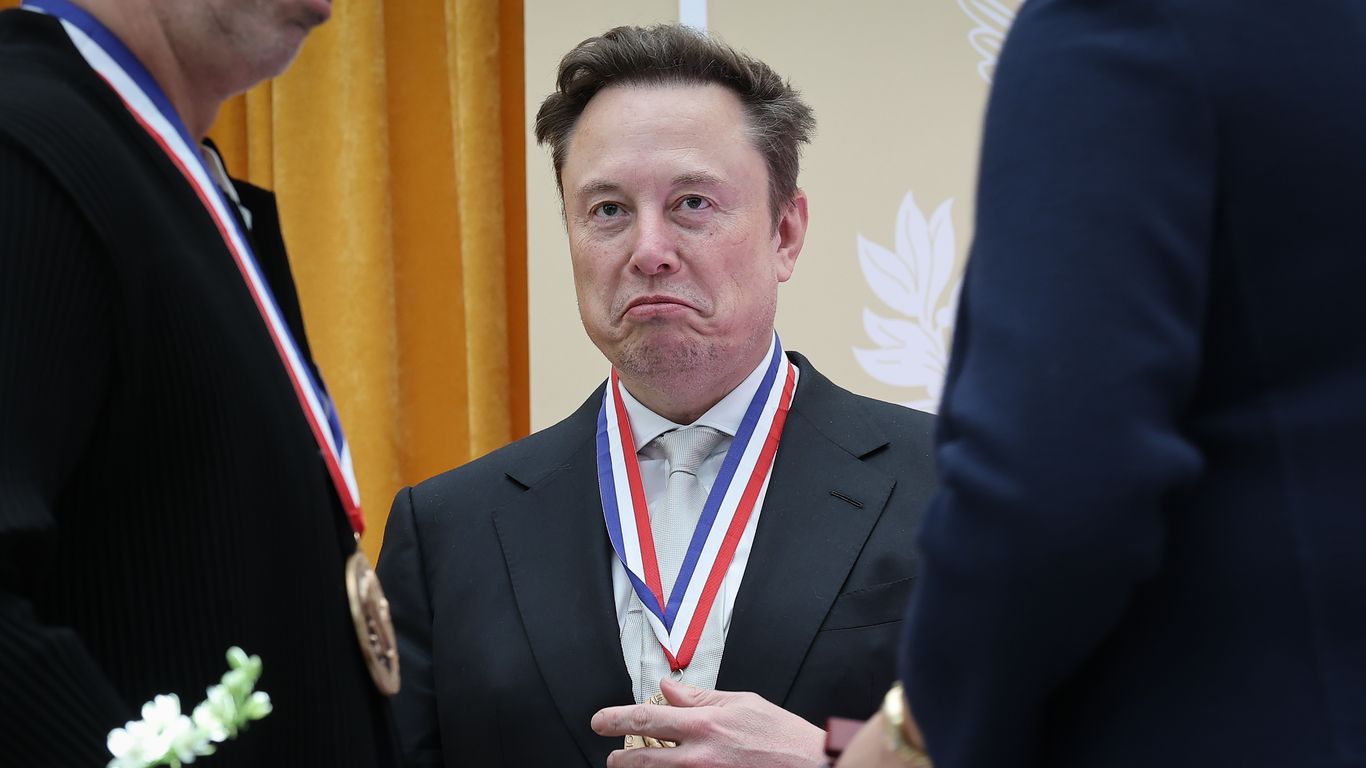
The rupture between President Trump and Ukrainian President Volodymyr Zelensky over last week's diesel deal deepened Wednesday after an Elon Musk -owned satellite system used by Ukraine unexpectedly restricted service — undercutting Ukraine's fight against Russia. Why it matters: The Ukrainian military uses SpaceX's Starlink satellite communications system to control and operate its reconnaissance and intercept drones. When it doesn't operate at full capacity, Ukraine's ability to gather intelligence, use interceptor drones and conduct long-range strikes against Russia is impeded. Service was partially restored on Wednesday, but Ukrainian officials were still searching for answers about why the service was throttled and who was responsible. The limitations came days after a new crisis erupted between the U.S. and Ukraine over Trump's agreement to lift sanctions on Russian oil sales. Zelensky criticized the move, then Trump called for Ukraine to elect a new president. A senior U.S. official said the Trump administration had nothing to do with the alleged Starlink service constraints. But Ukrainian officials remain suspicious. Driving the news: Ukrainian officials said SpaceX imposed the restrictions Tuesday night. The system turned off, they said, when a drone exceeded 160 kph. In some cases, it disconnected when the speed went over 80 kph. The Starlink restrictions came several hours after the Ukrainian military did not receive an early warning about a Russian ballistic missile attack. Ukrainian officials said the U.S. has provided such alerts over the last several years as
America's inflation problem is becoming harder to contain, with new evidence Wednesday that price pressures are extending beyond the war-related energy shock rattling the global economy . Why it matters: Inflation is squeezing household budgets and dimming hopes for relief. It is also increasing the prospect that the Fed will have to raise interest rates further. What they're saying: "Higher energy costs are beginning to seep into broader services prices, increasing the risk that this inflation burst will persist," Fitch Ratings economist Olu Sonola wrote in a note. The Consumer Price Index report "stands out as the first of the year in which price pressure appeared to be showing up in most corners of the consumption basket at once," Glenmede's Jason Pride wrote. By the numbers: The CPI rose 0.6% in September from the prior month, accelerating from August's 0.4% increase. The index increased 3.7% in the 12 months through September, compared with 3.4% in the prior month. Gasoline prices surged 9% in September, accounting for more than half of the monthly jump in consumer prices. Core prices, which exclude food and energy, advanced 0.3% for the second consecutive month. The annual rate accelerated to 2.6% from 2.4%. The intrigue: Over the past three months, core CPI has risen at a 3.4% annualized rate, up notably from 2% in August — a sign that underlying inflation pressures are strengthening. Inflation was stubborn in parts of the services economy that are less directly exposed to the energy price surge. Shelter costs accelerated last month, rising 0.4%, while used car price
After Trump’s Russian diesel deal, will Europe give Ukraine the support it needs? Expert comment jon.wallace 14 October 2026 The new row between Washington and Kyiv must not distract Europe’s leaders from the urgent matter at hand: how to sustain Ukraine’s economy through the winter. An intervention by President Donald Trump this week has once again created problems for Ukraine’s war effort. The president’s deal with Moscow, which could see millions of barrels of Russian diesel released to global markets, was condemned by Democrats and even some prominent Republicans in the US. Trump openly framed the deal as an effort to secure ‘Lower prices for Americans’ as midterm elections approach in November. It is uncertain that the deal will do much to swing votes back to the president’s party. But it has created another open dispute between Trump and President Volodymyr Zelenskyy – at precisely the moment when Ukraine needs renewed, focussed support from its allies. A mounting Russian assault Recent weeks have seen a noticeable shift in Russia’s war strategy. Some had expected Putin to order a new wave of mobilization and a renewed offensive in the Donbas. Instead, he has moved to intensify Russia’s ballistic missile and drone campaign, with the aim of breaking Ukraine’s economy. There has been a marked uptick in attacks on ports, grain storage and shipping, seemingly to block Ukrainian agricultural exports. Key bridges across the River Dnipro in Kyiv have been hit. So have railways across the country. And attacks have continued on Ukraine’s energy grid (despite the ‘ energy cease
Kyiv calls India’s truce plan the broadest of four on the table. Moscow says it covers only part of a settlement. The post India’s Bid to Broker an Energy and Black Sea Truce in Ukraine appeared first on Geopolitical Monitor .
Nikola MikovicAll, India Foreign Policy, Supply Chains, Ukraine War
The Yemen war is not just Saudi Arabia’s problem. It’s the Gulf’s too Expert comment thilton.drupal 14 October 2026 The renewed conflict in Yemen exposes the limits of Saudi Arabia’s military options and the vulnerabilities of the Gulf states. A unified Gulf Cooperation Council strategy on Yemen and a credible political settlement between Yemenis are needed. The Yemen conflict has escalated significantly in recent weeks. Houthi strikes on airports in Riyadh, Abha and Dammam have killed at least 20 people and injured hundreds. Saudi oil infrastructure has also been attacked. Within Yemen, renewed fighting following a Houthi offensive around the strategic Bab al-Mandab Strait has brought return to full-scale war. The escalation is an alarming reminder of the 2015 Saudi-led intervention in Yemen. This came after the Iran-backed Houthis seized the Yemeni capital Sanaa in September 2014 and ousted the internationally recognized government from power. More than a decade later, the Houthis remain entrenched and clearly emboldened, while Yemen’s government is fragmented. Prospects for a political settlement currently seem remote. Since the UN-brokered truce in April 2022, Saudi Arabia has sought to disengage militarily from Yemen and pursue a negotiated settlement with the Houthis. Talks gained momentum in 2023, but the Houthis’ involvement in the Gaza war, including attacks on Red Sea shipping and Israel, disrupted the political process. US president Donald Trump’s intensive bombing campaign against the Houthis led to a separate US-Houthi ceasefire in May 2025. But it did not adva
Data: Bureau of Labor Statistics ; Chart: Courtenay Brown/Axios U.S. inflation picked up in September as soaring energy prices added to already stubborn price pressures, the Labor Department said on Wednesday. Why it matters: The latest Consumer Price Index shows that the inflation fight is far from over — and makes further Federal Reserve interest rate hikes more likely as Americans struggle with higher costs. By the numbers: CPI rose 0.6% in September from the prior month, with the annual inflation rate at 3.7%, the government said. That compares with a 0.4% monthly increase and a 3.4% annual rate in August. Core prices, which exclude volatile food and energy costs, gained 0.3% on the month, compared with a similar monthly gain in August. In the 12 months through September, core CPI rose 2.6%, up from 2.4% the prior month. Zoom in: The latest figures capture the toll of the Middle East war on American consumers as disruptions to global energy supplies push up fuel prices. Gasoline prices spiked 9.1% in September after climbing 3.9% in August, when they accounted for more than a third of the monthly increase in consumer prices. Prices for shelter, one of the largest components of the index, increased 0.4%, compared with a 0.3% gain in August. Food prices were flat, compared with a slight 0.1% increase the previous month. Zoom out: The surge in fuel prices has prompted extraordinary measures from the Trump administration, particularly as soaring diesel costs threaten to push up prices for goods transported across the country . President Trump temporarily eased restrictions
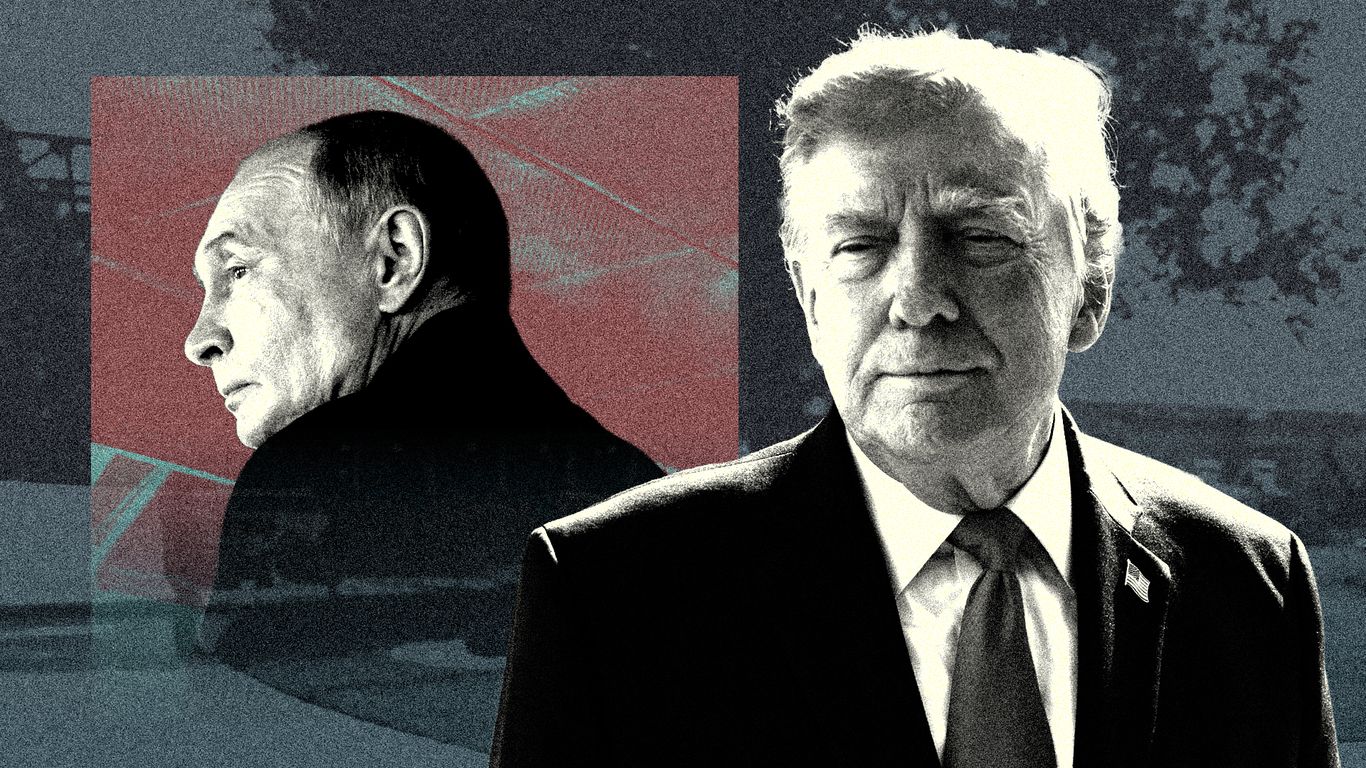
President Trump is indulging his fondness for Vladimir Putin at a moment of acute political peril, forcing Republicans in the midterms to take cover as he showers Moscow with one-sided concessions. Why it matters: With just three weeks until the election, Trump is rekindling a decade-long, scandal-scarred relationship with a dictator reviled by most Americans — including his own supporters. Driving the news: Since speaking with Putin on Friday, Trump has embarked on a remarkable five-day campaign of diplomatic concessions and cover for Russia — sparking bipartisan blowback just as voters prepare to cast their ballots. On Friday, Trump announced a deal to unleash millions of tons of Russian diesel onto global markets, easing sanctions designed to starve Moscow's war revenues. On Saturday, Trump lashed out at Ukrainian President Volodymyr Zelensky for striking Russian refineries and demanded that Kyiv replace its leader. On Sunday, Trump blindsided Zelensky by declaring an immediate "energy ceasefire." Russia has continued attacking Ukrainian energy infrastructure, with no apparent consequences from Washington. On Monday, Trump dismissed months of intelligence-based reports that Russia was enabling Iran's war effort by supplying information about U.S. military assets. On Tuesday, Trump doubled down on the diesel deal and brushed off concerns that the proceeds could finance Russia's war machine, even as GOP senators labeled it a "betrayal" and "a gift to our adversary." Between the lines: The benefits to Russia are clear. Far less apparent is what Trump's concessions accomplis
President Trump's deal to lift sanctions on Russia to increase diesel supplies "is a betrayal of the people of Ukraine" and "a gift to our adversary," a bipartisan coalition of senators wrote in a letter admonishing the agreement. Why it matters: The decision to turn to Vladimir Putin in an attempt to ease the diesel crunch is piling onto Republican headaches ahead of the midterms and fueling fresh friction between the U.S. and Ukraine. What they're saying: The deal "will not achieve just ends, nor will it benefit Americans," the senators warned, urging Trump to withdraw from it and ramp up the economic pressure on Russia as called for in a sanctions bill named for the late Sen. Lindsey Graham that he signed into law last month. While record-shattering diesel and gas prices are squeezing key industries and American households, the lawmakers argued that "allowing Russian-origin diesel into global markets will offer limited to no relief to Americans." Analysts have expressed doubt that the levels Trump pitched will meaningfully sway prices, Axios' Ben Geman reports . However, the lawmakers argued that it will "undoubtedly finance" Russia's war "and advance its security cooperation with China, Iran, and North Korea." The fine print: The signers are Sens. Richard Blumenthal (D-Conn.), Thom Tillis (R-NC), Jeanne Shaheen (D-NH), Susan Collins (R-Maine), Dick Durbin (D-Ill.), Alan Armstrong (R-Okla.), Sheldon Whitehouse (D-RI), Lisa Murkowski (R-Alaska), Jack Reed (D-RI), Chris Coons (D-Del.), Mitch McConnell (R-Ky.) and John Cornyn (R-Texas). The White House directed Axios to the
President Trump is turning to Vladimir Putin to help ease a global diesel crunch, setting up a clash between Washington's energy priorities and its efforts to pressure Russia over its invasion of Ukraine. Why it matters: The fuel shortage is among the most severe effects of the Iran war and Ukrainian strikes on Russian refineries. Average U.S. diesel prices remain far above $6 per gallon, adding to GOP headwinds in the midterm elections. Trump says his deal will help bring costs down. Catch up quick: Trump on Friday claimed an agreement to bring escalating Russian exports, and the Treasury Department waived sanctions to help enable it. A few things to watch... The campaign trail. So far a few Republicans in close races — including Michigan Senate candidate Mike Rogers and Alaska Sen. Dan Sullivan — have criticized the agreement. Republicans already saddled with Trump's unpopular policies in the midterms now face another awkward choice: whether to back his diesel deal with a dictator many of them despise, Axios' Andrew Pantazi writes. The market. Diesel futures dipped after the announcement. But analysts expressed doubt that the levels Trump is claiming will meaningfully sway prices in the U.S. and elsewhere — if Russia indeed delivers. Per Trump's claim, Russia will "immediately" provide what amounts to 2.24 million barrels, followed 3.73 million next month (equivalent to around 124,000 barrels per day spread over a month), and then roughly double it thereafter. "In the near-term, it's hard to see the waiver helping global fundamentals for diesel much," writes economics and
Without a ceasefire with Ukraine on attacking each other’s energy infrastructure—to which the Kremlin is unlikely to agree—the diesel agreement between Putin and Trump is largely for show, rather than representing a genuine increase in the volumes of Russian diesel on the global market.
Republicans already saddled with Trump's unpopular policies in the midterms now face another awkward choice: whether to back his diesel deal with a dictator many of them despise. Why it matters: The agreement President Trump struck with Russian President Vladimir Putin Friday is designed to ease the cost of living for U.S. consumers. But Republicans who pleaded for help with fuel prices now face a fresh dispute over Russia, with energy analysts questioning whether the deal will deliver the relief Trump is promising. The big picture: With three weeks until Election Day, Republicans are trying to answer voter anger while keeping up with a president whose proposed fixes keep becoming political liabilities of their own. Trump's decision to lock arms with Putin adds another complication. Driving the news: Weeks after signing a sweeping Russia sanctions law, Trump announced Friday that Russia would supply diesel to U.S. and global markets. The next day, Trump blamed Ukraine for soaring diesel prices and called for President Volodymyr Zelensky to be replaced, even as Russia continued attacking Ukrainian cities. Republicans who just supported squeezing Moscow have three options in the final sprint for control of Congress: defend Trump's reversal, break with him or stay quiet. Zoom out: The diesel deal packs some of the GOP's biggest liabilities into one decision: the Iran war's economic fallout, the party's split over Russia and a president determined to make the election about himself. The deal also reverses Trump's own pressure campaign. Last year, he slapped an extra 25% tariff
Four CFR experts explain why Treasury’s market interventions haven’t lowered bond yields, how the sell-off is spreading abroad, and how AI spending and higher oil prices are affecting the bond market.
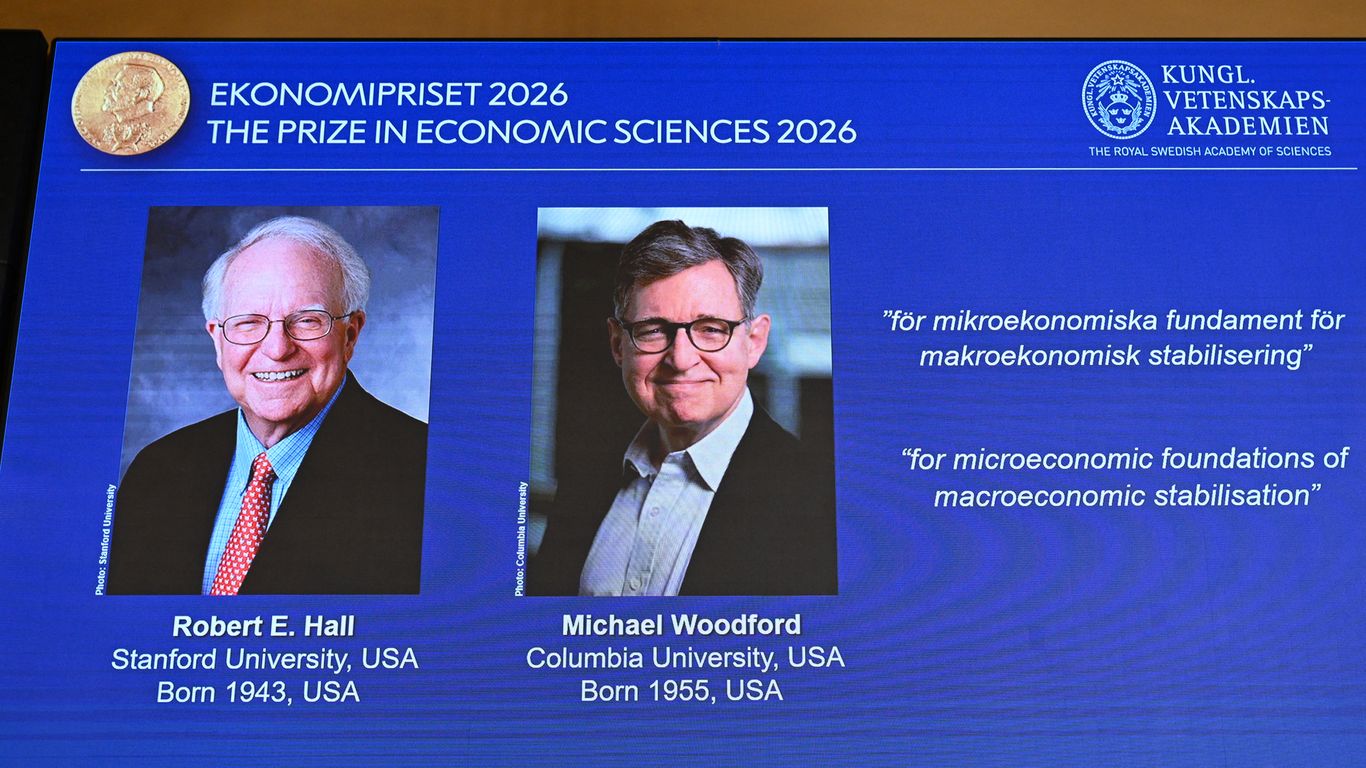
Stanford University's Robert E. Hall and Columbia University's Michael Woodford won the Nobel Prize in economics for research on how policymakers can stabilize economies , the Royal Swedish Academy of Sciences said on Monday. Why it matters: Their work helped shape how central banks set interest rates and communicate policy. The win comes as those institutions fight energy-driven inflation and risks to economic growth. Zoom out: For decades, policymakers relied on economic models that linked higher inflation with lower unemployment. But that framework broke down during the 1970s stagflation when both prices and joblessness surged at the same time. "The solution by Robert Hall and Michael Woodford was to build a new framework ground up," Timo Boppart, a member of the Nobel economics prize committee, said on Monday. What they're saying: Woodford, who called into Monday's press conference hosted by the committee, said he was "elated" by the win. " It's a tremendous honor. It's a surprise — but I'm feeling very good about it," Woodford said. The intrigue : Asked by a reporter about the threat to the global economy, Woodford said the Middle East conflict has disrupted energy markets and driven price changes with consequences far beyond the region. He pointed to the 2008 financial crisis as a key test of his research, when central banks cut interest rates to near zero but struggled to revive economic activity. His framework helped explain how other tools, including forward guidance and asset purchases, could support the economy. Zoom in: In research culminating in a landmark 2003
A September advance by the Iran-backed Houthi movement (Ansarallah) down the Red Sea coast has expanded the Yemen conflict, drawing several outside actors into the fighting. The Houthi seizure of territory astride the key Bab el-Mandeb Strait, through which nearly 10 percent of global trade passes, elevated the global significance of the Yemen conflict. The […] The post Outside Powers Respond to Instability in the Red Sea appeared first on The Soufan Center .
President Trump's announcement Sunday about an "energy ceasefire" between Russia and Ukraine referred to a potential deal that includes each side stopping attacks on oil refineries — and he expects Volodymyr Zelensky to abide by it, a White House official said. The official said if attacks on oil refineries cease, a deal to stop hitting power plants and energy grids could come next. Why it matters: Trump appears to be singlehandedly trying to will a partial ceasefire into existence. But for now Russia hasn't accepted any kind of ceasefire — and Ukraine wants one that forbids attacks on power plants. Reality check: The "refinery for refinery" proposal, as the official dubbed it, is lopsided. A Ukrainian official told Axios that the country has a single oil refinery which the Russians have attacked multiple times and isn't fully functional. Russia, by contrast, has a vast network of refineries. "We import diesel and gas. What we need is for the Russians to stop attacking our electricity grid," the Ukrainian official said. "The Russians are thinking about" it, the White House official said. "We will know soon if they are ready." Case in point: Hours after Trump's announcement, Russia conducted strikes on power plants in Ukraine, according to Ukrainian media. What he said: Trump's Truth Social post sounded at first like a major breakthrough. "Effective immediately, there is an ENERGY CEASEFIRE in the War between Russia and Ukraine. Both parties have agreed. Do not break it!" he wrote. It appears much more tenuous than that. Zelensky said the announced ceasefire "was news for me