Carnegie EndowmentArticle
A Celebration or Funeral in Iraq?
As the U.S.-led Coalition withdraws, the Kurds’ reliance on Baghdad, and on themselves, will only increase.
Thu, 15 Oct 2026
As the U.S.-led Coalition withdraws, the Kurds’ reliance on Baghdad, and on themselves, will only increase.
In August 2009, my Ranger platoon was twenty hours into a twenty-seven-hour firefight in the Khowst mountains of Afghanistan. Three platoons inserted onto a high ridgeline in darkness, hunting enemy […]
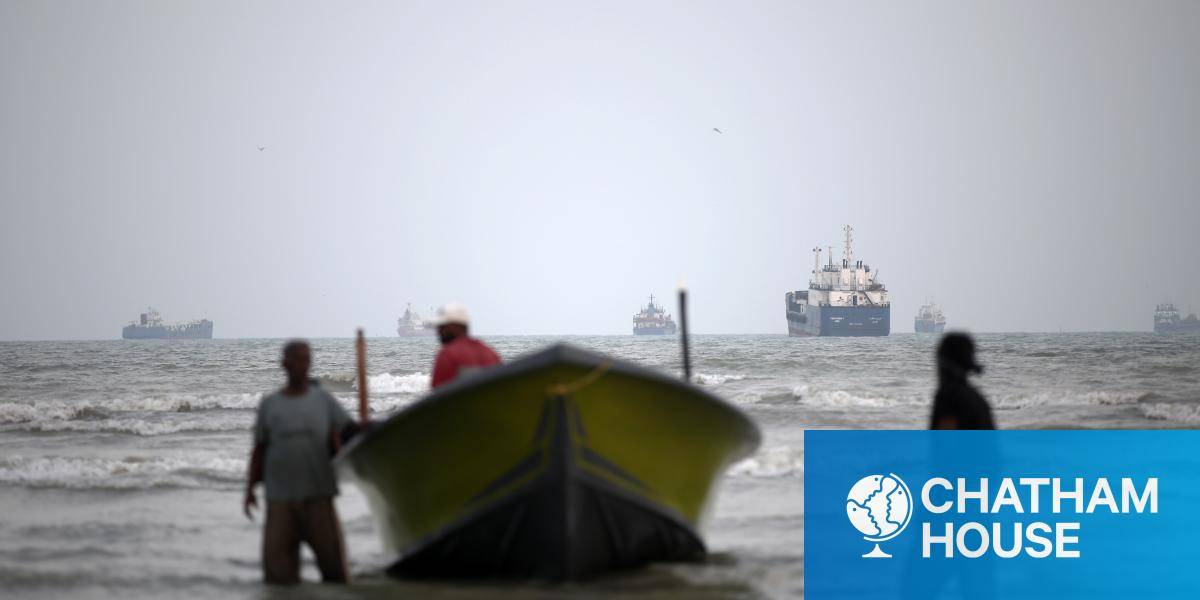
Why the Houthis’ Red Sea power play makes Iran even stronger Audio sseth.drupal@c… 2 October 2026 On this week’s episode of Independent Thinking, our experts discuss what Houthi control of the Bab al-Mandab strait means for the wider region. The Iranian-backed Houthi rebels’ capture of Yemen’s port city of Mocha means that Iran now effectively controls two crucial waterways in the region – the Bab al-Mandab Strait to the Red Sea and thus the Suez Canal, as well as the Hormuz Strait. Why has this simmering conflict exploded again? What do Iran and the Houthis want? How serious is this potential blockade for world trade and energy supply? And could the Houthis become a regional power, in economic terms even more powerful than Iran? Bronwen Maddox is joined by director of Chatham House’s Middle East and North Africa Programme, Dr Sanam Vakil; Horn of Africa specialist Ahmed Soliman; and Yemen and Gulf specialist, Farea Al-Muslimi, who joins us from Jordan. Read the latest related work from Chatham House here: Expert Comment: New energy and trade routes could bypass Hormuz and change the Middle East. But major challenges remain The World Today article: Farea al-Muslimi: ‘I wrote my own death statement 5 times’ Expert Comment: Escaping the Hormuz trap: What should an agreement to reopen the Strait look like?
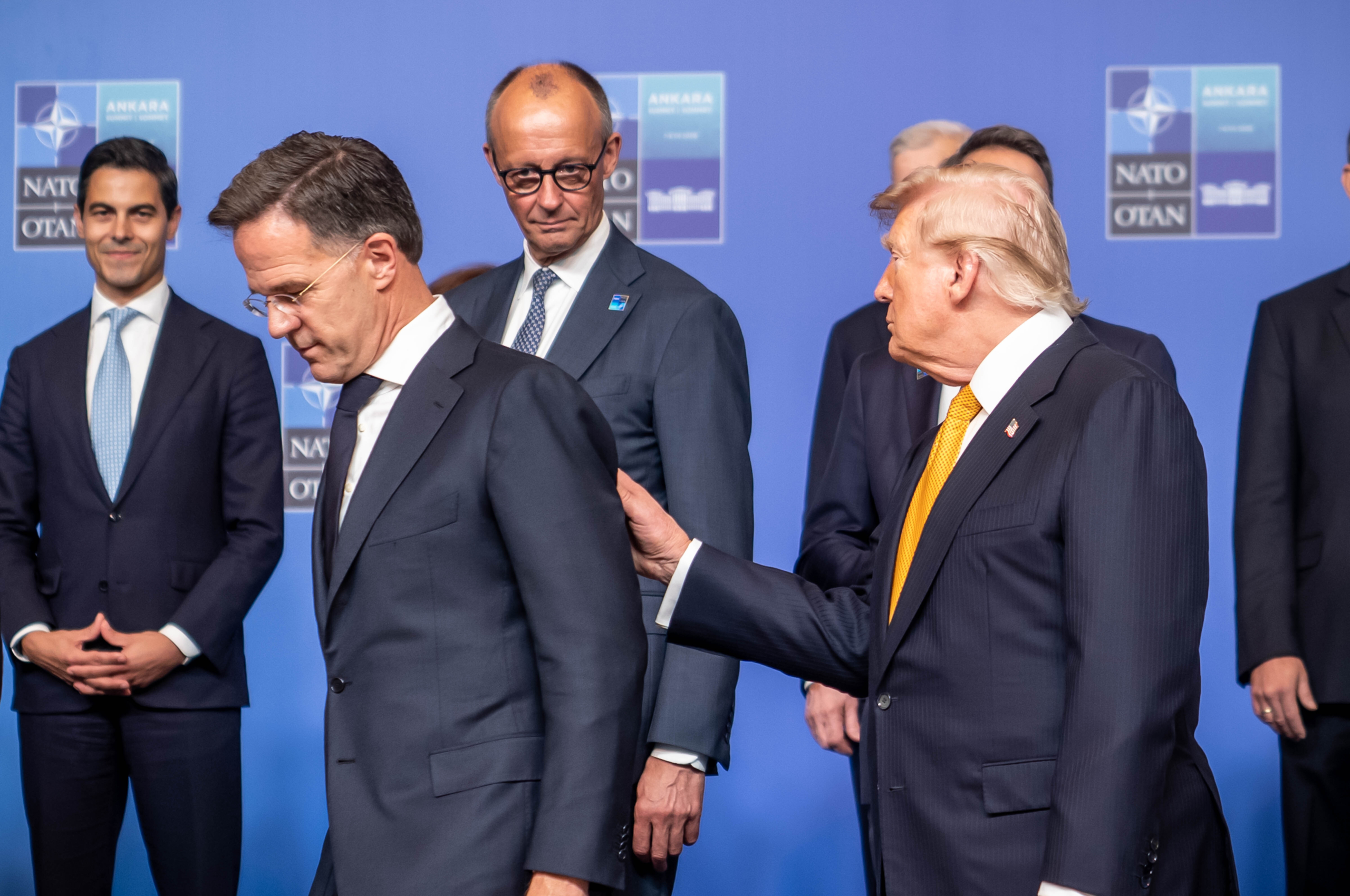
Factional struggles around the US president have left Europe at the mercy of competing foreign policy agendas. But European disunity only undermines European interests
In American slang, “in a stew” means to be in a difficult situation. Italians say pasticciaccio — a baked pasta dish — to describe an awful mess. Israelis prepare shakshuka, a delicious North African stew, but it can also mean a chaotic situation. The current situation in the Gulf is a shakshuka — a complicated […] The post A Shakshuka in the Gulf: U.S. Options in the Iran War appeared first on The Soufan Center .
Oil, gas and fuel prices are central to the U.S.-Israeli war with Iran, with Washington striving to lower them and Tehran to keep them high. With both sides determined to prevail, five market-shaping developments in particular could affect whether fighting ramps up or de-escalates.
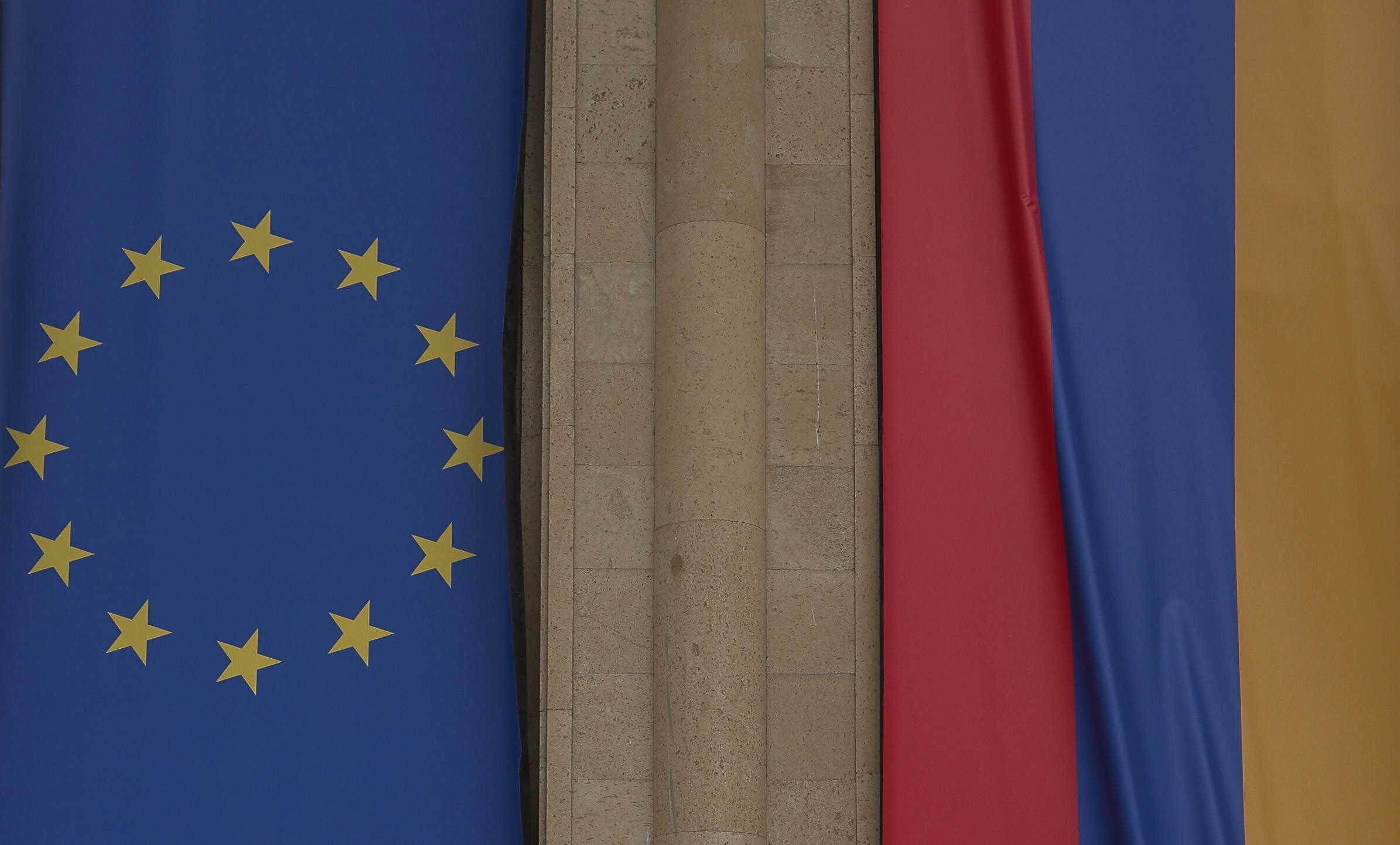
To reduce its dependency on Russia, Armenia is diversifying its foreign policy. Until peace with Azerbaijan is secured, Europeans need to provide Yerevan with extra support
Earlier this week, several viral social media posts and news articles stated that Google had updated satellite imagery over Gaza. The imagery shared in these posts and articles shows several areas, including the southern city of Rafah. Huge destruction is detailed in the images, including what appears to be entire neighbourhoods flattened But the imagery […] The post Viral Google Maps Images Shared Widely This Week Show Gaza Ruins. We Obtained More Recent Satellite Imagery appeared first on bellingcat .
A week of high-level diplomacy on the sidelines of the UN General Assembly (UNGA), including the first U.S.-Iran meeting since June, failed to alter the strategic dynamics of the conflict. U.S. President Donald Trump rejected an Iranian proposal to fully open the Strait of Hormuz within seven days, contingent on the lifting of the U.S. […] The post Dueling Perceptions Cloud Resolution of the U.S.-Iran Conflict appeared first on The Soufan Center .
Trump, midterms and the Middle East: What comes next? 13 October 2026 — 16:00 TO 17:00 BST Anonymous (not verified) 30 September 2026 Online As the midterms approach, hear from a panel of experts on how domestic politics are shaping US policy in the Middle East. As the midterms approach, hear from leading policymakers and analysts on how domestic politics are shaping US policy in the Middle East. The Trump administration enters the midterm election season facing major challenges across the Middle East, from regional conflicts and great-power competition to questions over the future of US engagement. Domestic political pressures are increasingly shaping policy choices. These dynamics will have significant implications for America’s role in the region and its relationships with allies and adversaries. This event discusses: How are the midterm elections shaping US policy in the Middle East? What are President Trump’s main regional priorities? How could developments in the Middle East affect domestic politics in the United States? What role do Iran, Israel and the Gulf states play in Washington’s current strategy? How might US policy evolve after the elections? What do current trends mean for the future of US engagement in the region?
Cargo traffic through Russia’s Northern Sea Route has increased because of the disruption caused by the conflict in the Middle East, the Ukraine war, and U.S.-China tensions.
Escaping the Hormuz trap: What should an agreement to reopen the Strait look like? Expert comment jon.wallace 30 September 2026 A detailed, reciprocal, and verifiable process is essential to ensure that any agreement holds. The war between the United States and Iran has entered an uncertain phase between escalation and diplomacy. At the UN General Assembly, Iran offered a proposal to reopen the Strait of Hormuz and resume nuclear talks – if various conditions were met. That has apparently been rejected by President Donald Trump. Subsequent reports claimed the president was considering new strikes on Iran. Meanwhile, attacks on ships from the Iran-backed Houthis have extended the conflict into the Red Sea. Given the scope of disagreement between Washington and Tehran, and the global impact of the Strait’s prolonged closure, any settlement will likely need to begin with an unwinding of the Hormuz situation. Can that be achieved? It is possible. But a successful agreement on Hormuz requires above all a technically precise, reciprocal, and verifiable process that focuses on restoring freedom of navigation. It is unlikely to be effectively addressed through another vague Memorandum of Understanding (MOU), or as part of a wider grand bargain. Status of the Strait Tehran has enforced its declared ‘closure’ of the Strait of Hormuz by demanding that ships transit through Iranian waters, charging tolls, and striking vessels it claims have violated its policies. This has resulted in 85 maritime incidents and 24 seafarer deaths reported across the Gulf region. The US has responded by i
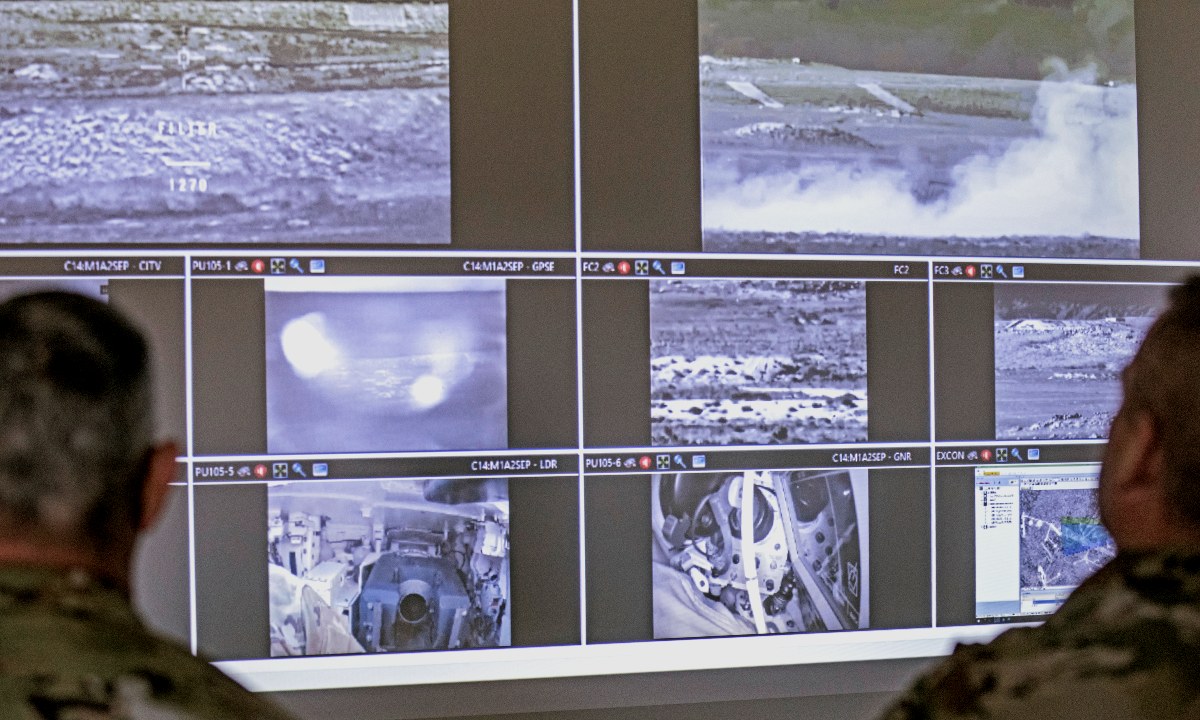
The coming withdrawal of U.S.-led coalition forces marks a significant moment in Iraq’s tumultuous recent history. Yet with the Middle East war bringing conflict to the country and questions surrounding the state’s capacity to assert its authority, the significance is mainly symbolic.
يمثل الانسحاب الوشيك لقوات التحالف الذي تقوده الولايات المتحدة لحظة مهمة في تاريخ العراق الحديث المضطرب. لكن مع جرّ حرب الشرق الأوسط البلاد إلى الصراع والأسئلة المحيطة بقدرة الدولة على فرض سلطتها، فإن هذه الأهمية لا تعدو كونها رمزية.
What are financial markets telling us? 7 October 2026 — 18:00 TO 19:00 BST Anonymous (not verified) 29 September 2026 Chatham House and Online Learn how geopolitics, inflation, AI and fiscal policy are converging to reshape borrowing costs. Learn how geopolitics, inflation, AI and fiscal policy are converging to reshape borrowing costs. Global bond yields have risen sharply this year thanks to a variety of forces, including war-fuelled inflation, AI-driven growth, loose fiscal policy and geopolitical risk. Recent interventions have struggled to contain market pressure, sharpening questions about where we may be headed. Is a new financial crisis possible? This event discusses: What are rising yields signalling about inflation, global growth and government debt burdens? Why have recent interventions struggled to contain pressure in bond markets? How is conflict in the Middle East affecting inflation expectations and borrowing costs? What does AI-driven economic activity mean for interest rates and asset prices? How are loose fiscal policies changing sovereign debt risks? Could weaker demand for AI compute trigger a wider market correction?
On Sunday, five British nationals from London were arrested for their involvement in an alleged plot against the Royal Air Force (RAF) Fairford Base located on the border between Gloucestershire and Wiltshire. The suspects were spotted in hoods and masks operating three white vans — at least one falsely branded with a British fuel company […] The post A Potential Terrorist Plot Against a British Airbase Shows the Continued Threat of Hybrid Warfare appeared first on The Soufan Center .